
culture
Som Tam, Larb, and Gaeng Som: A Thai Food Guide
A guide to som tam, larb, and gaeng som, with a focus on the chilies, herbs, and sour ingredients in each preparation.

Share this
Pass it around
Send this page to a friend, copy the link, or save it to a Pinterest board.

Save for later
Pin this page
Save the image with a link back to this recipe, review, or article.
Som Tam, Larb, and Gaeng Som: A Thai Food Guide
Thai cooking treats chilies as one seasoning among several, not the main event. Rather than maximizing heat alone, many dishes layer chili with sour, salty, sweet, and herbal elements so the spice has context rather than standing alone.
These dishes are adaptations you'll find at many Thai restaurants and home tables, prepared with real chili presence rather than diluted for unfamiliar palates.
Som Tam: The Salad That Bites Back
Don't let som tam fool you with its innocent looks. Those delicate ribbons of green papaya hide a serious kick, thanks to Thai bird's eye chilies pounded in a mortar until they coat every strand.
This is heat with manners. The chilies mix with fish sauce, lime juice, palm sugar, and crushed peanuts in a way that touches every part of the dish. The papaya stays crisp and slightly bitter, giving those bold flavors something to cling to without getting lost.
The heat builds as you eat: early bites feel manageable, but it adds up quickly since the chilies are pounded throughout rather than just sprinkled on top. Thai chilies bring a clean, sharp punch that fades rather than lingering.
When it's made well, som tam should have enough chili presence in each bite that the balance of sweet, sour, salty, and spicy stays interesting from first bite to last.
Larb: Ground Meat with Volcanic Potential
Larb balances heat carefully. This Northeastern dish takes ground meat and dresses it in lime juice, fish sauce, and dried chilies until the mixture turns a deep red.
The chilies add a smoky backbone that makes the lime juice pop and gives the fish sauce something to play against. Fresh mint and cilantro cut through the richness, while toasted rice powder adds crunch and helps carry the other flavors.
Larb recipes often call for both fresh and dried chilies, which means two distinct kinds of heat: the dried chilies register immediately, while fresh chilies build more gradually as you chew.
Heat levels in traditional preparations can run high. If you're new to the dish, ask what level of spice is typical before ordering, since restaurant "mild" and home-style "mild" don't always match.
Gaeng Som: The Curry That Doesn't Hold Back
While green and red curry get most of the attention, gaeng som is built without a coconut milk base at all. This Southern Thai curry starts from dried chilies, shallots, galangal, and shrimp paste, then adds tamarind water for sourness.
Without coconut milk to soften the chili, there's little to buffer the heat. The tamarind's sourness doesn't cool the dish down—if anything, it sharpens the chili's presence. This is a curry that pairs well with a generous portion of jasmine rice.
Fish or shrimp cooked in the broth pick up that intensity while adding their own flavor. Palm sugar and fish sauce round out the seasoning without muting the chili.
Gaeng som skips the coconut-milk cushioning and added sweetness found in other curries, so the chili and sour notes come through directly.
What Makes Thai Heat Different
Thai cooks tend to layer different kinds of chili heat rather than relying on one form:
• Fresh Thai bird's eye chilies bring quick, bright heat • Dried chilies contribute a slower, smokier warmth • Chili oil spreads heat through a dish and adds richness • Preparation method—pounded, sliced, or left whole—changes how much heat releases into a dish
Even in the spiciest dishes, chili is balanced by other elements: palm sugar for sweetness, lime or tamarind for sourness, fish sauce for salt and depth. The chili is part of a larger flavor balance rather than the only element in play.
Because of that balance, well-made Thai spicy dishes tend to stay flavorful even at higher heat levels, rather than relying on heat alone.
Finding Well-Made Versions
Look for cooks who keep a dish's balance of sweet, sour, salty, and spicy intact even when they adjust the heat level up or down for different diners. That balance, more than raw chili count, is what separates a well-made version from a diluted one.
When you order, be upfront about your spice tolerance, but keep in mind that even a "mild" som tam or larb should still have some chili presence—these dishes aren't meant to be chili-free. If you're building up your tolerance, consider ordering one level below what you think you can handle, since chili heat in these dishes can be more concentrated than it first appears.
A som tam with balanced sweet-sour-spicy notes, or a larb with layered chili heat, shows what these dishes are meant to taste like: chili as one part of a larger, deliberate mix of flavors.
Peppers featured in this post
Cook with this idea
Recipes to try next.
Put these ingredients and techniques to use in your next meal.
thai · hot
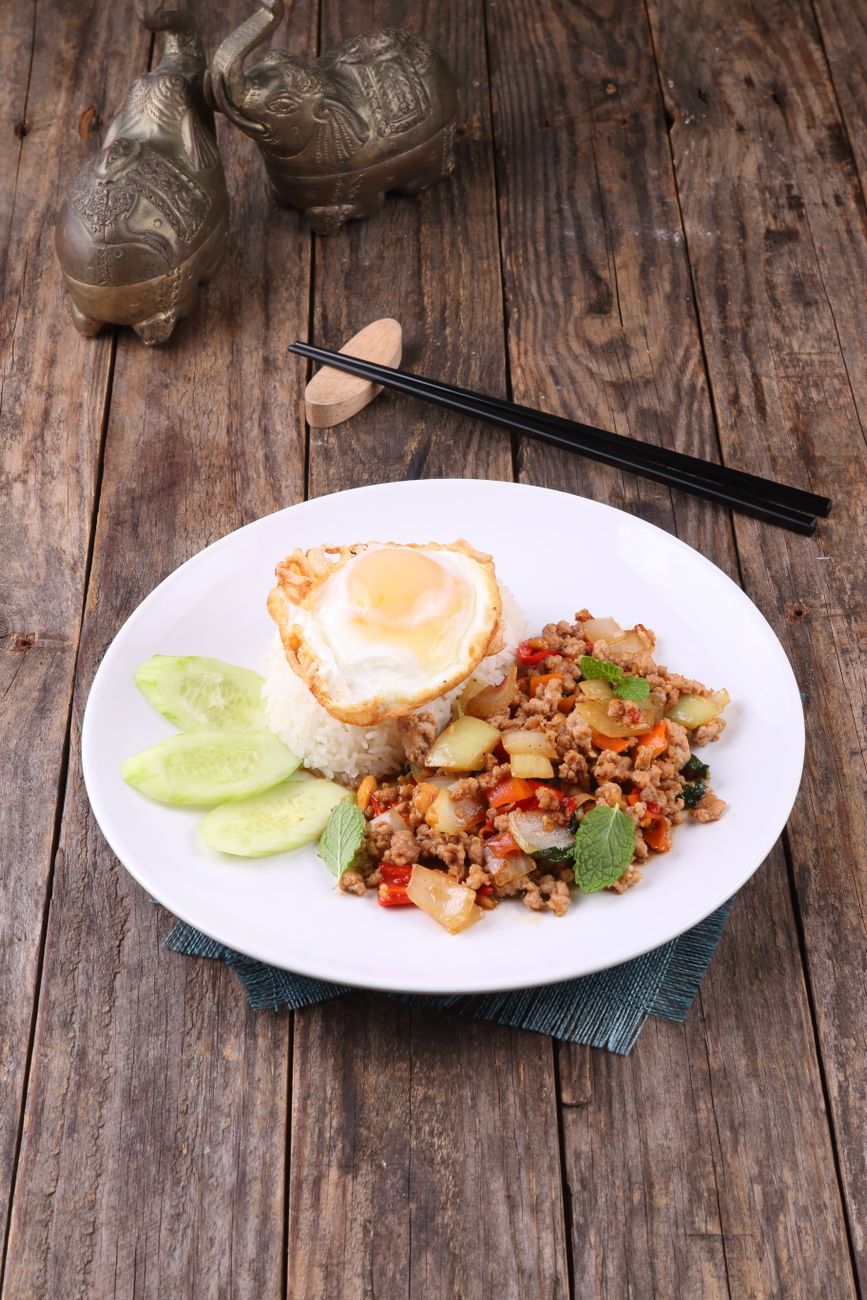
May 17, 2026Thai Chili-Garlic Stir-Fried Ground Pork (Pad Kra Pao)
Intensely aromatic ground pork stir-fried with bird's eye chilies, garlic, and holy basil in a savory-sweet sauce that brings serious heat. 18 min · 0 saves.
thai · hot
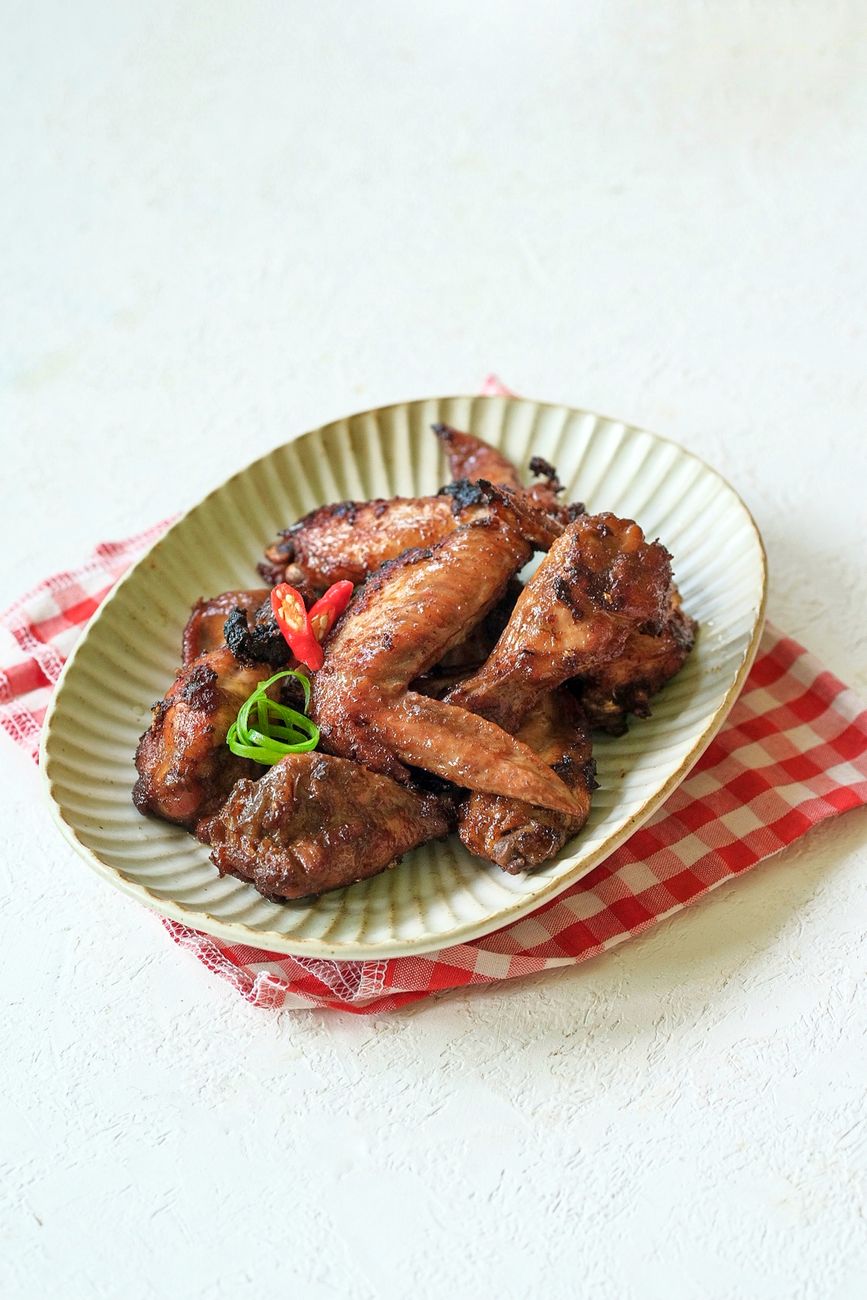
May 5, 2026Thai Hot Wings with Nam Prik Pao Glaze
Crispy chicken wings meet the complex fire of nam prik pao—Thai chili jam—in a glaze that delivers layers of smoky heat, tangy tamarind, and caramelized palm sugar. 65 min · 0 saves.

thai · hot
Mar 21, 2026Green Curry Coconut Meatballs
Tender meatballs simmered in green curry coconut sauce with basil, lime, and a slow-building chili finish. 45 min · 289 saves.
Bottle picks
Related hot sauce reviews.
Explore sauces with related ingredients, flavors, and heat levels.
Yellowbird Habanero Hot Sauce Review
A bright, carrot-forward bottle with enough heat to stay lively and enough sweetness to stay versatile.
Best for tacos
Best for: Tacos and rice bowls
Skip if: Skip if you want a classic vinegar-forward table sauce with almost no sweetness.
Read review
Fly By Jing Sichuan Gold Review
A citrusy, tingly sauce with real peppercorn presence and enough versatility to move beyond dumplings.
Best for dumplings
Best for: Eggs and breakfast tacos
Skip if: Skip if you want a thick, smoky wing sauce more than a bright finishing bottle.
Read review
Mike's Hot Honey Review
Sweet heat done right: sticky, quick, and versatile enough to become a finishing move instead of a novelty.
Best for gifting
Best for: Pizza and fried chicken
Skip if: Skip if you want a classic vinegar-forward table sauce with almost no sweetness.
Read review
Go deeper
Background guides that build on this.
Keep reading
More on this subject.
If this post helped, these are the next pieces most likely to keep the thread going.
culture
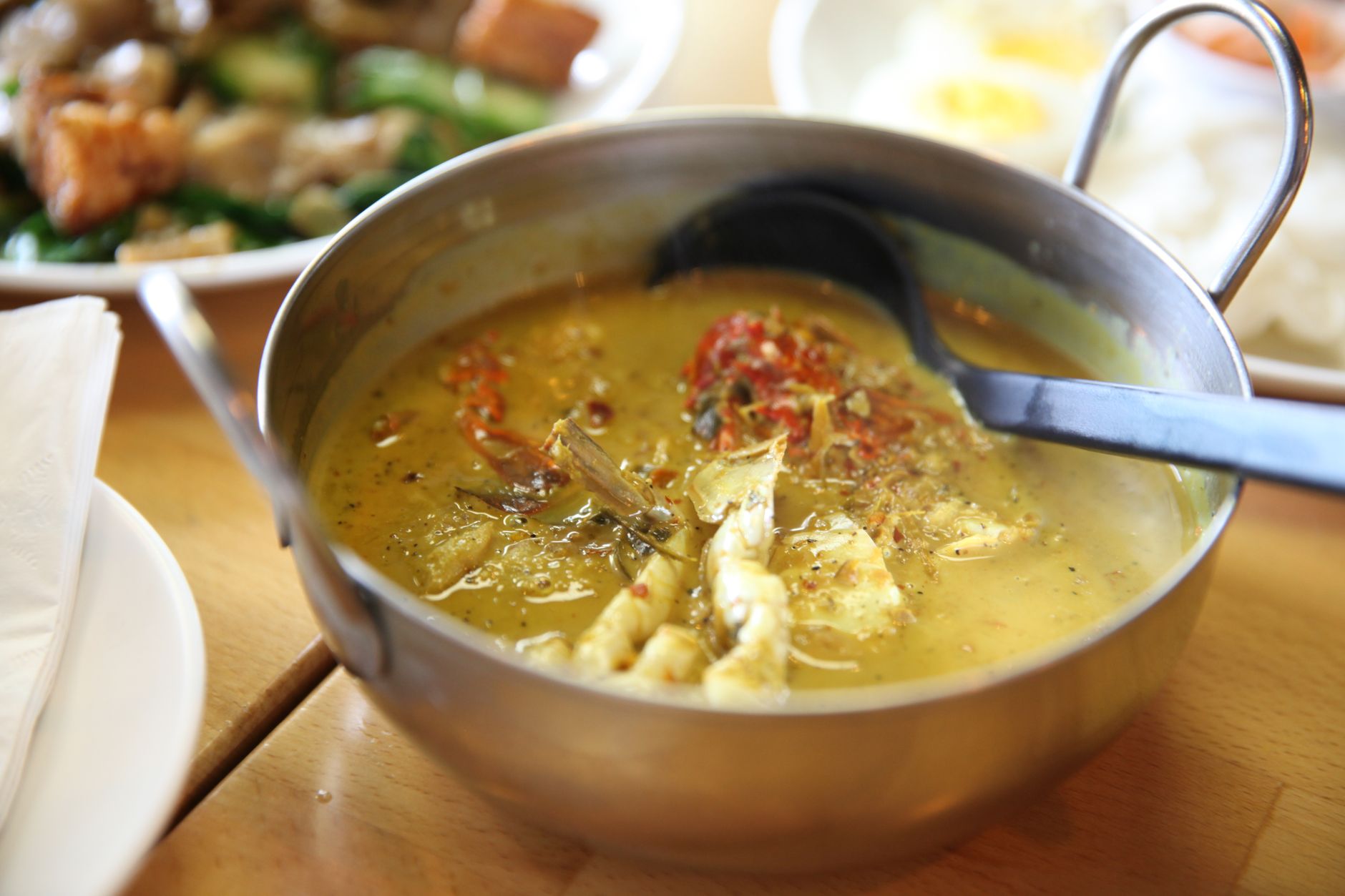
Jun 5, 2026The Fiery Thai Dishes Taking Over American Kitchens Right Now
The spicy Thai dishes making their way into American home kitchens tell a different story than the pad thai we all know. These are the regional specialties, fermented condiments, and chili-forward dishes that showcase what real Thai heat culture looks like when you dig deeper.

culture
May 31, 2026Why Thai Larb, Jungle Curry, and Boat Noodles Are Having Their Spicy Moment
Three bold Thai dishes are winning over spice lovers everywhere, each one showcasing a completely different way to build and balance serious heat. Here's why larb, jungle curry, and boat noodles deserve a spot at your table.

culture
Apr 29, 2026Beyond Pad Thai: The Thai Spicy Dishes That Actually Define Heat Culture
Skip the tourist-friendly pad thai and dive into the dishes that actually make Thai locals sweat—som tam that'll clear your sinuses, sour curry that makes green curry seem timid, and meat salads that redefine what heat should taste like.
Comments
Reader discussion is shared across recipes, reviews, and editorial pieces.
Comments are read-only while member sign-in is paused.