
culture
Spicy Jamaican Dishes That Define Heat and Flavor Right Now
Jamaican cooking builds heat intentionally, not as theater. Scotch bonnets anchor the tradition—fruity, complex peppers that shape everything from jerk seasoning to table sauces. Learn how to choose them, use them, and understand why this approach to spice has stayed central to the cuisine.
Share this
Pass it around
Send this page to a friend, copy the link, or save it to a Pinterest board.

Save for later
Pin this page
Save the image with a link back to this recipe, review, or article.
Jamaican cuisine has always centered on heat as seasoning, not as a stunt. The Scotch bonnet pepper—a small lantern-shaped chili with fruity undertones and genuine bite—sits at the foundation. When you see spicy Jamaican dishes getting attention now, you're watching cooks embrace what these peppers can actually do: build layered sauces, temper into stews, season rice and grilled seafood with precision.
Scotch Bonnets: The Pepper at the Center
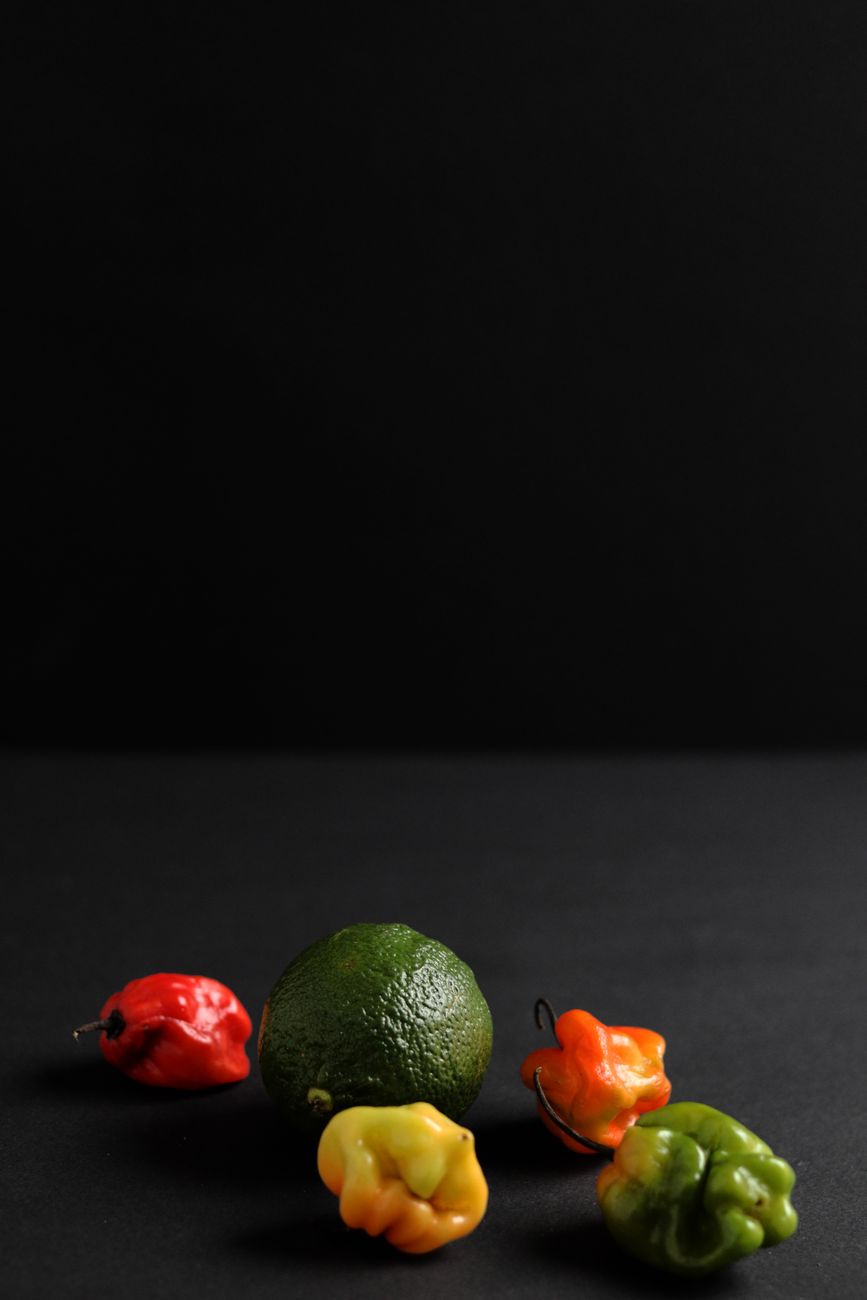
Scotch bonnets measure between 100,000 and 350,000 Scoville heat units—hotter than a jalapeño but carrying far more flavor underneath. What sets them apart is their fruity, slightly floral character that survives the heat. When you buy them, look for thin, smooth skin and vibrant color: red, orange, or yellow. Wrinkles or soft spots signal they're losing potency and flavor.
Fresh Scotch bonnets shine in hot sauces and marinades, where their fruitiness balances lime juice and vinegar. They dry well too, concentrating heat and adding smokiness to stews and seasoning blends. The Jamaican approach differs from other Caribbean traditions in its consistency: Scotch bonnets function as a central building block from the first step of a recipe, not just a finishing accent.
Jerk Seasoning: The Foundational Blend
Jerk chicken and pork have moved into home kitchens because the seasoning itself is straightforward and immediate. The base combines Scotch bonnets with allspice berries, thyme, garlic, ginger, and lime. The balance matters: enough pepper to register as genuinely hot, enough allspice to warm the palate with almost-sweet undertones.
To make jerk seasoning, blend 3 to 4 fresh Scotch bonnets (seeds removed for less heat, left in for full intensity), 2 tablespoons of allspice berries ground fresh, 1 tablespoon of fresh thyme, 3 cloves of garlic, a 1-inch piece of ginger, the juice of 1 lime, and salt to taste into a paste. Use it as a marinade for chicken, pork, or firm fish, coating thoroughly and letting it sit at least 2 hours before grilling or baking.
The heat builds gradually. The allspice releases warmth slowly; the lime carries the Scotch bonnet's heat deeper into your palate instead of concentrating it on the front of your tongue.
Pepper Sauces: Table Condiment
Jamaican pepper sauces sit on tables the way ketchup does elsewhere—integral to the meal, used sparingly on rice, beans, seafood, or grilled meats. The most common versions combine Scotch bonnets with vinegar, mustard, and salt, creating a thin sauce that brings heat without overwhelming other flavors.
A basic version uses 6 to 8 fresh Scotch bonnets, 1 cup of vinegar (white or malt), 2 tablespoons of mustard (yellow or créole), 1 teaspoon of salt, and optional garlic or ginger. Finely chop the peppers or pulse them in a food processor until they break down but stay slightly chunky. Mix with the other ingredients and seal in a jar for at least a week. The peppers will soften slightly and flavors will blend; the heat will actually intensify.
These sauces aren't meant to coat food thickly. A teaspoon or two alongside grilled fish or on a plate of rice and beans is the typical portion—the sauce is there to add a bright, hot accent.
Scotch Bonnets in Soups and Stews
In curries and soups, Scotch bonnets are often cooked whole or halved, left in just long enough to infuse the broth before removal. This gives you live control over heat. Leave the pepper intact and remove it after 10 to 15 minutes, and heat stays moderate. Leave it longer or break it open as it cooks, and heat builds steadily.
For a simple base, sweat onions, garlic, and ginger in oil until soft. Add your protein (chicken, seafood, or beans) and broth. Drop in 2 to 3 whole Scotch bonnets and simmer. After 10 minutes, taste a small spoonful of broth to check heat level. At 15 minutes, remove the peppers entirely if you want heat to plateau; leave them longer if you want it to build.
This technique matters because you're adjusting heat live—a core approach in Jamaican cooking, where spice is seasoned to taste rather than fixed by recipe.
Buying and Storing Scotch Bonnets
Fresh Scotch bonnets are increasingly available at major supermarkets, Caribbean markets, and online produce retailers. Labels may call them Jamaican hot peppers or Caribbean hot peppers. Choose firm peppers with smooth, unblemished skin. Green ones taste more grassy; red, orange, or yellow peppers have developed their full fruity character.
Store fresh Scotch bonnets in a paper bag in the refrigerator vegetable drawer. They'll keep 2 to 3 weeks. Freeze them whole in a freezer bag if you have surplus; they soften when thawed, so they work best in cooked dishes rather than raw salsas, but retain most heat and flavor.
Dried Scotch bonnets concentrate the pepper's fruity notes and add subtle smokiness. Rehydrate by soaking in hot water for 10 minutes, then blend into sauces or add to long-simmering stews. A single dried pepper goes much further than you'd expect.
Why This Approach to Heat Endures
What draws attention to spicy Jamaican dishes is precision and balance. Heat functions as a seasoning meant to layer and control, not as shock value. The allspice, the citrus, the careful deployment of Scotch bonnets in sauces and stews—these techniques produce food you want to eat repeatedly, not just endure once. That's why jerk chicken and pepper sauces have moved into regular rotation, and why learning the cooking on its own terms pays off.
Peppers featured in this post
Cook with this idea
Recipes to try next.
Put these ingredients and techniques to use in your next meal.
jamaican · hot
Jun 5, 2026Scotch Bonnet Rasta Pasta with Jerk Chicken
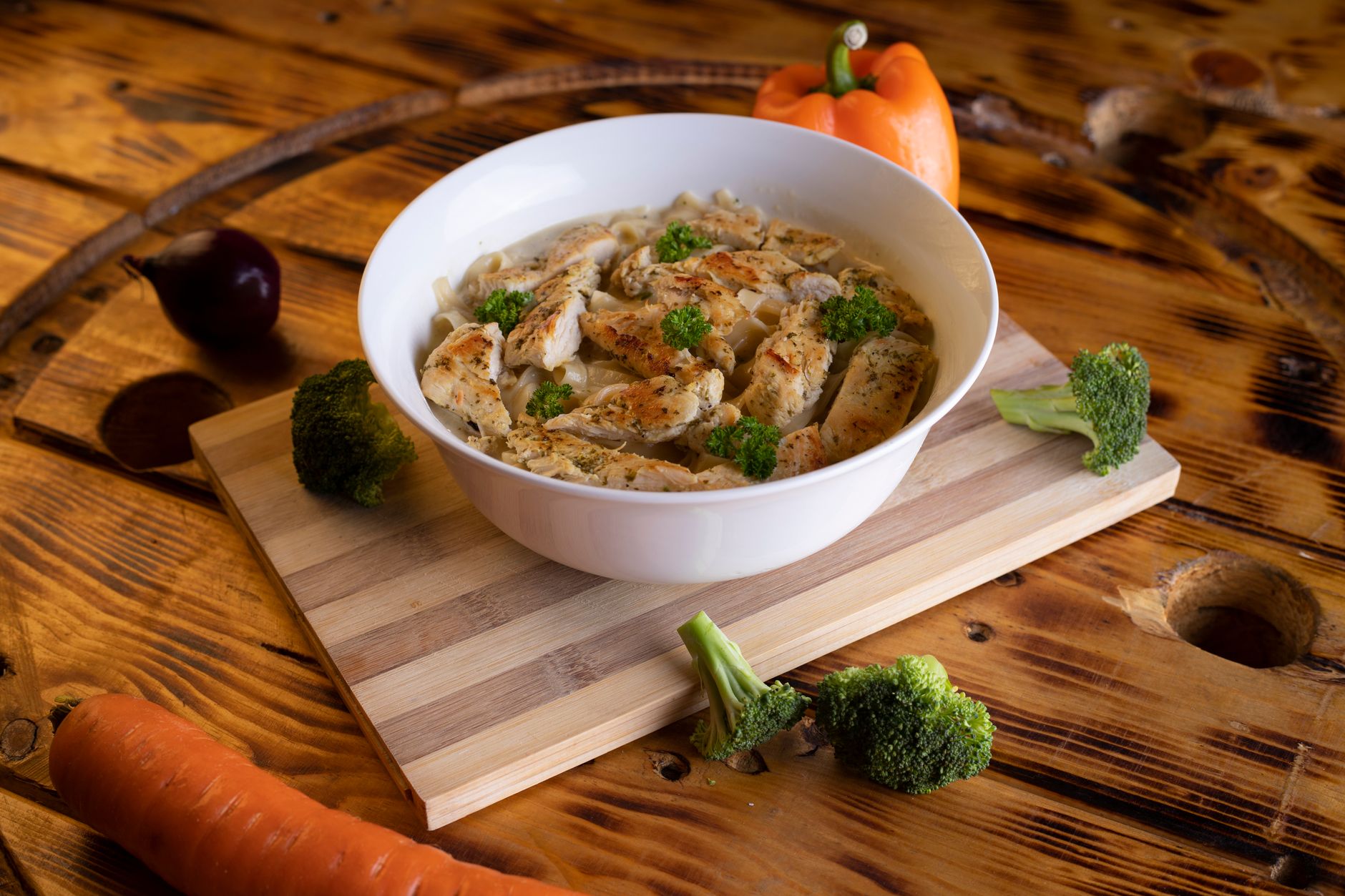
Silky coconut pasta dancing with colorful bell peppers and perfectly seasoned jerk chicken, warmed by whole scotch bonnet peppers that bring authentic Jamaican fire to your dinner table. 45 min · 0 saves.

jamaican · hot
May 29, 2026Jamaican Curry Goat with Scotch Bonnet Heat
A rich, aromatic curry goat that builds serious heat with scotch bonnet peppers, coconut milk, and traditional Jamaican spices—the kind that makes you sweat happily with every spoonful. 145 min · 0 saves.
jamaican · hot
May 18, 2026Scotch Bonnet Jerk Pork Rice Bowl with Pickled Plantain
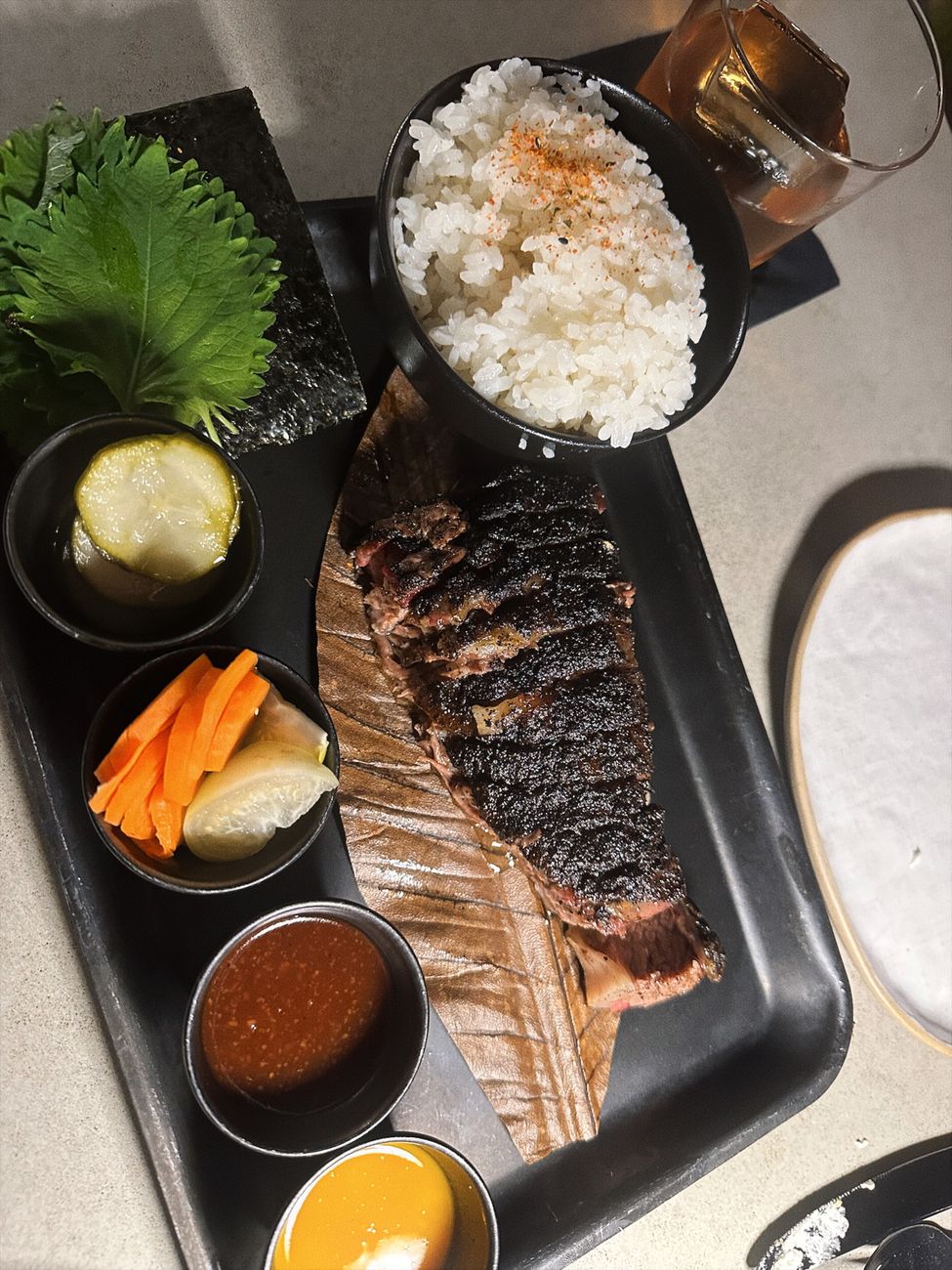
Fork-tender jerk-spiced pork shoulder served over creamy coconut rice, topped with tangy pickled plantain and a fiery scotch bonnet-ginger sauce that delivers authentic Jamaican heat with layers of complex spice. 100 min · 0 saves.
Bottle picks
Related hot sauce reviews.
Explore sauces with related ingredients, flavors, and heat levels.
Queen Majesty Scotch Bonnet and Ginger Review
A bright, elegant sauce that leans on fruit, ginger, and Scotch bonnet lift instead of brute force.
Best for seafood
Best for: Seafood and fish tacos
Skip if: Skip if you want a thick, smoky wing sauce more than a bright finishing bottle.
Read review
Yellowbird Habanero Hot Sauce Review
A bright, carrot-forward bottle with enough heat to stay lively and enough sweetness to stay versatile.
Best for tacos
Best for: Tacos and rice bowls
Skip if: Skip if you want a classic vinegar-forward table sauce with almost no sweetness.
Read review
Fuego Box Monthly Subscription Review
A reliable discovery box for people who want more than supermarket sauces without going full novelty heat gimmick.
Best for gifting
Best for: Sauce subscription
Skip if: Skip if you need one exact everyday bottle instead of a discovery-style gift.
Read review
Go deeper
Background guides that build on this.
Keep reading
More on this subject.
If this post helped, these are the next pieces most likely to keep the thread going.

culture
May 4, 2026Five Jamaican Spicy Dishes That Hit Different Right Now
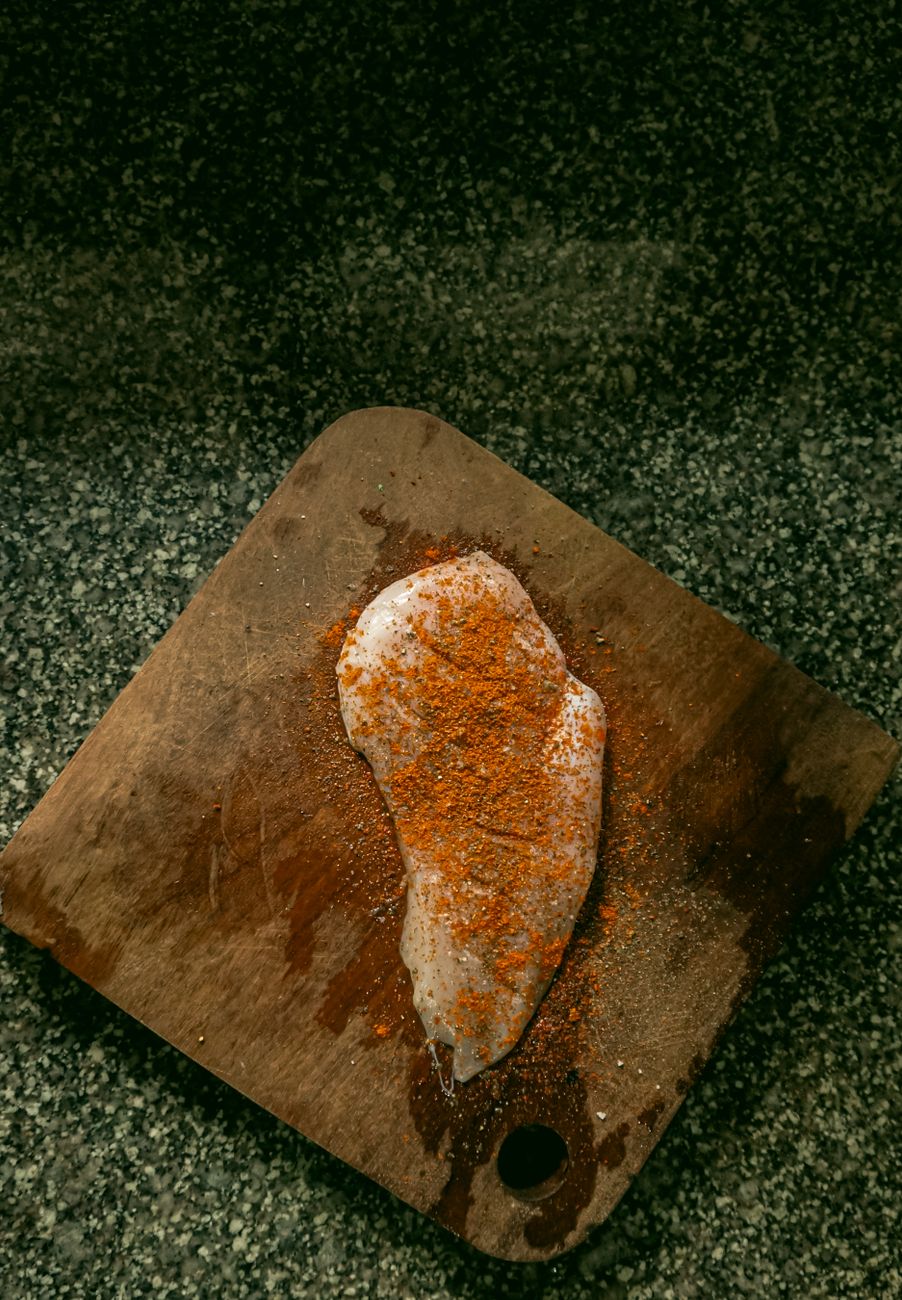
From curry goat that builds heat slowly to jerk shrimp that packs concentrated fire, these five Jamaican dishes show why scotch bonnet peppers create the kind of heat you actually crave.
culture
Apr 11, 2026Jamaica's Hottest Dish Styles That Have Everyone Talking
The Jamaican dishes everyone's making right now understand something we've forgotten: real heat should tell a story, not just set your mouth on fire. From jerk everything to curry goat that'll make you rethink comfort food.
culture
Apr 23, 2026Jamaica's Heat Revolution: Three Spicy Styles Reshaping Caribbean Tables
Three brilliant ways Jamaican cooks are reimagining their pepper-forward traditions—from jerk-spiced vegetables to scotch bonnet curry comfort foods—that actually make sense for your kitchen.
Comments
Reader discussion is shared across recipes, reviews, and editorial pieces.
Comments are read-only while member sign-in is paused.