
FlamingFoodies recipe
Spicy Korean Gochujang Noodles
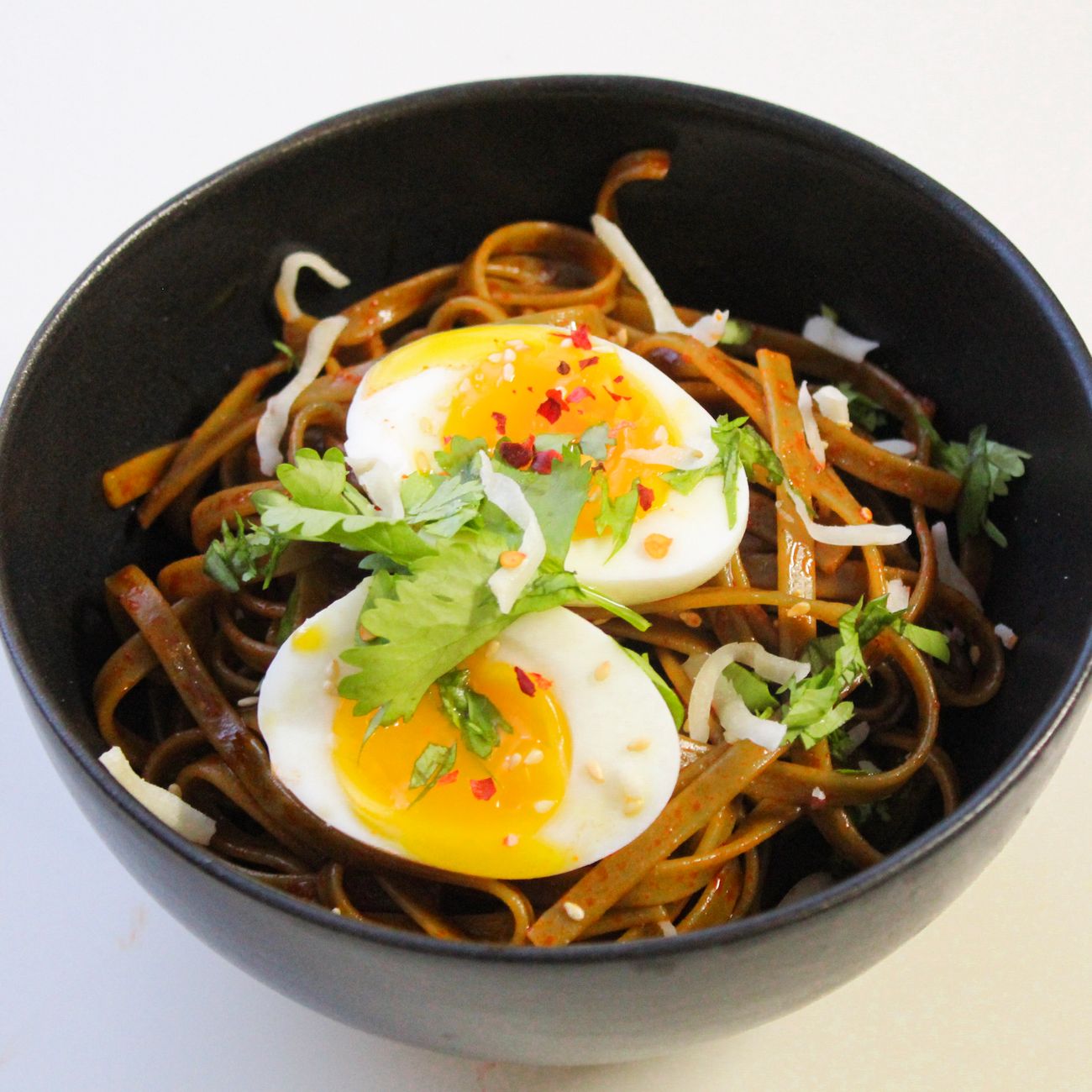
A glossy weeknight noodle bowl with fermented chilli depth, crisp vegetables, and real heat.
A fast, high-reward noodle bowl with fermented chile depth, springy noodles, and enough crunch on top to keep every bite moving.
Ingredients
For the gochujang sauce
- 3 tbspgochujang
- 2 tbspsoy sauce
- 1 tbsprice vinegar
- 2 tsphoney
- 1 tbsptoasted sesame oil
- 3garlic cloves, grated
- 1 tspfresh ginger, grated
For the noodles and finish
- 12 ozramyun-style noodles
- 2 cupsbaby spinach
- 1Persian cucumber, thinly sliced
- 4scallions, thinly sliced
- 2 tsptoasted sesame seeds
Method
1. Build a glossy sauce first Whisk the gochujang, soy, vinegar, honey, sesame oil, garlic, and ginger until the mixture looks smooth and spoonable.
Watch for: The sauce should taste balanced, with savory depth and a little sweetness, not just raw heat.
Tip: If the gochujang is stiff, add a teaspoon of warm water to loosen it.
2. Cook the noodles with some bounce left Boil the noodles until just springy and reserve some cooking water before draining so you can loosen the sauce later.
Watch for: The noodles should bend easily but still feel resilient in the center.
Tip: Overcooked noodles go dull and gummy fast in this style of sauce.
3. Lacquer the noodles, then wilt the greens Return the hot noodles to the pot, add the sauce, and toss until everything turns glossy. Fold in the spinach at the end so it softens without disappearing.
Watch for: You want shiny noodles with a loose sheen, not a dry paste sitting on top.
Tip: Use noodle water in small splashes until the sauce coats every strand cleanly.
4. Finish with contrast Pile the noodles into bowls and top with cucumber, scallions, and sesame seeds so the bowl gets crunch, freshness, and a cooler edge against the heat.
Watch for: The final bowl should look glossy and feel restless, not flat and one-note.
Tip: Serve immediately while the noodles still have spring and the toppings stay crisp.
Equipment
- large pot
- mixing bowl
- tongs
Make ahead
- The sauce can be mixed a day ahead and kept in the fridge. Slice the cucumber and scallions right before serving so the bowl still feels fresh.
Storage
- Store leftover noodles in an airtight container for up to 2 days. Keep the crunchy toppings separate so they do not turn watery.
Reheat
- Reheat gently in a skillet or microwave with a splash of water to loosen the sauce, then add fresh scallions and cucumber before serving.
Top tips
- Add a spoon of peanut butter for extra body.
- Finish with cucumber for a cooling crunch.
Substitutions
- Use udon if you want a chewier, heavier bowl, but keep extra noodle water ready because thicker noodles absorb more sauce.
- Use maple syrup or brown sugar in place of honey if that is what you already have open.
- Swap spinach for bok choy or napa cabbage if you want more texture.
Serve with
- Add a jammy egg or crispy tofu if you want the bowl to land more like a full dinner.
- Serve with kimchi or quick-pickled cucumbers if you want even more sharpness against the heat.
- Scatter extra sesame seeds and a last drizzle of sesame oil at the table for a richer finish.
Find another recipe
Open archive →Spicy Korean Gochujang Noodles

A glossy weeknight noodle bowl with fermented chilli depth, crisp vegetables, and real heat.
Prep
20 min
Cook
15 min
Active
25 min
Total
35 min
Yield
4 servings
Share this
Pass it around
Send this page to a friend, copy the link, or save it to a Pinterest board.
Save for later
Pin this page
Save the image with a link back to this recipe, review, or article.
Recipe notes
Before you cook
This bowl leans on gochujang for a deep, savory heat instead of blunt spice. The result is fast, bold, and balanced enough to keep craving another forkful.
Total time
35 min
Prep: 20 min. Cook: 15 min.
Yield
4 servings
The ingredient quantities below are for this yield.
Method
How to cook it
Use the step navigator to move around, or stay in cook mode and work top to bottom.
- 1
Step 1 of 4
Build a glossy sauce first
Whisk the gochujang, soy, vinegar, honey, sesame oil, garlic, and ginger until the mixture looks smooth and spoonable.
- 2
Step 2 of 4
Cook the noodles with some bounce left
Boil the noodles until just springy and reserve some cooking water before draining so you can loosen the sauce later.
- 3
Step 3 of 4
Lacquer the noodles, then wilt the greens
Return the hot noodles to the pot, add the sauce, and toss until everything turns glossy. Fold in the spinach at the end so it softens without disappearing.
- 4
Step 4 of 4
Finish with contrast
Pile the noodles into bowls and top with cucumber, scallions, and sesame seeds so the bowl gets crunch, freshness, and a cooler edge against the heat.

Troubleshooting
Tips that matter
- Add a spoon of peanut butter for extra body.
- Finish with cucumber for a cooling crunch.
Substitutions and variations
Storage and leftovers
Plan ahead and reheat well
Make ahead
The sauce can be mixed a day ahead and kept in the fridge. Slice the cucumber and scallions right before serving so the bowl still feels fresh.
Storage
Store leftover noodles in an airtight container for up to 2 days. Keep the crunchy toppings separate so they do not turn watery.
Reheat
Reheat gently in a skillet or microwave with a splash of water to loosen the sauce, then add fresh scallions and cucumber before serving.
At the table
Serving suggestions
- Add a jammy egg or crispy tofu if you want the bowl to land more like a full dinner.
- Serve with kimchi or quick-pickled cucumbers if you want even more sharpness against the heat.
- Scatter extra sesame seeds and a last drizzle of sesame oil at the table for a richer finish.
FAQ
Common questions
Can I make these noodles less spicy?
Yes. Start with 2 tablespoons of gochujang instead of 3, then taste the sauce before tossing the noodles.
What noodles work best if I cannot find ramyun-style noodles?
Fresh ramen, yakisoba noodles, or even udon all work. Just adjust the noodle-water addition so the sauce stays glossy instead of tight.
Does this hold up for leftovers?
It holds up well for lunch the next day, but the noodles will drink up sauce. Reheat with a splash of water and add fresh toppings before eating.
Heat profile
Hot
The recipe is classified as hot. Check the chile quantities before you start.
Skill level
Beginner
Read the ingredient list and method before you start.
Total time
35 min
Prep: 20 min. Cook: 15 min.
Yield
4 servings
The ingredient quantities below are for this yield.
Cook this with
Three useful buys before you start
A sauce, a pantry ingredient, and a kitchen tool to consider for this dish.
Sauce
Yellowbird Habanero
Yellowbird · Best for tacos
It brings enough heat to cut through the richer bites without flattening the rest of the dish.
Get the sauce used herePantry
Chung Jung One Gochujang Paste
Flavor builder
Layered heat with umami. Fermented chili paste for noodles, wings, marinades, and that sweet-savory Korean backbone.
Grab the pantry stapleGear
Carbon Steel Wok
Fast heat
High-heat noodles and fried rice. Built for smoky stir-fries, chili oil noodles, and any dinner that needs real burner contact.
Use this toolPair this with
The right bottle for this recipe
These sauce picks are matched to the dish itself, not dropped in at random. Use them to finish, sharpen, or push the heat where it helps.
Yellowbird Habanero
It brings enough heat to cut through the richer bites without flattening the rest of the dish.
A bright, carrot-forward bottle with enough heat to stay lively and enough sweetness to stay versatile.
Sichuan Gold
Use this when you want a brighter finishing hit next to the deeper flavors already built into spicy korean gochujang noodles.
A citrusy, tingly sauce with real peppercorn presence and enough versatility to move beyond dumplings.
Shop the pantry
Pantry staples for this recipe
Flavor builder
$8-$15Chung Jung One Gochujang Paste
Layered heat with umami. Fermented chili paste for noodles, wings, marinades, and that sweet-savory Korean backbone.
Check price on AmazonTexture hit
$10-$16Crunchy Chili Crisp
Finishing bowls and dumplings. Crunch, oil, and lingering heat for dumplings, eggs, noodles, and roasted vegetables.
Check price on AmazonChar-ready marinade
$8-$14Nando's Medium Peri-Peri Sauce
Chicken, skewers, and grilled vegetables. The bottle to grab when chicken needs acid, garlic, and real heat before it hits the grill or broiler.
Check price on AmazonRecommended equipment
Cooking tools
Fast heat
$35-$70Carbon Steel Wok
High-heat noodles and fried rice. Built for smoky stir-fries, chili oil noodles, and any dinner that needs real burner contact.
Check price on AmazonMeal-prep anchor
$30-$60Compact Rice Cooker
Bowls, fried rice, and weekly meal prep. A simple countertop win for rice bowls, congee, spicy fried rice, and the carb base that makes leftovers useful.
Check price on AmazonCook next
More recipes with similar heat
These are the next recipes most likely to fit the same mood, pantry, or heat level once this one is in your rotation.

korean · mild
Sep 6, 2026Gochujang-Glazed Chicken Wings
Tender, glossy chicken wings coated in a mild gochujang glaze with sesame and garlic. The heat is gentle and rounded, never sharp—perfect for sharing without worry about tolerance gaps at the table. 50 min · 0 saves.
korean · hot
Apr 5, 2026Fire Chicken (Buldak) with Ghost Pepper Gochujang
An intensely spicy Korean fire chicken that pushes traditional buldak to scorching new heights with ghost pepper-infused gochujang and fresh habaneros. 45 min · 0 saves.
korean · reaper
Jun 9, 2026Carolina Reaper Bibim Naengmyeon (Spicy Cold Buckwheat Noodles)
Intensely spicy Korean cold buckwheat noodles with Carolina Reaper-spiked gochujang sauce, julienned vegetables, and a soft-boiled egg 40 min · 0 saves.
FlamingFoodies picks
Pantry, gear, and bottle picks that fit this meal
Everyday bottle
Yellowbird Habanero Hot Sauce
Bright carrot-habanero heat with enough body to work on eggs, tacos, and roasted vegetables. Best for breakfasts, tacos, and meal prep bowls.
View on AmazonNumbing heat
Fly By Jing Sichuan Gold
A more citrusy, peppercorn-leaning sauce when you want flavor movement instead of pure capsaicin. Best for dumplings, noodles, and fried eggs.
View on AmazonFrom the blog
More about this dish
Read more about the ingredients and cuisine.

culture
May 1, 2026Beyond Kimchi: Korean Spicy Dishes Taking Over Tables Right Now
Korean heat goes so much deeper than kimchi and gochujang. From sticky-sweet fire chicken to those impossibly addictive rice cakes, these dishes reveal why Korean spice mastery has completely won us over.

culture
Apr 22, 2026Five Korean Spicy Dishes That Are Changing How We Crave Heat
Korean spicy food doesn't just burn—it builds layers of heat that keep drawing you back for more. These five dishes show why fermented fire and gochujang glazes create the kind of cravings that make you rethink everything you thought you knew about spice.
Background guides
Read the guide behind the technique
Learn more about the cooking techniques used here.
Community notes
Reader discussion is shared across recipes, reviews, and editorial pieces.
Comments are read-only while member sign-in is paused.