
FlamingFoodies recipe
İblis Güveç - Devil's Clay Pot Stew with Trinidad Moruga Peppers
This fiery Turkish stew brings together tender lamb shoulder and the legendary heat of Trinidad Moruga peppers, all slow-cooked in a traditional clay güveç with eggplant, tomatoes, and warming spices that'll make your kitchen smell like heaven before it sets your mouth ablaze.
Fall-apart lamb shoulder meets the volcanic heat of Trinidad Moruga peppers in this traditional Turkish clay pot stew, slow-braised with eggplant and tomatoes until dangerously delicious.
Ingredients
Stew Base
- 3 lbslamb shoulder, cut into 2-inch pieces
- 1 largeyellow onion, sliced thick
- 4 clovesgarlic, minced
- 1/4 cupolive oil
Heat Component
- 4-6 wholeTrinidad Moruga peppers, wear gloves
Vegetables & Aromatics
- 2 mediumJapanese eggplants, cut into chunks
- 1 canwhole San Marzano tomatoes, 28 oz, crushed by hand
- 2 tablespoonstomato paste
- 1 teaspoonground cumin
- 1 teaspoonsweet paprika
- 1/2 teaspoonground allspice
Braising Liquid
- 2 cupslamb or beef stock
- 1 tablespoonkosher salt
- 1/2 teaspoonblack pepper
Method
1. Get That Lamb Golden Start by heating your olive oil in the clay güveç until it's shimmering and ready. Season those lamb pieces well, then brown them in batches—don't crowd them or they'll steam instead of sear. You want each piece to develop a beautiful golden crust that'll add serious depth to your finished stew.
Watch for: Each piece should have a deep, caramelized crust and release easily from the bottom
Tip: The meat will tell you when it's ready to flip—it'll release easily from the pot when properly browned.
2. Build Your Flavor Foundation Into that same pot go your onions, cooking until they're soft and translucent. Then comes the fun part—add the garlic, those whole Trinidad Moruga peppers (handle with respect), tomato paste, and all your warm spices. Let everything bloom together for a couple minutes. Keeping the peppers whole gives you more control over the final heat level.
Watch for: The mixture should smell incredibly fragrant and the onions should be completely softened
Tip: That tomato paste should darken and smell rich, not raw—this step builds the backbone of your stew.
3. The Long, Slow Magic Time to bring it all together. Back goes the lamb, along with your hand-crushed tomatoes, eggplant chunks, and enough stock to just barely cover everything. Bring it to a gentle simmer, cover it up tight, and let the oven work its slow magic. This is where the lamb transforms from tough to tender and those peppers start their serious work.
Watch for: Just the occasional gentle bubble around the edges—no vigorous boiling needed
4. Taste and Tame (Maybe) After a couple hours, test the lamb with a fork—it should shred without any resistance. Now comes the moment of truth: decide whether to remove those peppers or let them keep doing their thing. The eggplant should be silky, the sauce should coat a spoon, and the heat... well, you'll know. Taste with extreme caution and have cooling reinforcements nearby.
Watch for: The lamb should fall apart at the gentlest touch, and the sauce should cling beautifully to everything
Tip: That heat keeps building even after you remove the peppers, so err on the side of caution if you're unsure.
Equipment
- clay güveç or Dutch oven
- cutting board
- sharp knife
- wooden spoon
Make ahead
- This stew actually gets better after sitting overnight in the fridge—all those flavors meld and deepen, though the heat level might climb a notch or two as well.
Storage
- Keeps beautifully in the fridge for up to 4 days, though it'll thicken up considerably once cold.
Reheat
- Warm it gently on the stovetop over low heat, adding a splash of stock if it's gotten too thick. Skip the microwave—it creates hot spots that make the heat even more unpredictable.
Top tips
- Start with those peppers whole and remove them when you hit your heat limit—you can always add more fire but you can't take it back
- A real clay güveç gives the most even, gentle heat, but any heavy pot with a tight lid will do the job
- That capsaicin keeps working even after the peppers come out, so the heat will continue building as it sits
Substitutions
- Ghost peppers work instead of Trinidad Moruga if you want slightly less volcanic heat
- Beef chuck roast makes an excellent substitute for the lamb shoulder
- Regular eggplant works fine—just cut it a bit larger since it breaks down more than the Japanese variety
Serve with
- Serve it over simple rice pilaf to help tame some of that fire
- Keep thick, cooling Turkish yogurt within arm's reach
- Warm pita bread is perfect for sopping up every drop of that intense sauce
Find another recipe
Open archive →İblis Güveç - Devil's Clay Pot Stew with Trinidad Moruga Peppers

This fiery Turkish stew brings together tender lamb shoulder and the legendary heat of Trinidad Moruga peppers, all slow-cooked in a traditional clay güveç with eggplant, tomatoes, and warming spices that'll make your kitchen smell like heaven before it sets your mouth ablaze.
Prep
30 min
Cook
2 hrs 30 min
Active
45 min
Total
3 hrs
Yield
6 servings
Share this
Pass it around
Send this page to a friend, copy the link, or save it to a Pinterest board.
Save for later
Pin this page
Save the image with a link back to this recipe, review, or article.
Recipe notes
Before you cook
Some dishes are meant to test your limits, and this devil's stew is absolutely one of them. Born from my fascination with Turkish güveç cooking and an admittedly reckless love of superhot peppers, this recipe walks the line between traditional comfort food and pure fire. The clay pot method concentrates every flavor—including that slow-building Trinidad Moruga heat that creeps up on you like a friendly cat before pouncing. The lamb becomes fall-apart tender, the eggplant turns silky, and those whole peppers... well, they're doing exactly what you think they're doing. Fair warning: this isn't for casual spice lovers.
Total time
3 hrs
Prep: 30 min. Cook: 2 hrs 30 min.
Yield
6 servings
The ingredient quantities below are for this yield.
Method
How to cook it
Use the step navigator to move around, or stay in cook mode and work top to bottom.
- 1
Step 1 of 4
Get That Lamb Golden
Start by heating your olive oil in the clay güveç until it's shimmering and ready. Season those lamb pieces well, then brown them in batches—don't crowd them or they'll steam instead of sear. You want each piece to develop a beautiful golden crust that'll add serious depth to your finished stew.
- 2
Step 2 of 4
Build Your Flavor Foundation
Into that same pot go your onions, cooking until they're soft and translucent. Then comes the fun part—add the garlic, those whole Trinidad Moruga peppers (handle with respect), tomato paste, and all your warm spices. Let everything bloom together for a couple minutes. Keeping the peppers whole gives you more control over the final heat level.
- 3
Step 3 of 4
The Long, Slow Magic
Time to bring it all together. Back goes the lamb, along with your hand-crushed tomatoes, eggplant chunks, and enough stock to just barely cover everything. Bring it to a gentle simmer, cover it up tight, and let the oven work its slow magic. This is where the lamb transforms from tough to tender and those peppers start their serious work.
- 4
Step 4 of 4
Taste and Tame (Maybe)
After a couple hours, test the lamb with a fork—it should shred without any resistance. Now comes the moment of truth: decide whether to remove those peppers or let them keep doing their thing. The eggplant should be silky, the sauce should coat a spoon, and the heat... well, you'll know. Taste with extreme caution and have cooling reinforcements nearby.
Troubleshooting
Tips that matter
- Start with those peppers whole and remove them when you hit your heat limit—you can always add more fire but you can't take it back
- A real clay güveç gives the most even, gentle heat, but any heavy pot with a tight lid will do the job
- That capsaicin keeps working even after the peppers come out, so the heat will continue building as it sits
Substitutions and variations
Storage and leftovers
Plan ahead and reheat well
Make ahead
This stew actually gets better after sitting overnight in the fridge—all those flavors meld and deepen, though the heat level might climb a notch or two as well.
Storage
Keeps beautifully in the fridge for up to 4 days, though it'll thicken up considerably once cold.
Reheat
Warm it gently on the stovetop over low heat, adding a splash of stock if it's gotten too thick. Skip the microwave—it creates hot spots that make the heat even more unpredictable.
At the table
Serving suggestions
- Serve it over simple rice pilaf to help tame some of that fire
- Keep thick, cooling Turkish yogurt within arm's reach
- Warm pita bread is perfect for sopping up every drop of that intense sauce
FAQ
Common questions
How do I know when the Trinidad Moruga peppers have done enough damage?
Start tasting very carefully after about 90 minutes of braising. The heat builds slowly and will keep intensifying even after you fish out the peppers. Remember, you can always leave them in longer, but once that capsaicin is in there, there's no going back.
Can I tone down the heat but keep the Turkish flavors?
Absolutely! Replace those Trinidad Moruga peppers with a couple of dried Turkish hot peppers like acı biber, or use just one Trinidad Moruga and pull it out after 30 minutes. You'll still get that warming heat without the volcanic experience.
What if I don't have a clay güveç pot?
Any heavy Dutch oven or enameled cast iron pot will work beautifully. The clay güveç adds a lovely subtle earthiness, but it's the slow, gentle braising that really makes this dish special, not the specific pot.
Heat profile
Very hot
The recipe is classified as inferno. Follow its guidance for reducing the heat.
Skill level
Intermediate
Check the method for steps that need to be prepared at the same time.
Total time
3 hrs
Prep: 30 min. Cook: 2 hrs 30 min.
Yield
6 servings
The ingredient quantities below are for this yield.
Cook this with
Three useful buys before you start
A sauce, a pantry ingredient, and a kitchen tool to consider for this dish.
Sauce
Torchbearer Garlic Reaper
Torchbearer · Best for wings
It brings enough heat to cut through the richer bites without flattening the rest of the dish.
Get the sauce used herePantry
Chipotle Peppers in Adobo
Smoky shortcut
Burger sauce, chili, and taco fillings. The pantry move for smoky mayo, burger sauce, taco braises, and chili that tastes like you actually thought ahead.
Grab the pantry stapleGear
Fermentation Jar Kit
DIY hot sauce
Homemade sauce projects. A clean starter kit for building fermented hot sauces and pepper mash at home.
Use this toolPair this with
The right bottle for this recipe
These sauce picks are matched to the dish itself, not dropped in at random. Use them to finish, sharpen, or push the heat where it helps.
Torchbearer Garlic Reaper
It brings enough heat to cut through the richer bites without flattening the rest of the dish.
An extremely hot garlic-forward sauce that somehow keeps real flavor structure under all that reaper pressure.
Los Calientes Rojo
Use this when you want a brighter finishing hit next to the deeper flavors already built into i̇blis güveç - devil's clay pot stew with trinidad moruga peppers.
Heatonist Los Calientes Rojo: flavor notes, heat level, and suggested food pairings.
Shop the pantry
Pantry staples for this recipe
Smoky shortcut
$4-$10Chipotle Peppers in Adobo
Burger sauce, chili, and taco fillings. The pantry move for smoky mayo, burger sauce, taco braises, and chili that tastes like you actually thought ahead.
Check price on AmazonRoast-anything helper
$8-$15Harissa Paste
Roasts, braises, and yogurt sauces. The smoky-chili shortcut for roast carrots, meatballs, chicken thighs, and yogurt sauces that need a little menace.
Check price on AmazonChar-ready marinade
$8-$14Nando's Medium Peri-Peri Sauce
Chicken, skewers, and grilled vegetables. The bottle to grab when chicken needs acid, garlic, and real heat before it hits the grill or broiler.
Check price on AmazonRecommended equipment
Cooking tools
DIY hot sauce
$20-$35Fermentation Jar Kit
Homemade sauce projects. A clean starter kit for building fermented hot sauces and pepper mash at home.
Check price on AmazonSummer helper
$18-$30Stainless Steel Grill Basket
Seafood, fajitas, and charred vegetables. A cleaner route for shrimp, peppers, onions, and small vegetables that would otherwise disappear into the grates.
Check price on AmazonCook next
More recipes with similar heat
These are the next recipes most likely to fit the same mood, pantry, or heat level once this one is in your rotation.

other · inferno
May 5, 2026Grilled Lamb Souvlaki with Scorpion Pepper Tzatziki
Traditional Greek souvlaki gets a fiery twist with tender marinated lamb and tzatziki spiked with Trinidad Moruga Scorpion peppers—for those who like their Mediterranean with serious bite. 60 min · 0 saves.

other · reaper
May 2, 2026Carolina Reaper Rendang Burger
A burger that marries the soul-warming complexity of Malaysian rendang with the fearsome heat of Carolina Reaper peppers. These beef patties get lovingly glazed in a concentrated rendang sauce where coconut milk, tamarind, and aromatic spices create a symphony of flavor that happens to deliver nuclear-level heat. 80 min · 0 saves.

mexican · reaper
Jun 4, 2026Diablo Carnitas Rice Bowl with Carolina Reaper Salsa
Tender slow-cooked pork carnitas meets the wild, fruity fire of Carolina Reaper peppers in this rice bowl that's built for serious heat seekers. 225 min · 0 saves.
FlamingFoodies picks
Pantry, gear, and bottle picks that fit this meal
Everyday bottle
Yellowbird Habanero Hot Sauce
Bright carrot-habanero heat with enough body to work on eggs, tacos, and roasted vegetables. Best for breakfasts, tacos, and meal prep bowls.
View on AmazonNumbing heat
Fly By Jing Sichuan Gold
A more citrusy, peppercorn-leaning sauce when you want flavor movement instead of pure capsaicin. Best for dumplings, noodles, and fried eggs.
View on AmazonFrom the blog
More about this dish
Read more about the ingredients and cuisine.
science
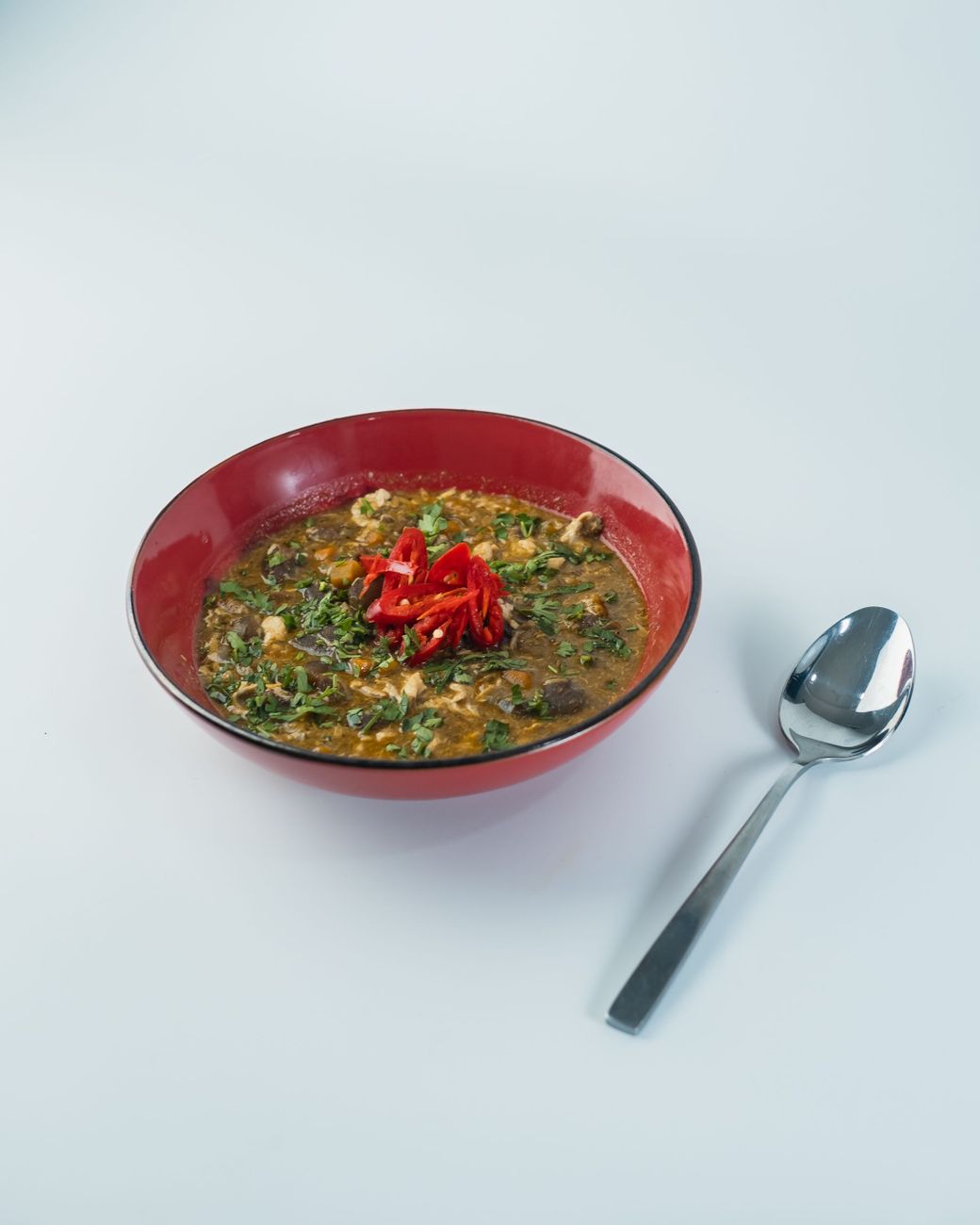
Oct 20, 2026What Makes Nigerian Spicy Dishes So Addictive: The Science of Heat and Umami
Nigerian spiced cooking combines two distinct peppers, slow-fried pastes, and umami-rich broths to build heat that feels complex rather than punishing. Learn which peppers matter, how technique shapes the heat, and why these dishes linger in memory.
culture
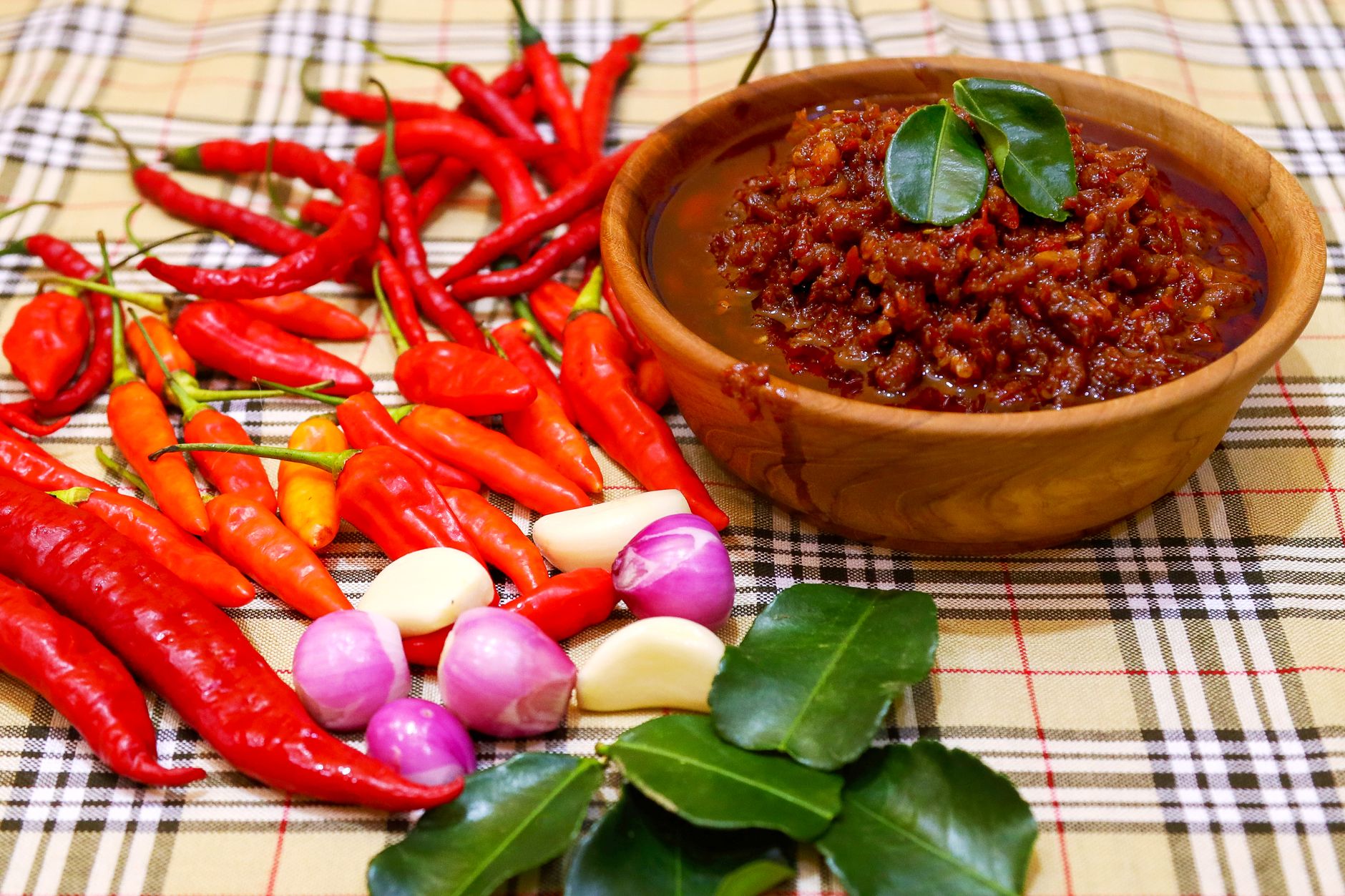
Oct 12, 2026What Malaysian Spicy Dishes Are Drawing Cooks Right Now
Malaysian heat builds in layers—through chile pastes, aromatics, and the way coconut milk carries spice. These dishes work because you can taste as you go, adjusting heat without losing the flavor underneath.
Background guides
Read the guide behind the technique
Learn more about the cooking techniques used here.
Community notes
Reader discussion is shared across recipes, reviews, and editorial pieces.
Comments are read-only while member sign-in is paused.