
FlamingFoodies recipe
Gochujang-Glazed Chicken Wings
Tender, glossy chicken wings coated in a mild gochujang glaze with sesame and garlic. The heat is gentle and rounded, never sharp—perfect for sharing without worry about tolerance gaps at the table.
Glossy, caramelized chicken wings brushed with a mild gochujang glaze, scattered with toasted sesame seeds and thin scallion rings, ready to eat with your hands.
Ingredients
Wings and Base
- 2.5 lbchicken wings, drumettes and flats separated, patted dry
- 1 tablespoonkosher salt
- 0.5 teaspoonblack pepper
- 1 tablespoonneutral oil
Gochujang Glaze
- 3 tablespoongochujang
- 2 tablespoonrice syrup or honey
- 1.5 tablespoonsoy sauce
- 1 tablespoonrice vinegar
- 4 clovegarlic, minced
- 1 teaspoongrated ginger
- 2 teaspoonsesame oil
Finish and Garnish
- 2 tablespoontoasted sesame seeds
- 2 stalkscallion, thinly sliced on the bias
Method
1. Dry and season the wings Use paper towels to pat the wings thoroughly dry—moisture keeps them from browning properly. Once dry, toss them in a bowl with kosher salt and black pepper. This simple step is what separates wings that stick to the pan from wings that develop a real, caramelized crust.
Watch for: The wings should look dry to the touch and evenly coated with seasoning
2. Whisk the gochujang glaze until smooth In a small bowl, combine gochujang, rice syrup, soy sauce, rice vinegar, minced garlic, ginger, and sesame oil. Whisk until the paste loosens and becomes a cohesive, pourable sauce with no lumps. Gochujang can be stubborn at first, but a few extra whisks will get you there. You want a thick, glossy sauce that's ready to cling to hot wings.
Watch for: The mixture should look smooth and glossy with no visible gochujang clumps
3. Brown the wings in two batches Heat the skillet over medium-high until the oil shimmers and moves easily across the surface. Add half the wings in a single layer—crowding the pan traps steam and prevents that golden-brown color you're after. Turn and stir every 3 to 4 minutes so each wing makes real contact with the hot pan. You're looking for golden color all over and an internal temperature of 165°F at the thickest part. This takes about 12 to 14 minutes per batch. Cook the second batch the same way.
Watch for: The wings should look golden-brown on all sides; meat pulls easily away from bone; juices run clear when pierced
4. Glaze and toss over medium heat Return all the cooked wings to the skillet if they're not already there. Pour the gochujang glaze over them and toss with a wooden spoon to coat every piece. Keep the heat at medium—you're warming and marrying the flavors, not burning the glaze. Stir constantly for 2 to 3 minutes until the glaze turns glossy, darkens slightly, and clings to the wings.
Watch for: The glaze should look shiny and caramelized; a spoon dragged through it should leave a momentary trail
5. Garnish and serve Transfer the glazed wings to a serving plate. Scatter toasted sesame seeds and thin-sliced scallion over the top right before serving. Both add texture and a light, fresh contrast to the rich, umami-forward glaze. These wings are good warm or at room temperature.
Watch for: Sesame seeds should be evenly distributed; scallion should be green and fresh-looking
Tip: If you're serving later, wait to garnish until just before eating so the sesame seeds stay crispy
Equipment
- Large cast-iron skillet or heavy-bottomed stainless steel pan
- Paper towels
- Small bowl for the glaze
- Whisk
- Wooden spoon or silicone spatula
- Meat thermometer (optional but helpful)
Make ahead
- Prepare the glaze up to 4 hours ahead and store it covered at room temperature—no refrigeration needed. The wings themselves taste best cooked and glazed within an hour of serving, but they'll hold at room temperature for up to 2 hours without losing much appeal. If you're prepping for a gathering, brown the wings up to 4 hours ahead, then reheat them gently in a 325°F oven for 8 to 10 minutes before glazing and serving.
Storage
- Store leftover wings in an airtight container in the refrigerator for up to 3 days. The glaze will firm up as it cools, which is fine. Don't freeze them—the texture of the wings suffers.
Reheat
- Reheat gently in a 325°F oven for 8 to 10 minutes until warmed through, or in a skillet over low heat for 2 to 3 minutes with a splash of water to loosen the glaze. Skip the microwave—it makes the skin rubbery. Add fresh sesame seeds and scallion just before serving.
Top tips
- Patting the wings dry is non-negotiable. Use paper towels generously—moisture on the surface keeps them from browning.
- If your gochujang is cold from the fridge, let it sit at room temperature for 10 minutes before whisking. It will incorporate much more easily.
- Don't skip the two-batch approach. Overcrowding the pan drops the temperature and steams the wings instead of browning them.
Substitutions
- Use honey instead of rice syrup; it will be slightly thicker and sweeter
- Swap ginger with a pinch of five-spice powder or white pepper if you don't have fresh ginger on hand
- Use tamari instead of soy sauce if you need a gluten-free version
Serve with
- Serve with cold beer, soju, or sparkling water to cut through the richness
- Pair with quick pickled radish or cucumber for acidity and crunch
- Set out plain steamed rice on the side for anyone who wants to eat wings over rice
Find another recipe
Open archive →Gochujang-Glazed Chicken Wings

Tender, glossy chicken wings coated in a mild gochujang glaze with sesame and garlic. The heat is gentle and rounded, never sharp—perfect for sharing without worry about tolerance gaps at the table.
Prep
15 min
Cook
35 min
Active
25 min
Total
50 min
Yield
4 servings
Share this
Pass it around
Send this page to a friend, copy the link, or save it to a Pinterest board.
Save for later
Pin this page
Save the image with a link back to this recipe, review, or article.
Recipe notes
Before you cook
Korean home cooks reach for gochujang when they want chilli warmth that tastes like comfort, not punishment. This glaze does exactly that: the fermented paste brings depth and umami, a little sweetness from rice syrup, and just enough heat to wake your palate without making anyone reach for milk. The wings come out sticky, burnished, and ready to disappear in minutes. Make them an hour ahead if you're hosting; they stay tender and the glaze sets properly. Serve them with cold beer, pickled radish, and good company.
Total time
50 min
Prep: 15 min. Cook: 35 min.
Yield
4 servings
The ingredient quantities below are for this yield.
Method
How to cook it
Use the step navigator to move around, or stay in cook mode and work top to bottom.
- 1
Step 1 of 5
Dry and season the wings
Use paper towels to pat the wings thoroughly dry—moisture keeps them from browning properly. Once dry, toss them in a bowl with kosher salt and black pepper. This simple step is what separates wings that stick to the pan from wings that develop a real, caramelized crust.
- 2
Step 2 of 5
Whisk the gochujang glaze until smooth
In a small bowl, combine gochujang, rice syrup, soy sauce, rice vinegar, minced garlic, ginger, and sesame oil. Whisk until the paste loosens and becomes a cohesive, pourable sauce with no lumps. Gochujang can be stubborn at first, but a few extra whisks will get you there. You want a thick, glossy sauce that's ready to cling to hot wings.
- 3
Step 3 of 5
Brown the wings in two batches
Heat the skillet over medium-high until the oil shimmers and moves easily across the surface. Add half the wings in a single layer—crowding the pan traps steam and prevents that golden-brown color you're after. Turn and stir every 3 to 4 minutes so each wing makes real contact with the hot pan. You're looking for golden color all over and an internal temperature of 165°F at the thickest part. This takes about 12 to 14 minutes per batch. Cook the second batch the same way.
- 4
Step 4 of 5
Glaze and toss over medium heat
Return all the cooked wings to the skillet if they're not already there. Pour the gochujang glaze over them and toss with a wooden spoon to coat every piece. Keep the heat at medium—you're warming and marrying the flavors, not burning the glaze. Stir constantly for 2 to 3 minutes until the glaze turns glossy, darkens slightly, and clings to the wings.
- 5
Step 5 of 5
Garnish and serve
Transfer the glazed wings to a serving plate. Scatter toasted sesame seeds and thin-sliced scallion over the top right before serving. Both add texture and a light, fresh contrast to the rich, umami-forward glaze. These wings are good warm or at room temperature.
Troubleshooting
Tips that matter
- Patting the wings dry is non-negotiable. Use paper towels generously—moisture on the surface keeps them from browning.
- If your gochujang is cold from the fridge, let it sit at room temperature for 10 minutes before whisking. It will incorporate much more easily.
- Don't skip the two-batch approach. Overcrowding the pan drops the temperature and steams the wings instead of browning them.
- Rice syrup gives a silkier, more authentic glaze than honey, but either works fine.
- Make the glaze up to 4 hours ahead and keep it covered at room temperature. Just whisk once before using.
- For a hands-off option, brown the wings on the stovetop for 8 to 10 minutes, finish them in a 400°F oven for the last 5 minutes, then glaze them. The stovetop method gives you more control, but the oven approach is less hands-on.
Substitutions and variations
Storage and leftovers
Plan ahead and reheat well
Make ahead
Prepare the glaze up to 4 hours ahead and store it covered at room temperature—no refrigeration needed. The wings themselves taste best cooked and glazed within an hour of serving, but they'll hold at room temperature for up to 2 hours without losing much appeal. If you're prepping for a gathering, brown the wings up to 4 hours ahead, then reheat them gently in a 325°F oven for 8 to 10 minutes before glazing and serving.
Storage
Store leftover wings in an airtight container in the refrigerator for up to 3 days. The glaze will firm up as it cools, which is fine. Don't freeze them—the texture of the wings suffers.
Reheat
Reheat gently in a 325°F oven for 8 to 10 minutes until warmed through, or in a skillet over low heat for 2 to 3 minutes with a splash of water to loosen the glaze. Skip the microwave—it makes the skin rubbery. Add fresh sesame seeds and scallion just before serving.
At the table
Serving suggestions
- Serve with cold beer, soju, or sparkling water to cut through the richness
- Pair with quick pickled radish or cucumber for acidity and crunch
- Set out plain steamed rice on the side for anyone who wants to eat wings over rice
- Include kimchi or other pickled vegetables for a traditional Korean table spread
- Serve at room temperature as part of a casual spread alongside other snacks
FAQ
Common questions
What's the difference between gochujang and gochugaru?
Gochujang is a thick, fermented paste made from red chillies, salt, and grain. Gochugaru is the same chillies dried and crushed into flakes. Gochujang gives the glaze its depth and body; gochugaru is too coarse and would make the glaze gritty. If you want extra heat, stir a small pinch of gochugaru into the finished glaze.
Can I make this in an oven instead of on the stovetop?
You can, but the results won't be quite as good. Brown the wings on the stovetop for 8 to 10 minutes first to get some color, then finish them in a 425°F oven for 15 to 20 minutes until cooked through. Toss with the glaze on the stovetop for the last 2 to 3 minutes, or brush the glaze on and give them 3 minutes in the oven. The stovetop method gives you a glossier, more even finish.
Is this recipe spicy?
No, it's mild. The gochujang brings gentle warmth and deep savory flavor, but it's balanced by sweetness from the rice syrup and umami from soy sauce. Most people who avoid spicy food will enjoy this. If you want more heat, add 0.5 teaspoon of gochugaru or a pinch of cayenne to the glaze.
Can I use chicken drumsticks or thighs instead of wings?
Yes. Drumsticks will need a few extra minutes to cook through—about 15 to 18 minutes instead of 12 to 14. Thighs work beautifully too and stay very tender. The glaze and cooking method stay the same; just adjust your timing based on the size of the pieces.
Why do my wings stick to the pan?
Either the pan isn't hot enough when you add the wings, or they're still a bit wet. Make sure the oil is shimmering before the wings hit the pan, and pat them completely dry first. Also, resist the urge to move them around in the first minute—let them develop a crust before you start stirring.
What's the best oil for this?
Use a neutral oil with a high smoke point: vegetable, canola, or grapeseed oil. Avoid olive oil, which will smoke and taste bitter at these temperatures, and skip butter, which burns too easily.
Heat profile
Mild heat
The recipe is classified as mild. Adjust the chile quantity to your preference.
Skill level
Beginner
Read the ingredient list and method before you start.
Total time
50 min
Prep: 15 min. Cook: 35 min.
Yield
4 servings
The ingredient quantities below are for this yield.
Cook this with
Three useful buys before you start
A sauce, a pantry ingredient, and a kitchen tool to consider for this dish.
Sauce
Los Calientes Rojo
Heatonist · Best for tacos
It brings enough heat to cut through the richer bites without flattening the rest of the dish.
Get the sauce used herePantry
Chung Jung One Gochujang Paste
Flavor builder
Layered heat with umami. Fermented chili paste for noodles, wings, marinades, and that sweet-savory Korean backbone.
Grab the pantry stapleGear
Fermentation Jar Kit
DIY hot sauce
Homemade sauce projects. A clean starter kit for building fermented hot sauces and pepper mash at home.
Use this toolPair this with
The right bottle for this recipe
These sauce picks are matched to the dish itself, not dropped in at random. Use them to finish, sharpen, or push the heat where it helps.
Los Calientes Rojo
It brings enough heat to cut through the richer bites without flattening the rest of the dish.
Heatonist Los Calientes Rojo: flavor notes, heat level, and suggested food pairings.
Yellowbird Habanero
It brings enough heat to cut through the richer bites without flattening the rest of the dish.
A bright, carrot-forward bottle with enough heat to stay lively and enough sweetness to stay versatile.
Shop the pantry
Pantry staples for this recipe
Flavor builder
$8-$15Chung Jung One Gochujang Paste
Layered heat with umami. Fermented chili paste for noodles, wings, marinades, and that sweet-savory Korean backbone.
Check price on AmazonChar-ready marinade
$8-$14Nando's Medium Peri-Peri Sauce
Chicken, skewers, and grilled vegetables. The bottle to grab when chicken needs acid, garlic, and real heat before it hits the grill or broiler.
Check price on AmazonClean chile hit
$7-$12Huy Fong Sambal Oelek
Fried rice, noodles, and spicy sauces. Straight chili paste for fried rice, noodle sauces, mayo mixes, and dishes that want heat without sweetness.
Check price on AmazonRecommended equipment
Cooking tools
DIY hot sauce
$20-$35Fermentation Jar Kit
Homemade sauce projects. A clean starter kit for building fermented hot sauces and pepper mash at home.
Check price on AmazonMeal-prep anchor
$30-$60Compact Rice Cooker
Bowls, fried rice, and weekly meal prep. A simple countertop win for rice bowls, congee, spicy fried rice, and the carb base that makes leftovers useful.
Check price on AmazonCook next
More recipes with similar heat
These are the next recipes most likely to fit the same mood, pantry, or heat level once this one is in your rotation.

korean · reaper
May 10, 2026Reaper Gochujang Wings with Sesame Scallions
Korean-style chicken wings glazed with a ferociously hot gochujang sauce spiked with Carolina Reaper powder, finished with toasted sesame oil and fresh scallions. 65 min · 0 saves.
korean · hot
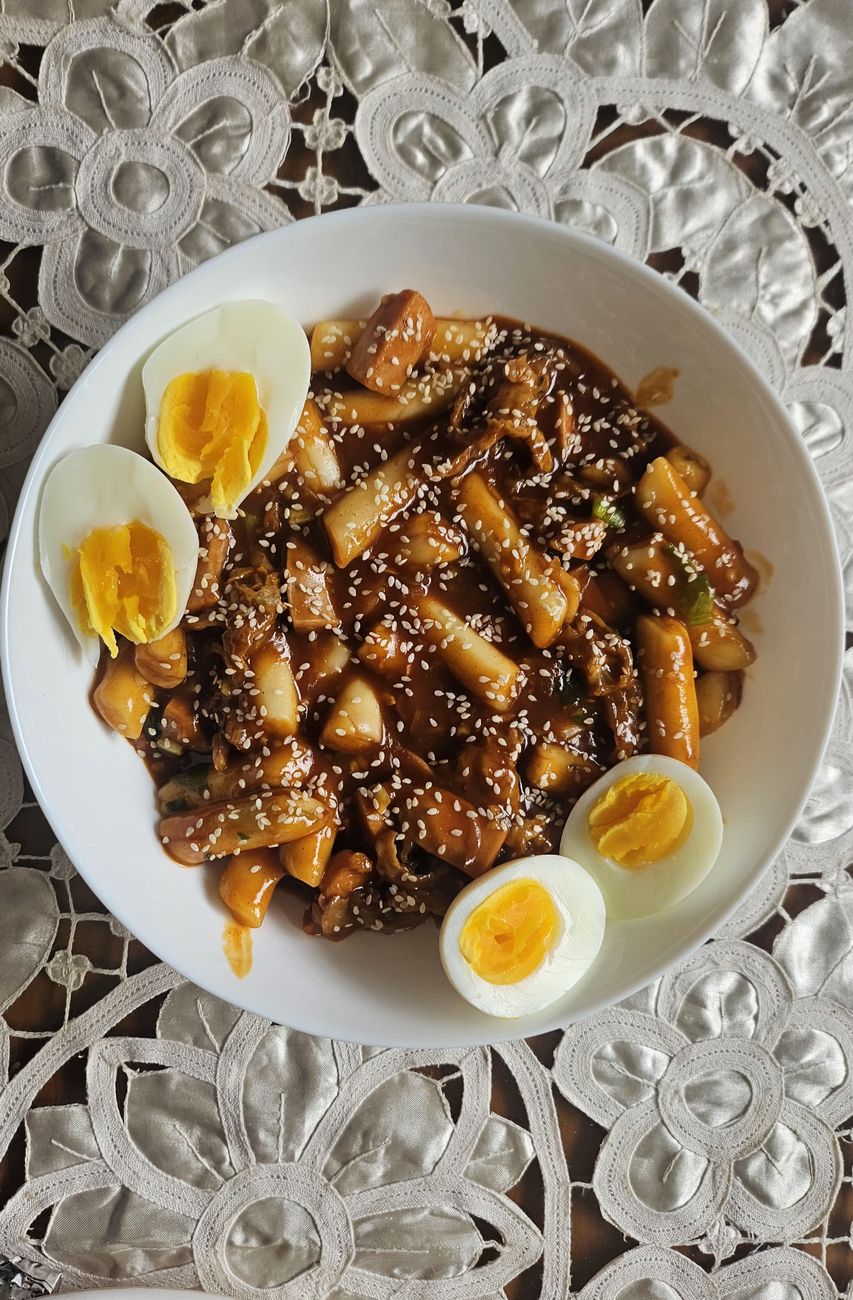
Apr 15, 2026Buldak Tteokbokki with Extra Gochujang and Fresh Chilies
Chewy rice cakes bathed in a deeply spicy sauce that layers gochujang, Korean chili flakes, and fresh habaneros for the kind of heat that makes you reach for more. 35 min · 0 saves.

korean · reaper
May 31, 2026Korean Fire Chicken Burger with Carolina Reaper Gochujang
A Korean-style fried chicken burger featuring Carolina Reaper-infused gochujang glaze and pickled daikon slaw on a toasted brioche bun 70 min · 0 saves.
FlamingFoodies picks
Pantry, gear, and bottle picks that fit this meal
Cookout all-rounder
Secret Aardvark Habanero Sauce
One of the easiest all-purpose bottles for tacos, burgers, breakfast potatoes, and fast dinners that need a save. Best for burgers, breakfast potatoes, and taco nights.
View on AmazonKitchen staple
12-Inch Cast Iron Skillet
The sear-and-char pan for smash burgers, fajitas, cornbread, and anything that likes hard edges. Best for weeknight proteins and pan sauces.
View on AmazonFrom the blog
More about this dish
Read more about the ingredients and cuisine.

culture
May 1, 2026Beyond Kimchi: Korean Spicy Dishes Taking Over Tables Right Now
Korean heat goes so much deeper than kimchi and gochujang. From sticky-sweet fire chicken to those impossibly addictive rice cakes, these dishes reveal why Korean spice mastery has completely won us over.

culture
Apr 22, 2026Five Korean Spicy Dishes That Are Changing How We Crave Heat
Korean spicy food doesn't just burn—it builds layers of heat that keep drawing you back for more. These five dishes show why fermented fire and gochujang glazes create the kind of cravings that make you rethink everything you thought you knew about spice.
Background guides
Read the guide behind the technique
Learn more about the cooking techniques used here.
Community notes
Reader discussion is shared across recipes, reviews, and editorial pieces.
Comments are read-only while member sign-in is paused.