
FlamingFoodies recipe
Yakitori with Togarashi Glaze
Grilled chicken thigh skewers finished with a soy-mirin glaze and topped with togarashi, a Japanese seven-spice blend that brings gentle warmth without heat. The high-heat cooking builds char while boneless thighs stay tender inside.
Charred chicken thighs on skewers, glazed with a soy-mirin reduction and ginger, finished with togarashi, sesame, and scallion.
Ingredients
Glaze
- 1/3 cupsoy sauce
- 3 tbspmirin, Japanese sweet rice wine
- 1 tbspsugar
- 2 tspgrated ginger, fresh, peeled
- 1 clovegarlic, minced
Method
1. Make the glaze Combine soy sauce, mirin, sugar, ginger, and garlic in a small saucepan over medium heat. Stir until the sugar dissolves, about 2 minutes. Simmer for 3–4 minutes until the liquid reduces by about a quarter and coats the back of a spoon.
Watch for: The surface should shimmer and a thin line drawn through it with a spoon should briefly hold its shape.
Tip: Do not boil vigorously or the glaze will concentrate too much and turn cloying.
2. Thread the skewers Arrange soaked skewers on a work surface. Alternate chicken pieces and scallion pieces on each skewer, starting and ending with chicken. Thread the meat and scallions loosely so heat circulates around them. Leave about 1 inch uncovered at each end for handling.
Watch for: Each skewer should hold 5–6 chicken pieces and 2–3 scallion pieces.
Tip: Boneless thighs stay moist during high-heat grilling; breast meat is more prone to drying out.
3. Grill or broil the skewers Heat a grill or grill pan to high heat, or position a broiler rack 4 inches from the flame. Oil the grates or pan lightly. Place the skewers directly on the grates or pan and cook for 5–6 minutes on the first side without moving them. You should hear a sizzle and see char marks within the first minute. Flip and cook the other side for 4–5 minutes.
Watch for: Look for dark caramelized patches on the chicken surface and a slight pull when you pierce the largest piece with a knife. Pierce to check for clear juices.
Tip: Let the skewers sit undisturbed to build char. Resist moving them around the grill.
4. Glaze and finish In the final 1–2 minutes of cooking, brush the glaze over the skewers on both sides using a pastry brush or small spoon, turning to coat evenly. The glaze will caramelize slightly and cling to the char. Transfer the skewers to a serving platter. Sprinkle togarashi over the top, then scatter sesame seeds and scallion greens across all the skewers.
Watch for: The glaze should look dark, sticky, and slightly glossy on the chicken.
Tip: Add the togarashi after cooking so its delicate citrus notes and warmth are not muted by prolonged heat.
Equipment
- Grill or grill pan, or broiler
- Small saucepan
- Pastry brush or small spoon
- Meat thermometer (optional)
- Wooden skewers
Make ahead
- Prepare the glaze up to 2 days ahead and refrigerate. Thread the skewers up to 4 hours ahead, cover with plastic wrap, and refrigerate until grilling. Glaze only in the final moments of cooking.
Storage
- Leftovers keep in an airtight container in the refrigerator for 2 days. The chicken will firm and the glaze will set.
Reheat
- Place leftover skewers on a sheet pan, cover loosely with foil, and warm in a 350°F oven for 5–7 minutes. Alternatively, place in a dry skillet over medium-low heat for 3–4 minutes, turning once. Do not microwave; it will turn the texture rubbery.
Top tips
- Soak wooden skewers in water for at least 30 minutes before cooking to prevent charring.
- If using an indoor grill pan, work in batches to avoid overcrowding and losing heat.
- Toast sesame seeds in a dry pan for 1–2 minutes before garnishing to deepen their nutty flavor.
Substitutions
- Replace togarashi with sancho pepper (Japanese Sichuan pepper) for a slightly numbing citrus note.
- Swap mirin for a mixture of 1 tablespoon honey and 1 teaspoon water if mirin is unavailable.
- Use boneless pork shoulder or beef sirloin instead of chicken; increase cooking time by 2–3 minutes.
Serve with
- Serve with steamed white rice to catch the glaze drippings.
- Pair with a simple cucumber and shiso salad dressed with rice vinegar and a touch of sesame oil.
- Serve as part of a yakitori spread with grilled chicken wings or meatballs.
Find another recipe
Open archive →Yakitori with Togarashi Glaze

Grilled chicken thigh skewers finished with a soy-mirin glaze and topped with togarashi, a Japanese seven-spice blend that brings gentle warmth without heat. The high-heat cooking builds char while boneless thighs stay tender inside.
Prep
20 min
Cook
15 min
Active
30 min
Total
35 min
Yield
4 servings
Share this
Pass it around
Send this page to a friend, copy the link, or save it to a Pinterest board.
Save for later
Pin this page
Save the image with a link back to this recipe, review, or article.
Recipe notes
Before you cook
Yakitori depends on high heat to char the surface while the meat stays moist beneath. Togarashi—a balanced mix of chilli, sesame, nori, and citrus—seasons the glaze without overwhelming; it's welcoming across any table. The glaze itself matters as much as the spice: a quick soy-mirin reduction that clings to char and caramelizes in the final minutes.
Total time
35 min
Prep: 20 min. Cook: 15 min.
Yield
4 servings
The ingredient quantities below are for this yield.
Method
How to cook it
Use the step navigator to move around, or stay in cook mode and work top to bottom.
- 1
Step 1 of 4
Make the glaze
Combine soy sauce, mirin, sugar, ginger, and garlic in a small saucepan over medium heat. Stir until the sugar dissolves, about 2 minutes. Simmer for 3–4 minutes until the liquid reduces by about a quarter and coats the back of a spoon.
- 2
Step 2 of 4
Thread the skewers
Arrange soaked skewers on a work surface. Alternate chicken pieces and scallion pieces on each skewer, starting and ending with chicken. Thread the meat and scallions loosely so heat circulates around them. Leave about 1 inch uncovered at each end for handling.
- 3
Step 3 of 4
Grill or broil the skewers
Heat a grill or grill pan to high heat, or position a broiler rack 4 inches from the flame. Oil the grates or pan lightly. Place the skewers directly on the grates or pan and cook for 5–6 minutes on the first side without moving them. You should hear a sizzle and see char marks within the first minute. Flip and cook the other side for 4–5 minutes.
- 4
Step 4 of 4
Glaze and finish
In the final 1–2 minutes of cooking, brush the glaze over the skewers on both sides using a pastry brush or small spoon, turning to coat evenly. The glaze will caramelize slightly and cling to the char. Transfer the skewers to a serving platter. Sprinkle togarashi over the top, then scatter sesame seeds and scallion greens across all the skewers.
Troubleshooting
Tips that matter
- Soak wooden skewers in water for at least 30 minutes before cooking to prevent charring.
- If using an indoor grill pan, work in batches to avoid overcrowding and losing heat.
- Toast sesame seeds in a dry pan for 1–2 minutes before garnishing to deepen their nutty flavor.
Substitutions and variations
Storage and leftovers
Plan ahead and reheat well
Make ahead
Prepare the glaze up to 2 days ahead and refrigerate. Thread the skewers up to 4 hours ahead, cover with plastic wrap, and refrigerate until grilling. Glaze only in the final moments of cooking.
Storage
Leftovers keep in an airtight container in the refrigerator for 2 days. The chicken will firm and the glaze will set.
Reheat
Place leftover skewers on a sheet pan, cover loosely with foil, and warm in a 350°F oven for 5–7 minutes. Alternatively, place in a dry skillet over medium-low heat for 3–4 minutes, turning once. Do not microwave; it will turn the texture rubbery.
At the table
Serving suggestions
- Serve with steamed white rice to catch the glaze drippings.
- Pair with a simple cucumber and shiso salad dressed with rice vinegar and a touch of sesame oil.
- Serve as part of a yakitori spread with grilled chicken wings or meatballs.
- Accompany with pickled ginger (gari) and cold beer.
FAQ
Common questions
Is togarashi very spicy?
No. Togarashi is a balanced seven-spice blend (chilli, sesame, nori, poppy seed, hemp seed, citrus zest, and salt) that delivers gentle warmth and nutty umami rather than heat. It is mild enough for most tables while still adding layered flavor.
Can I cook these on a stovetop if I don't have a grill?
Yes. Use a grill pan, cast iron skillet, or heavy stainless steel pan over high heat. Cast iron retains heat best and produces the most pronounced browning.
How do I know when the chicken is done without cutting into it?
Pierce the thickest piece with a metal skewer or thin knife; the meat should feel firm and any juices that run out should be clear, not pink. The internal temperature should read 165°F at the thickest point. Thighs are forgiving and stay moist well above this temperature.
What if the glaze burns before the chicken is cooked?
Apply the glaze only in the last 1–2 minutes of cooking. If you brush it on too early, it will char and turn bitter. You can always brush on a second coat just before serving if the first application is light.
Heat profile
Mild heat
The recipe is classified as mild. Adjust the chile quantity to your preference.
Skill level
Intermediate
Check the method for steps that need to be prepared at the same time.
Total time
35 min
Prep: 20 min. Cook: 15 min.
Yield
4 servings
The ingredient quantities below are for this yield.
Cook this with
Three useful buys before you start
A sauce, a pantry ingredient, and a kitchen tool to consider for this dish.
Sauce
Los Calientes Rojo
Heatonist · Best for tacos
It brings enough heat to cut through the richer bites without flattening the rest of the dish.
Get the sauce used herePantry
Harissa Paste
Roast-anything helper
Roasts, braises, and yogurt sauces. The smoky-chili shortcut for roast carrots, meatballs, chicken thighs, and yogurt sauces that need a little menace.
Grab the pantry stapleGear
Instant-Read Meat Thermometer
Never overcook it
Grilling, roasting, and high-value proteins. The low-drama upgrade for grilled chicken, roast salmon, burgers, steaks, and serious meal prep.
Use this toolPair this with
The right bottle for this recipe
These sauce picks are matched to the dish itself, not dropped in at random. Use them to finish, sharpen, or push the heat where it helps.
Los Calientes Rojo
It brings enough heat to cut through the richer bites without flattening the rest of the dish.
Heatonist Los Calientes Rojo: flavor notes, heat level, and suggested food pairings.
Yellowbird Habanero
It brings enough heat to cut through the richer bites without flattening the rest of the dish.
A bright, carrot-forward bottle with enough heat to stay lively and enough sweetness to stay versatile.
Shop the pantry
Pantry staples for this recipe
Roast-anything helper
$8-$15Harissa Paste
Roasts, braises, and yogurt sauces. The smoky-chili shortcut for roast carrots, meatballs, chicken thighs, and yogurt sauces that need a little menace.
Check price on AmazonBackyard hero
$8-$14Jerk Seasoning
Chicken, shrimp, and grilling marinades. A fast flavor base for shrimp skewers, chicken thighs, grilled corn, and any cookout that needs more swagger.
Check price on AmazonChar-ready marinade
$8-$14Nando's Medium Peri-Peri Sauce
Chicken, skewers, and grilled vegetables. The bottle to grab when chicken needs acid, garlic, and real heat before it hits the grill or broiler.
Check price on AmazonRecommended equipment
Cooking tools
Never overcook it
$15-$35Instant-Read Meat Thermometer
Grilling, roasting, and high-value proteins. The low-drama upgrade for grilled chicken, roast salmon, burgers, steaks, and serious meal prep.
Check price on AmazonMeal-prep anchor
$30-$60Compact Rice Cooker
Bowls, fried rice, and weekly meal prep. A simple countertop win for rice bowls, congee, spicy fried rice, and the carb base that makes leftovers useful.
Check price on AmazonCook next
More recipes with similar heat
These are the next recipes most likely to fit the same mood, pantry, or heat level once this one is in your rotation.

japanese · hot
Jun 11, 2026Charred Chicken Yakitori with Habanero-Sansho Tare
Tender chicken thighs kissed by flames and painted with a fiery glaze that brings together habanero's fruity heat, sansho pepper's electric tingle, and the deep soul of red miso. 45 min · 0 saves.

japanese · medium
Jun 7, 2026Spicy Karaage Chicken Rice Bowl with Togarashi Mayo
Crispy Japanese fried chicken glazed with sweet-spicy sauce over seasoned rice, topped with crunchy vegetables and creamy togarashi mayo. 40 min · 0 saves.

japanese · inferno
May 14, 2026Grilled Chicken Yakitori with Trinidad Moruga Tare
Traditional Japanese yakitori meets serious heat in this grilled chicken recipe, where a glossy tare made with Trinidad Moruga peppers caramelizes into layers of fiery, umami-rich flavor over live coals. 45 min · 0 saves.
FlamingFoodies picks
Pantry, gear, and bottle picks that fit this meal
Pitmaster starter
BBQ Rub Gift Set
A clean route into grilling gifts, especially for people who care more about cookouts than novelty heat stunts. Best for grilling gifts and backyard cooks.
View on AmazonKitchen staple
12-Inch Cast Iron Skillet
The sear-and-char pan for smash burgers, fajitas, cornbread, and anything that likes hard edges. Best for weeknight proteins and pan sauces.
View on AmazonFrom the blog
More about this dish
Read more about the ingredients and cuisine.
science
Oct 9, 2026Why Japanese Spicy Dishes Have Become Impossible to Put Down
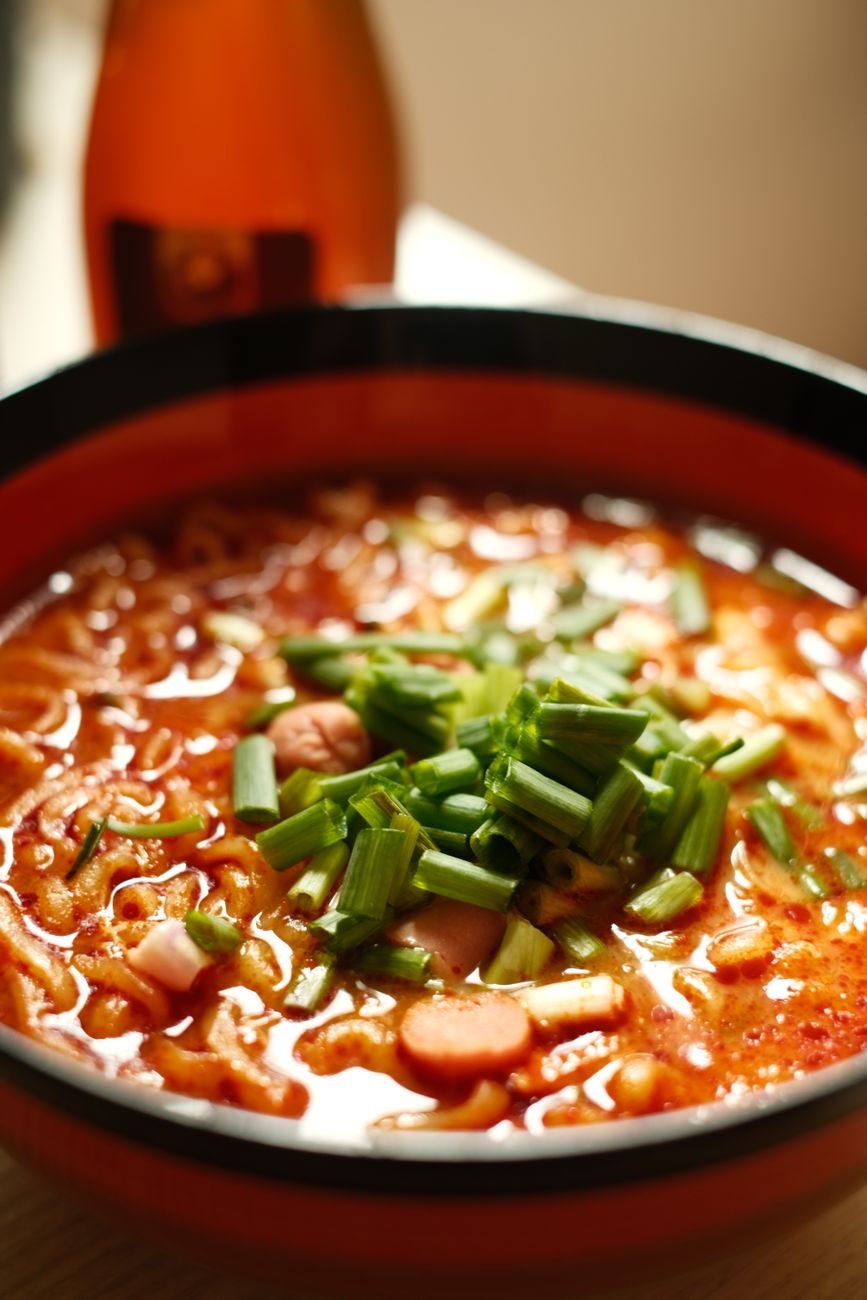
Japanese cooks have long used chili as an accent, but the current wave of spicy dishes—ramen, miso-based bowls, karaage—works because heat is layered with umami, fat, and salt. Learn how capsaicin behaves in oil versus broth, why rayu (chili oil) builds flavor rather than just fire, and how multiple applications of heat keep a dish craveable instead of numbing.

science
May 31, 2026Miso, Sesame, and Fermented Chili Pastes in Japanese-Inspired Dishes
Miso, sesame, dashi, and fermented chili pastes provide a savory base for Japanese-inspired noodle bowls and other spicy dishes.
Background guides
Read the guide behind the technique
Learn more about the cooking techniques used here.
Community notes
Reader discussion is shared across recipes, reviews, and editorial pieces.
Comments are read-only while member sign-in is paused.