
FlamingFoodies recipe
Thai Gaeng Phed Gai with Carolina Reaper
A fiery red curry with chicken, built on roasted Carolina Reaper peppers, coconut milk, and fish sauce. The heat arrives in waves—sharp from fresh peppers, deep from the paste, and lingering from the long braise. Saucy and spoonable, it mellows slightly as it sits.
Chicken braised in a saucy red curry built from roasted Carolina Reaper peppers, coconut milk, and fish sauce. The heat is measured and scalable; reducing the peppers by half still yields a significant curry.
Ingredients
For the recipe
- 2 dried Carolina Reaper peppersdried Carolina Reaper peppers, stems and seeds removed; reduce to 1 for less heat
- 2 fresh long red chillisfresh long red chillis, seeds optional; include seeds for full heat
- 3 clovesgarlic
- 1 tablespoonfresh ginger, minced
- 2 stalkslemongrass, white part only, sliced thin, or 1 teaspoon lemongrass powder
- 1 teaspooncoriander seeds, toasted
- ½ teaspooncumin seeds, toasted
- 1 teaspoonshrimp paste, or fish sauce
- 600 gramsboneless, skinless chicken thighs, cut into 1½-inch pieces, thighs hold heat better than breast
- 1 can (400 ml)coconut milk, full-fat
- 200 mlchicken stock
- 1 tablespoonfish sauce
- 1 tablespoonpalm sugar or brown sugar
- 2 cupsThai eggplant, halved, or Japanese eggplant cut into chunks; optional
- 4-5 leavesfresh Thai basil, or ordinary basil
Method
1. Toast and grind the spice base Heat a dry skillet over medium-high heat. Add the coriander and cumin seeds; cook for 1–2 minutes, stirring constantly, until fragrant. Tip into a mortar or spice grinder and grind to a coarse powder. Set aside. If using dried Reaper peppers, soak them in hot water for 5 minutes to soften, then drain.
Watch for: Spices smell warm and toasted, not burnt.
2. Make the curry paste In a mortar, pound the softened dried reapers, fresh red chillis, garlic, ginger, and lemongrass into a rough paste, 4–6 minutes. Add the ground coriander and cumin, shrimp paste, and a pinch of salt. Continue pounding until the mixture is relatively smooth but still has visible texture. The paste will be deep red and fragrant.
Watch for: Paste holds together when pressed but isn't completely uniform.
3. Bloom the paste and chicken Heat 2 tablespoons of the coconut milk in a heavy pot or deep skillet over medium-high heat. Add the curry paste and stir constantly for 2–3 minutes until it darkens slightly and smells deeply fragrant. Add the chicken pieces and toss to coat. Cook for another 2 minutes, stirring, until the chicken is partly opaque on the surface.
Watch for: Paste darkens and no longer smells raw; chicken loses its raw sheen.
4. Braise in coconut milk and stock Pour in the remaining coconut milk and the stock. Add fish sauce and palm sugar, stirring to dissolve the sugar. Bring to a simmer over medium heat, then reduce to low. Simmer gently, uncovered, for 20–25 minutes, stirring occasionally. If using eggplant, add it in the last 8 minutes. The chicken is done when it is tender and easily broken with a spoon, and the sauce has thickened slightly and coats the back of a spoon.
Watch for: Chicken flakes apart when pressed; sauce reduces and darkens; eggplant is soft when pierced.
5. Finish with basil Remove from heat and tear the Thai basil into the curry. Taste and adjust with extra fish sauce (for depth) or a pinch of sugar (to balance heat). Serve hot with jasmine rice.
Tip: Do not boil the curry after adding basil, as heat will destroy its fragrance.
Equipment
- heavy pot or deep skillet
- mortar and pestle (or spice grinder for the seeds)
- measuring spoons and cups
- knife and cutting board
- wooden spoon
Make ahead
- The curry paste keeps for 2 days in the fridge in an airtight container. The finished curry improves after 1 day, as the heat settles and the flavors deepen. Reheat gently over low heat on the stovetop, or in a microwave-safe container at 50% power, stirring occasionally.
Storage
- Store the finished curry in an airtight container in the fridge for up to 3 days. The sauce will thicken as it cools; thin with a splash of stock or coconut milk when reheating if needed.
Reheat
- Reheat on the stovetop over low heat, stirring occasionally, until simmering. Add a splash of water or stock if the sauce has thickened too much. Do not boil, as this can make the curry taste harsh.
Top tips
- Make the curry paste up to 2 days ahead; store in an airtight container in the fridge.
Substitutions
- Habanero or Scotch bonnet peppers can replace Carolina Reapers for a slightly lower heat level and fruity notes.
- Galangal (1 teaspoon sliced) can be added alongside ginger for a peppery, pine-like note.
- Ordinary long red chillis can be used instead of Reapers, but the heat will be significantly lower; use 4–5 fresh and 3–4 dried.
Serve with
- Serve over jasmine rice or with sticky rice.
- Offer condiments on the side: lime wedges, fresh Thai basil, sliced fresh chillis, and fish sauce.
- Accompany with a cucumber salad (ajad) or blanched leafy greens seasoned with garlic and fish sauce to cool the palate.
Find another recipe
Open archive →Thai Gaeng Phed Gai with Carolina Reaper

A fiery red curry with chicken, built on roasted Carolina Reaper peppers, coconut milk, and fish sauce. The heat arrives in waves—sharp from fresh peppers, deep from the paste, and lingering from the long braise. Saucy and spoonable, it mellows slightly as it sits.
Prep
20 min
Cook
35 min
Active
25 min
Total
55 min
Yield
4 servings
Share this
Pass it around
Send this page to a friend, copy the link, or save it to a Pinterest board.
Save for later
Pin this page
Save the image with a link back to this recipe, review, or article.
Peppers in this recipe
Recipe notes
Before you cook
Gaeng phed gai is Thailand's most direct curry: red chillis ground into a paste with aromatics, bloomed in coconut cream, then simmered with chicken until the sauce clings to each piece. This version uses Carolina Reaper peppers for sustained, intense heat that builds rather than merely burns. The curry improves after a day in the fridge, when the chilli intensity settles into a more complex warmth.
Total time
55 min
Prep: 20 min. Cook: 35 min.
Yield
4 servings
The ingredient quantities below are for this yield.
Method
How to cook it
Use the step navigator to move around, or stay in cook mode and work top to bottom.
- 1
Step 1 of 5
Toast and grind the spice base
Heat a dry skillet over medium-high heat. Add the coriander and cumin seeds; cook for 1–2 minutes, stirring constantly, until fragrant. Tip into a mortar or spice grinder and grind to a coarse powder. Set aside. If using dried Reaper peppers, soak them in hot water for 5 minutes to soften, then drain.
- 2
Step 2 of 5
Make the curry paste
In a mortar, pound the softened dried reapers, fresh red chillis, garlic, ginger, and lemongrass into a rough paste, 4–6 minutes. Add the ground coriander and cumin, shrimp paste, and a pinch of salt. Continue pounding until the mixture is relatively smooth but still has visible texture. The paste will be deep red and fragrant.
- 3
Step 3 of 5
Bloom the paste and chicken
Heat 2 tablespoons of the coconut milk in a heavy pot or deep skillet over medium-high heat. Add the curry paste and stir constantly for 2–3 minutes until it darkens slightly and smells deeply fragrant. Add the chicken pieces and toss to coat. Cook for another 2 minutes, stirring, until the chicken is partly opaque on the surface.
- 4
Step 4 of 5
Braise in coconut milk and stock
Pour in the remaining coconut milk and the stock. Add fish sauce and palm sugar, stirring to dissolve the sugar. Bring to a simmer over medium heat, then reduce to low. Simmer gently, uncovered, for 20–25 minutes, stirring occasionally. If using eggplant, add it in the last 8 minutes. The chicken is done when it is tender and easily broken with a spoon, and the sauce has thickened slightly and coats the back of a spoon.
- 5
Step 5 of 5
Finish with basil
Remove from heat and tear the Thai basil into the curry. Taste and adjust with extra fish sauce (for depth) or a pinch of sugar (to balance heat). Serve hot with jasmine rice.
Troubleshooting
Tips that matter
- Make the curry paste up to 2 days ahead; store in an airtight container in the fridge.
Substitutions and variations
Storage and leftovers
Plan ahead and reheat well
Make ahead
The curry paste keeps for 2 days in the fridge in an airtight container. The finished curry improves after 1 day, as the heat settles and the flavors deepen. Reheat gently over low heat on the stovetop, or in a microwave-safe container at 50% power, stirring occasionally.
Storage
Store the finished curry in an airtight container in the fridge for up to 3 days. The sauce will thicken as it cools; thin with a splash of stock or coconut milk when reheating if needed.
Reheat
Reheat on the stovetop over low heat, stirring occasionally, until simmering. Add a splash of water or stock if the sauce has thickened too much. Do not boil, as this can make the curry taste harsh.
At the table
Serving suggestions
- Serve over jasmine rice or with sticky rice.
- Offer condiments on the side: lime wedges, fresh Thai basil, sliced fresh chillis, and fish sauce.
- Accompany with a cucumber salad (ajad) or blanched leafy greens seasoned with garlic and fish sauce to cool the palate.
FAQ
Common questions
Is this curry really that hot?
Carolina Reaper peppers rank around 1,400,000–2,200,000 Scoville Heat Units. This curry is fiercely hot when made as written, with heat that lingers for 10–15 minutes. If you are not accustomed to extreme heat, start with half the dried Reaper and no fresh Reaper seeds, then adjust upward. The recipe works well at all heat levels.
Can I use red curry paste from a jar instead of making my own?
Yes, but the Reaper heat will not be present. Use 3 tablespoons of shop-bought red curry paste in place of the homemade paste, and add 1 finely minced fresh Reaper pepper directly to the coconut milk in step 4 if you want the extreme heat. This changes the flavor profile but is a time-saving option.
Why use chicken thighs instead of breast?
Thighs remain moist and tender during the 20–25 minute simmer, while breast can dry out and become stringy. If you prefer breast meat, reduce the cooking time to 15–18 minutes and check for doneness earlier.
The curry tastes too hot. What can I do?
Add more coconut milk to dilute the heat while keeping the sauce saucy, or stir in a spoonful of palm sugar and fish sauce to balance the burn. Serve with plain jasmine rice or cucumber salad to cool the palate. Do not add water, as it will thin the sauce and make the heat more pronounced.
Can I freeze this curry?
Yes. Cool the curry completely, then transfer to a freezer-safe container. It will keep for up to 3 months. Thaw in the fridge overnight and reheat gently on the stovetop. The texture remains good, though the herbs will lose some vibrancy.
Heat profile
Extremely hot
The recipe is classified as reaper-level heat. Measure hot sauces and chiles carefully.
Skill level
Intermediate
Check the method for steps that need to be prepared at the same time.
Total time
55 min
Prep: 20 min. Cook: 35 min.
Yield
4 servings
The ingredient quantities below are for this yield.
Cook this with
Three useful buys before you start
A sauce, a pantry ingredient, and a kitchen tool to consider for this dish.
Sauce
Torchbearer Garlic Reaper
Torchbearer · Best for wings
It brings enough heat to cut through the richer bites without flattening the rest of the dish.
Get the sauce used herePantry
Harissa Paste
Roast-anything helper
Roasts, braises, and yogurt sauces. The smoky-chili shortcut for roast carrots, meatballs, chicken thighs, and yogurt sauces that need a little menace.
Grab the pantry stapleGear
Compact Rice Cooker
Meal-prep anchor
Bowls, fried rice, and weekly meal prep. A simple countertop win for rice bowls, congee, spicy fried rice, and the carb base that makes leftovers useful.
Use this toolPair this with
The right bottle for this recipe
These sauce picks are matched to the dish itself, not dropped in at random. Use them to finish, sharpen, or push the heat where it helps.
Torchbearer Garlic Reaper
It brings enough heat to cut through the richer bites without flattening the rest of the dish.
An extremely hot garlic-forward sauce that somehow keeps real flavor structure under all that reaper pressure.
Yellowbird Habanero
Use this when you want a brighter finishing hit next to the deeper flavors already built into thai gaeng phed gai with carolina reaper.
A bright, carrot-forward bottle with enough heat to stay lively and enough sweetness to stay versatile.
Shop the pantry
Pantry staples for this recipe
Roast-anything helper
$8-$15Harissa Paste
Roasts, braises, and yogurt sauces. The smoky-chili shortcut for roast carrots, meatballs, chicken thighs, and yogurt sauces that need a little menace.
Check price on AmazonClean chile hit
$7-$12Huy Fong Sambal Oelek
Fried rice, noodles, and spicy sauces. Straight chili paste for fried rice, noodle sauces, mayo mixes, and dishes that want heat without sweetness.
Check price on AmazonTexture hit
$10-$16Crunchy Chili Crisp
Finishing bowls and dumplings. Crunch, oil, and lingering heat for dumplings, eggs, noodles, and roasted vegetables.
Check price on AmazonRecommended equipment
Cooking tools
Meal-prep anchor
$30-$60Compact Rice Cooker
Bowls, fried rice, and weekly meal prep. A simple countertop win for rice bowls, congee, spicy fried rice, and the carb base that makes leftovers useful.
Check price on AmazonFast heat
$35-$70Carbon Steel Wok
High-heat noodles and fried rice. Built for smoky stir-fries, chili oil noodles, and any dinner that needs real burner contact.
Check price on AmazonCook next
More recipes with similar heat
These are the next recipes most likely to fit the same mood, pantry, or heat level once this one is in your rotation.
thai · mild
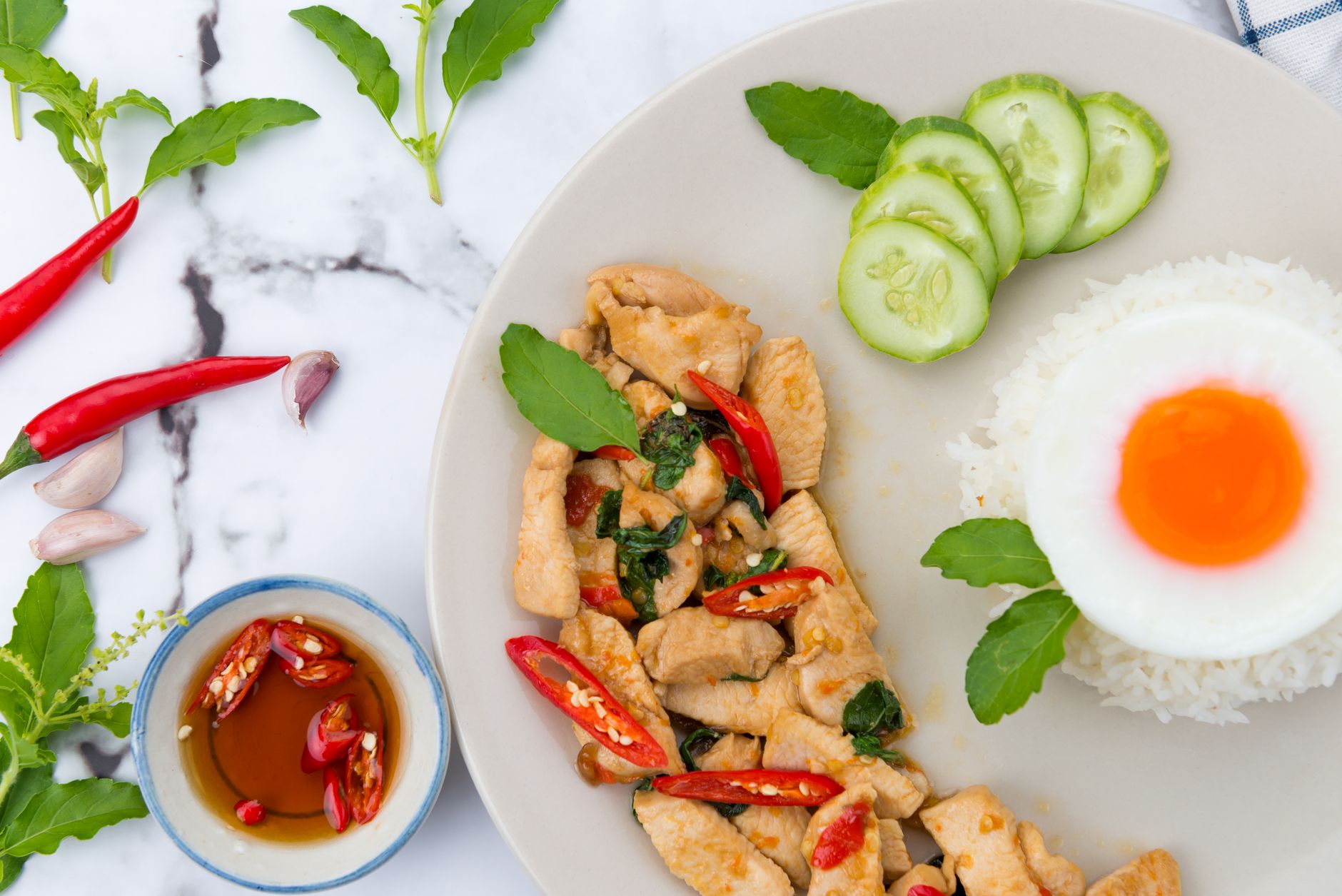
Apr 6, 2026Thai Green Curry Chicken (Gaeng Keow Wan Gai)
A fragrant, mildly spiced Thai green curry with tender chicken, Thai eggplant, and fresh basil in creamy coconut milk. This version offers gentle warmth perfect for introducing newcomers to authentic Thai flavors. 40 min · 0 saves.

thai · mild
Apr 6, 2026Thai Red Curry with Chicken (Gaeng Phed Gai)
A fragrant and gently spiced Thai red curry featuring tender chicken in a creamy coconut milk base with Thai eggplant and fresh basil. 45 min · 0 saves.
thai · hot
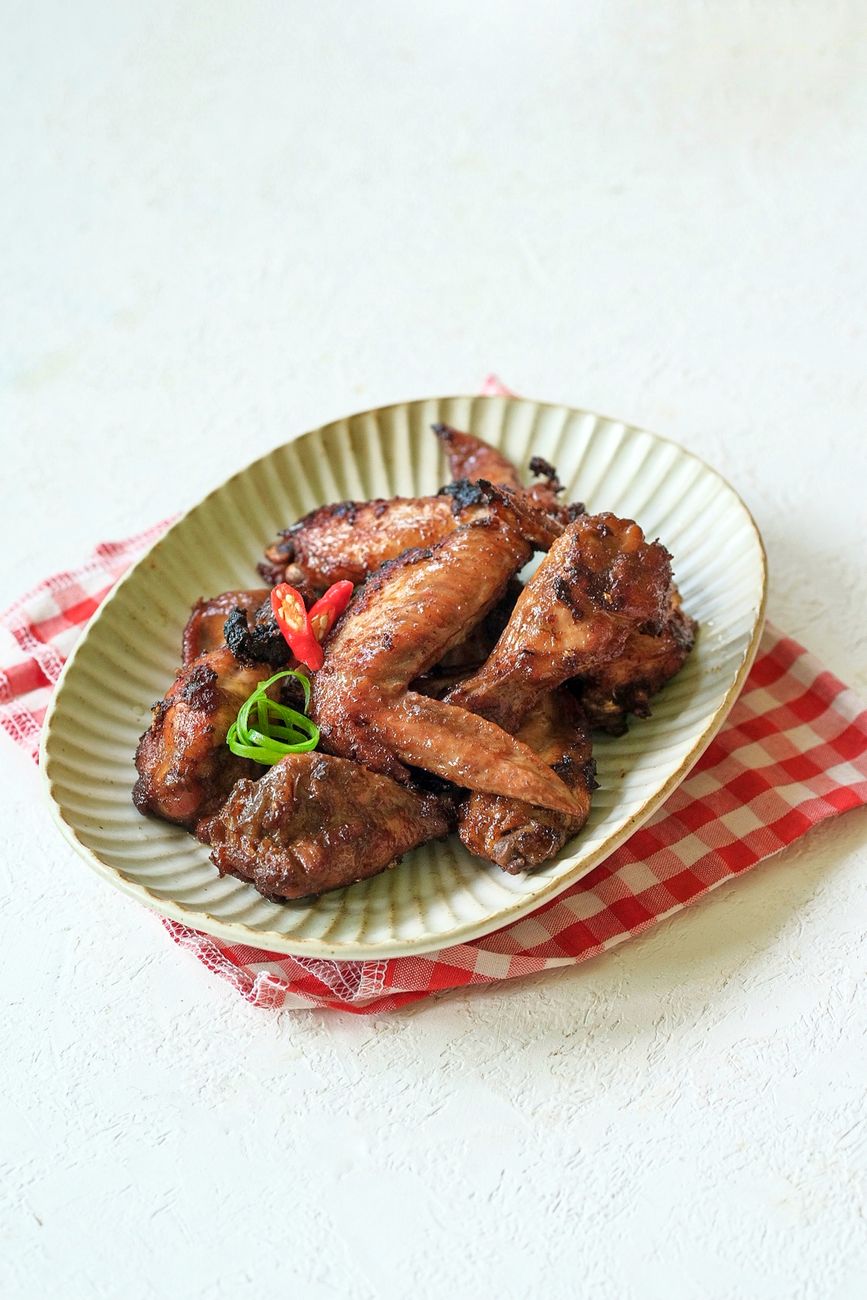
May 5, 2026Thai Hot Wings with Nam Prik Pao Glaze
Crispy chicken wings meet the complex fire of nam prik pao—Thai chili jam—in a glaze that delivers layers of smoky heat, tangy tamarind, and caramelized palm sugar. 65 min · 0 saves.
FlamingFoodies picks
Pantry, gear, and bottle picks that fit this meal
Everyday bottle
Yellowbird Habanero Hot Sauce
Bright carrot-habanero heat with enough body to work on eggs, tacos, and roasted vegetables. Best for breakfasts, tacos, and meal prep bowls.
View on AmazonNumbing heat
Fly By Jing Sichuan Gold
A more citrusy, peppercorn-leaning sauce when you want flavor movement instead of pure capsaicin. Best for dumplings, noodles, and fried eggs.
View on AmazonFrom the blog
More about this dish
Read more about the ingredients and cuisine.
culture
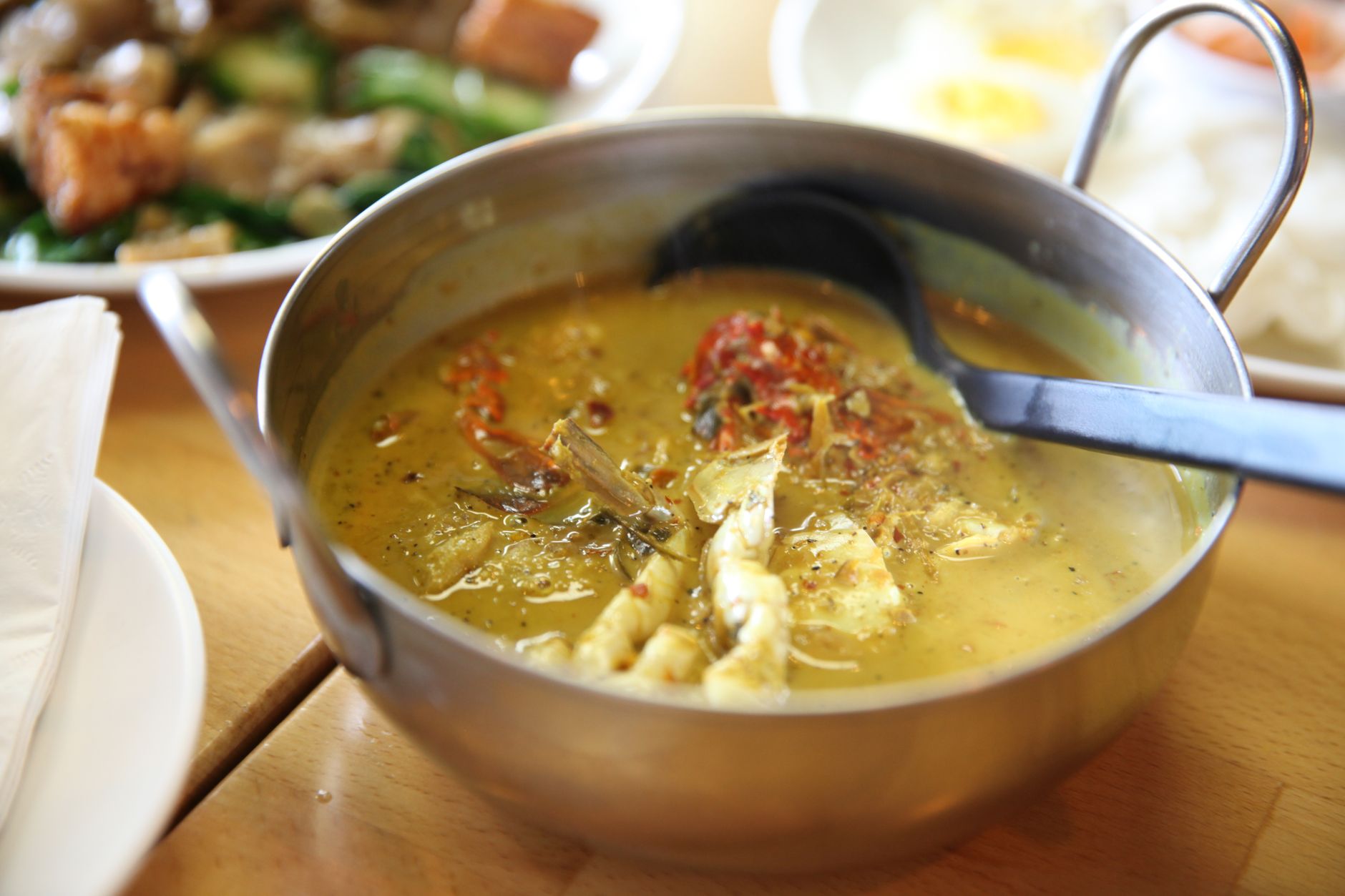
Jun 5, 2026The Fiery Thai Dishes Taking Over American Kitchens Right Now
The spicy Thai dishes making their way into American home kitchens tell a different story than the pad thai we all know. These are the regional specialties, fermented condiments, and chili-forward dishes that showcase what real Thai heat culture looks like when you dig deeper.

culture
May 31, 2026Why Thai Larb, Jungle Curry, and Boat Noodles Are Having Their Spicy Moment
Three bold Thai dishes are winning over spice lovers everywhere, each one showcasing a completely different way to build and balance serious heat. Here's why larb, jungle curry, and boat noodles deserve a spot at your table.
Background guides
Read the guide behind the technique
Learn more about the cooking techniques used here.
Community notes
Reader discussion is shared across recipes, reviews, and editorial pieces.
Comments are read-only while member sign-in is paused.