
FlamingFoodies recipe
Carolina Reaper Blackened Shrimp with Cooling Buttermilk Drizzle
Plump shrimp get dressed in a bold spice blend laced with Carolina Reaper powder, then seared until beautifully charred and juicy. A tangy buttermilk sauce offers sweet relief from the intense heat.
Jumbo shrimp coated in Carolina Reaper-spiked blackening spices and seared until deeply charred, served with a cooling buttermilk sauce that makes the extreme heat actually enjoyable.
Ingredients
Blackening Spice
- 2 tablespoonspaprika
- 1 tablespoongarlic powder
- 1 tablespoononion powder
- 1 teaspoondried oregano
- 1 teaspoondried thyme
- 1 teaspoonkosher salt
- 1/2 teaspoonblack pepper, freshly ground
- 1/4 teaspoonCarolina Reaper powder, use gloves when handling
Shrimp
- 2 poundslarge shrimp, 16-20 count, peeled and deveined
- 3 tablespoonsvegetable oil
- 2 tablespoonsunsalted butter
Buttermilk Drizzle
- 1/2 cupbuttermilk
- 2 tablespoonsmayonnaise
- 1 tablespoonfresh lemon juice
- 1 clovegarlic, minced
- 2 tablespoonsfresh chives, chopped
- 1/4 teaspoonkosher salt
Method
1. Get your spice blend ready and prep the shrimp Combine all the blackening spices in a small bowl, mixing well to distribute that reaper powder evenly. Pat your shrimp completely dry—this is crucial for good searing. Toss them with 1 tablespoon of oil in a large bowl, then sprinkle the spice mixture over everything, tossing until each shrimp is well coated.
Watch for: Each shrimp should be evenly coated with the dark, fragrant spice mixture
Tip: Seriously, use gloves when handling that reaper powder, and wash every surface afterward—trust us on this one
2. Whip up the buttermilk sauce while you can still think clearly Whisk together buttermilk, mayonnaise, lemon juice, minced garlic, chives, and salt until smooth. Taste and adjust if needed. Pop it in the fridge until you're ready to eat.
Watch for: The sauce should be creamy and pourable, with a nice tang from the buttermilk and lemon
Tip: This sauce is your lifeline—make it first so it's nice and cold when you need it most
3. Get that pan blazing hot Heat your cast iron skillet over medium-high heat for 3-4 minutes, then add the remaining oil. You want it shimmering and just starting to smoke—this is what gives you that proper blackened crust.
Watch for: The oil should shimmer across the pan with wisps of smoke just beginning to rise
Tip: Fair warning: this will smoke up your kitchen something fierce, so crack those windows and turn on every fan you've got
4. Blacken those beauties Add the shrimp in a single layer—work in batches if needed rather than crowding them. Let them sit undisturbed for 2 full minutes to get that gorgeous crust, then flip and cook another 1-2 minutes until the other side is charred and the shrimp are just cooked through. Toss in the butter at the end and baste everything as it foams.
Watch for: The shrimp should be deeply charred on both sides with opaque, tender flesh that just curls slightly
Tip: Resist the urge to peek or move them around—patience gives you that perfect blackened exterior
Equipment
- Large cast iron skillet
- Large mixing bowl
- Disposable gloves
- Paper towels
Make ahead
- Mix up that spice blend up to a week ahead and store it in a sealed container. The buttermilk sauce is actually better after sitting for a few hours and will keep for 2 days in the fridge. Just coat and cook the shrimp right before you're ready to eat—they're best when they're hot and fresh.
Storage
- Any leftover shrimp will keep in the fridge for up to 2 days, though they're definitely at their peak when just cooked and still sizzling.
Reheat
- If you must reheat them, do it gently in a skillet over medium heat for just a minute or two. Honestly though, they're pretty good cold in a salad where that heat still packs plenty of punch.
Top tips
- Keep cold milk and ice cream within arm's reach—this isn't a drill
- That buttermilk sauce isn't optional—it's what makes this dish enjoyable instead of just punishing
- Make sure your kitchen is well-ventilated before you start searing those spiced shrimp
Substitutions
- Ghost pepper powder will give you serious heat with slightly less intensity than the reaper
- No buttermilk? Mix Greek yogurt with lemon juice for a similar cooling effect
- Large sea scallops work beautifully here and cook in about the same time as the shrimp
Serve with
- Pile these over steamed white rice—you'll need something mild to balance all that fire
- Round out the meal with grilled corn and creamy coleslaw for a proper heat-and-cool contrast
- Have plenty of cold beer or milk on standby—your guests will thank you
Find another recipe
Open archive →Carolina Reaper Blackened Shrimp with Cooling Buttermilk Drizzle

Plump shrimp get dressed in a bold spice blend laced with Carolina Reaper powder, then seared until beautifully charred and juicy. A tangy buttermilk sauce offers sweet relief from the intense heat.
Prep
20 min
Cook
8 min
Active
28 min
Total
28 min
Yield
4 servings
Share this
Pass it around
Send this page to a friend, copy the link, or save it to a Pinterest board.
Save for later
Pin this page
Save the image with a link back to this recipe, review, or article.
Peppers in this recipe
Recipe notes
Before you cook
This is the dish that separates the curious from the committed—Carolina Reaper powder doesn't mess around, clocking in at over a million Scoville units. But here's the thing: when you balance that volcanic heat with sweet, meaty shrimp and a cooling buttermilk drizzle, you get something genuinely delicious rather than just painful. The key is using big, substantial shrimp that can hold their own against all that fire, and a classic blackening spice blend that rounds out the reaper's raw intensity with smoky, savory notes. Keep that buttermilk sauce close—you'll need it.
Total time
28 min
Prep: 20 min. Cook: 8 min.
Yield
4 servings
The ingredient quantities below are for this yield.
Method
How to cook it
Use the step navigator to move around, or stay in cook mode and work top to bottom.
- 1
Step 1 of 4
Get your spice blend ready and prep the shrimp
Combine all the blackening spices in a small bowl, mixing well to distribute that reaper powder evenly. Pat your shrimp completely dry—this is crucial for good searing. Toss them with 1 tablespoon of oil in a large bowl, then sprinkle the spice mixture over everything, tossing until each shrimp is well coated.
- 2
Step 2 of 4
Whip up the buttermilk sauce while you can still think clearly
Whisk together buttermilk, mayonnaise, lemon juice, minced garlic, chives, and salt until smooth. Taste and adjust if needed. Pop it in the fridge until you're ready to eat.
- 3
Step 3 of 4
Get that pan blazing hot
Heat your cast iron skillet over medium-high heat for 3-4 minutes, then add the remaining oil. You want it shimmering and just starting to smoke—this is what gives you that proper blackened crust.
- 4
Step 4 of 4
Blacken those beauties
Add the shrimp in a single layer—work in batches if needed rather than crowding them. Let them sit undisturbed for 2 full minutes to get that gorgeous crust, then flip and cook another 1-2 minutes until the other side is charred and the shrimp are just cooked through. Toss in the butter at the end and baste everything as it foams.
Troubleshooting
Tips that matter
- Keep cold milk and ice cream within arm's reach—this isn't a drill
- That buttermilk sauce isn't optional—it's what makes this dish enjoyable instead of just punishing
- Make sure your kitchen is well-ventilated before you start searing those spiced shrimp
Substitutions and variations
Storage and leftovers
Plan ahead and reheat well
Make ahead
Mix up that spice blend up to a week ahead and store it in a sealed container. The buttermilk sauce is actually better after sitting for a few hours and will keep for 2 days in the fridge. Just coat and cook the shrimp right before you're ready to eat—they're best when they're hot and fresh.
Storage
Any leftover shrimp will keep in the fridge for up to 2 days, though they're definitely at their peak when just cooked and still sizzling.
Reheat
If you must reheat them, do it gently in a skillet over medium heat for just a minute or two. Honestly though, they're pretty good cold in a salad where that heat still packs plenty of punch.
At the table
Serving suggestions
- Pile these over steamed white rice—you'll need something mild to balance all that fire
- Round out the meal with grilled corn and creamy coleslaw for a proper heat-and-cool contrast
- Have plenty of cold beer or milk on standby—your guests will thank you
FAQ
Common questions
How hot is Carolina Reaper powder really?
We're talking about 1.6 million Scoville units on average—that's roughly 300 times hotter than a jalapeño. Even the quarter teaspoon we use here will challenge anyone who thinks they can handle heat.
Can I use less reaper powder if I'm not sure about my heat tolerance?
Absolutely, and we'd recommend it if you're new to superhot peppers. Start with just a pinch and work your way up. You can always add more heat next time, but you can't take it back once it's in there.
What if I can't find Carolina Reaper powder?
Ghost pepper or scorpion pepper powder will still bring serious heat, just a notch below reaper level. Don't substitute regular hot peppers though—you'll end up with a completely different (and much milder) dish.
Heat profile
Extremely hot
The recipe is classified as reaper-level heat. Measure hot sauces and chiles carefully.
Skill level
Intermediate
Check the method for steps that need to be prepared at the same time.
Total time
28 min
Prep: 20 min. Cook: 8 min.
Yield
4 servings
The ingredient quantities below are for this yield.
Cook this with
Three useful buys before you start
A sauce, a pantry ingredient, and a kitchen tool to consider for this dish.
Sauce
Torchbearer Garlic Reaper
Torchbearer · Best for wings
Explore this sauce from the same cuisine: american.
Get the sauce used herePantry
Mike's Hot Honey
Sweet heat
Finishing sweet-spicy dishes. The fast-track drizzle for pizza, fried chicken, salmon, Brussels sprouts, and hot sandwiches.
Grab the pantry stapleGear
12-Inch Cast Iron Skillet
Kitchen staple
Weeknight proteins and pan sauces. The sear-and-char pan for smash burgers, fajitas, cornbread, and anything that likes hard edges.
Use this toolPair this with
The right bottle for this recipe
These sauce picks are matched to the dish itself, not dropped in at random. Use them to finish, sharpen, or push the heat where it helps.
Torchbearer Garlic Reaper
Explore this sauce from the same cuisine: american.
An extremely hot garlic-forward sauce that somehow keeps real flavor structure under all that reaper pressure.
Yellowbird Habanero
Use this when you want a brighter finishing hit next to the deeper flavors already built into carolina reaper blackened shrimp with cooling buttermilk drizzle.
A bright, carrot-forward bottle with enough heat to stay lively and enough sweetness to stay versatile.
Shop the pantry
Pantry staples for this recipe
Sweet heat
$10-$16Mike's Hot Honey
Finishing sweet-spicy dishes. The fast-track drizzle for pizza, fried chicken, salmon, Brussels sprouts, and hot sandwiches.
Check price on AmazonChar-ready marinade
$8-$14Nando's Medium Peri-Peri Sauce
Chicken, skewers, and grilled vegetables. The bottle to grab when chicken needs acid, garlic, and real heat before it hits the grill or broiler.
Check price on AmazonSmoky shortcut
$4-$10Chipotle Peppers in Adobo
Burger sauce, chili, and taco fillings. The pantry move for smoky mayo, burger sauce, taco braises, and chili that tastes like you actually thought ahead.
Check price on AmazonRecommended equipment
Cooking tools
Kitchen staple
$25-$4512-Inch Cast Iron Skillet
Weeknight proteins and pan sauces. The sear-and-char pan for smash burgers, fajitas, cornbread, and anything that likes hard edges.
Check price on AmazonSummer helper
$18-$30Stainless Steel Grill Basket
Seafood, fajitas, and charred vegetables. A cleaner route for shrimp, peppers, onions, and small vegetables that would otherwise disappear into the grates.
Check price on AmazonCook next
More recipes with similar heat
These are the next recipes most likely to fit the same mood, pantry, or heat level once this one is in your rotation.
american · mild
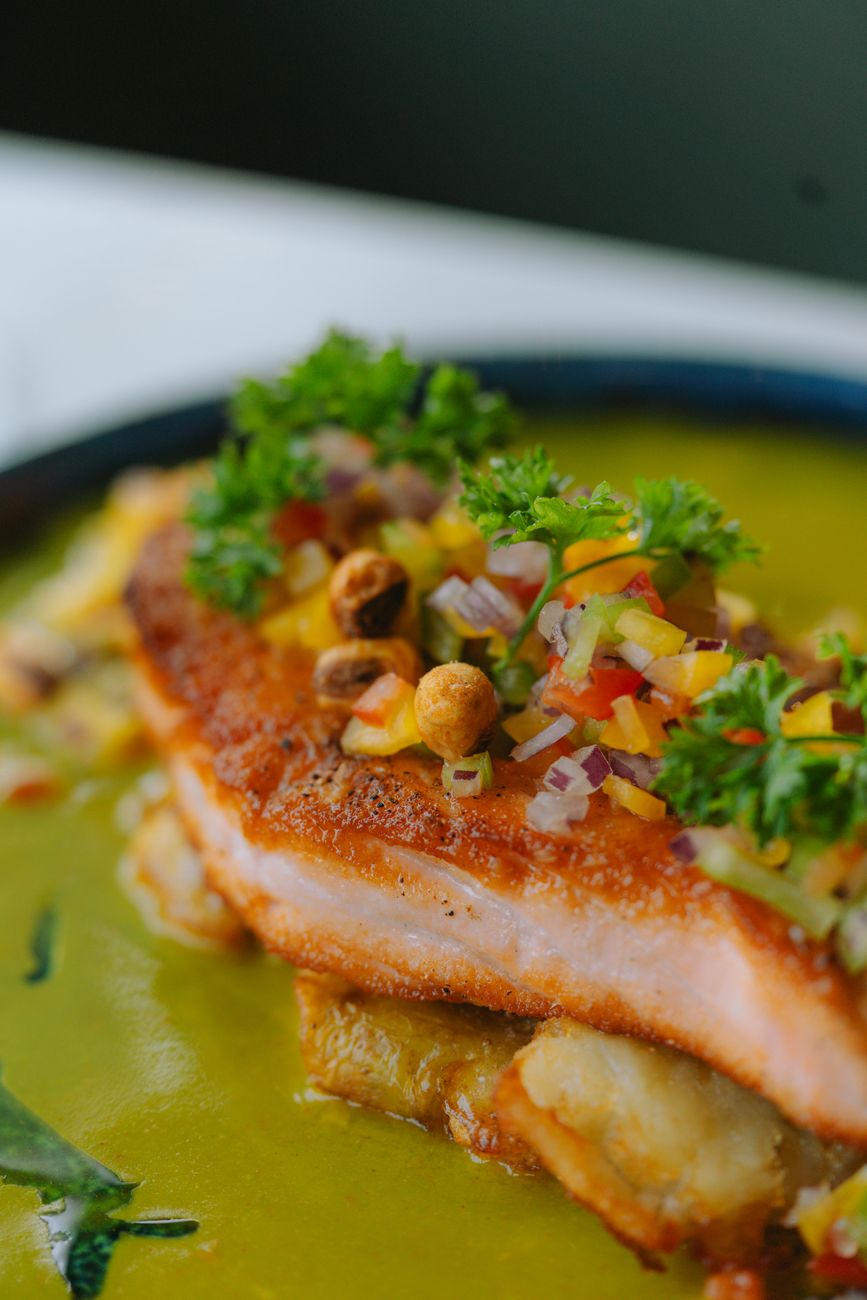
May 25, 2026Cajun Spiced Pan-Seared Salmon with Poblano Butter Sauce
Pan-seared salmon fillets dusted with aromatic Cajun spices, then crowned with a velvety poblano butter sauce that brings gentle warmth and smoky depth to every bite. 35 min · 0 saves.
american · reaper
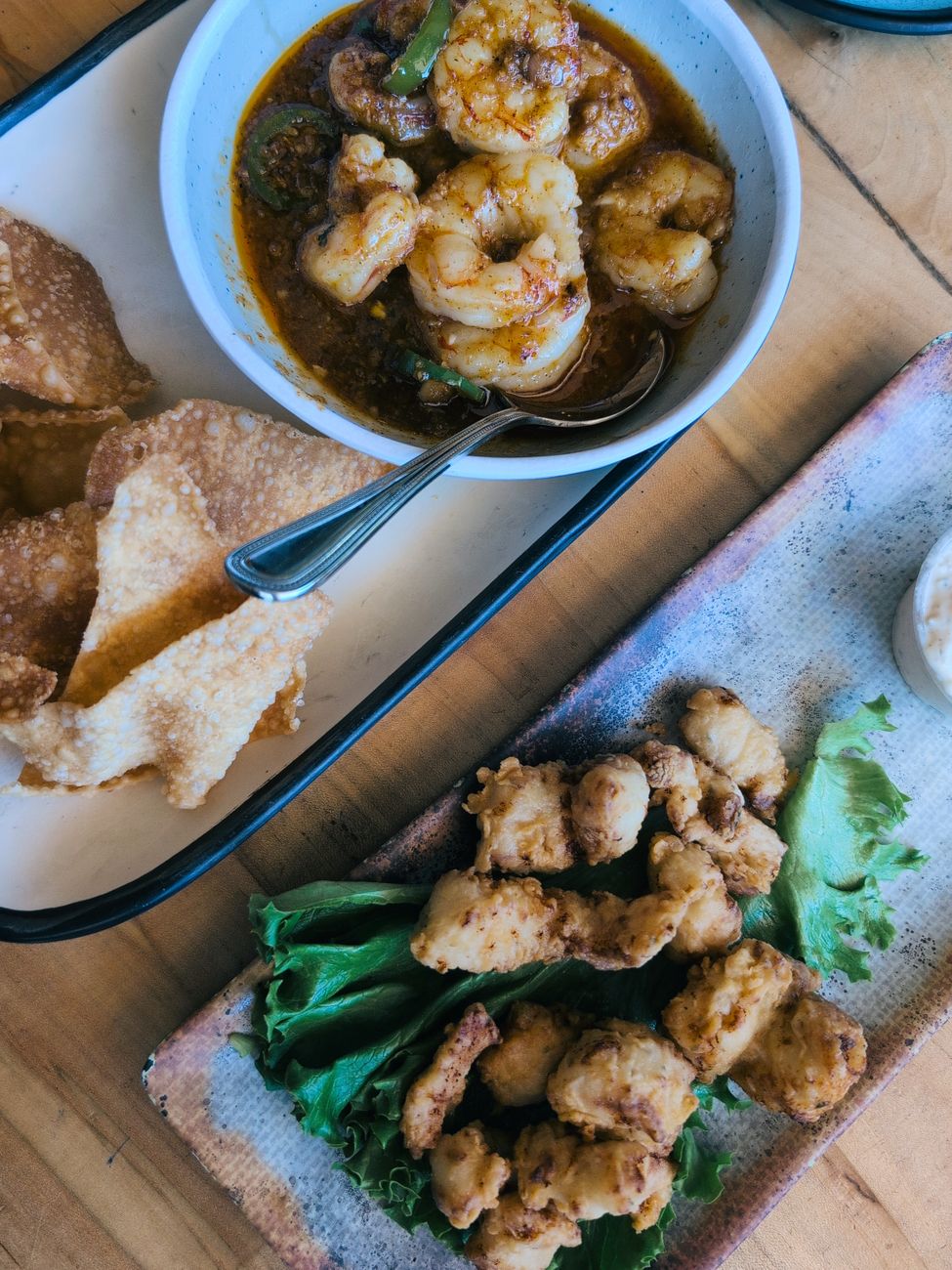
Oct 12, 2026Garlic Reaper Shrimp with Charred Scallions
Large shrimp seared until golden, tossed with Torchbearer Garlic Reaper sauce and finished with crispy garlic chips and charred scallion greens. The sauce clings to the shrimp without overwhelming the sweetness of the protein, and the heat builds steadily rather than hitting all at once. 20 min · 0 saves.
american · inferno
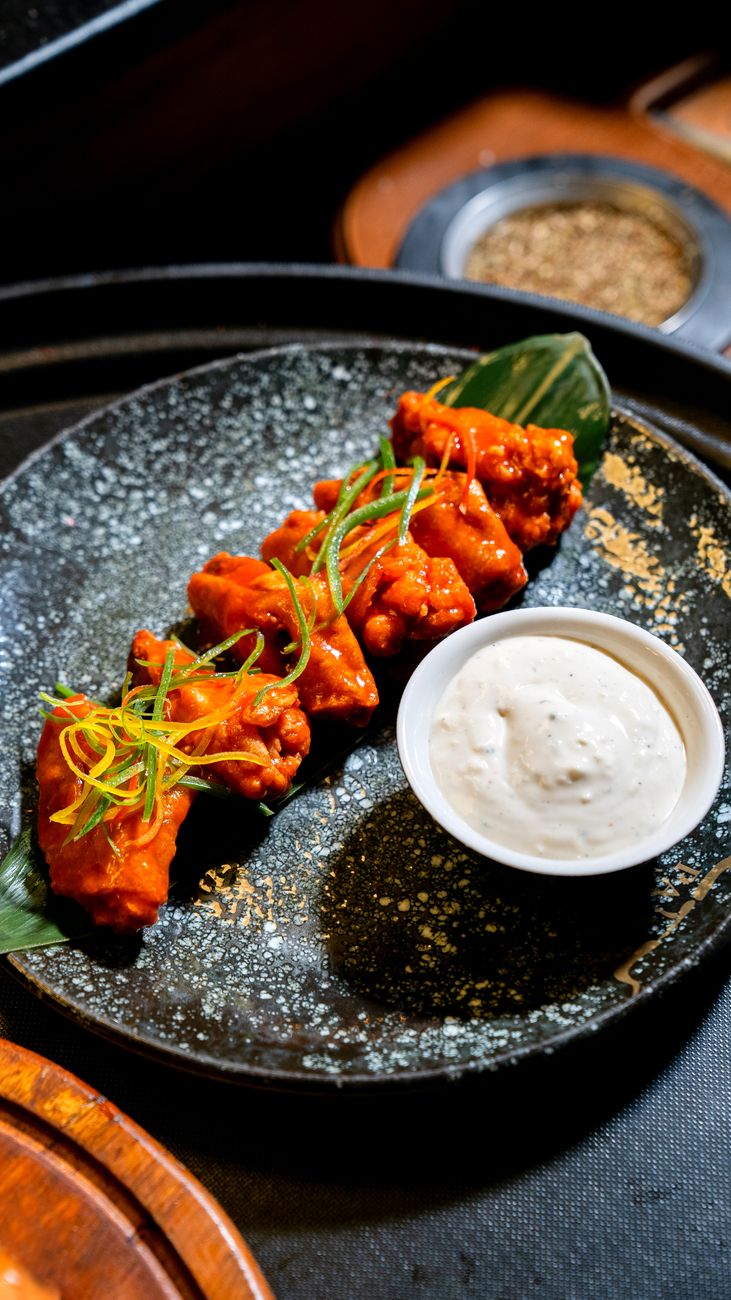
May 7, 2026Carolina Reaper Buffalo Wings
Traditional American buffalo wings get an extreme heat upgrade with Carolina Reaper peppers in this weeknight recipe for serious chili heads. 60 min · 0 saves.
FlamingFoodies picks
Pantry, gear, and bottle picks that fit this meal
Everyday bottle
Yellowbird Habanero Hot Sauce
Bright carrot-habanero heat with enough body to work on eggs, tacos, and roasted vegetables. Best for breakfasts, tacos, and meal prep bowls.
View on AmazonNumbing heat
Fly By Jing Sichuan Gold
A more citrusy, peppercorn-leaning sauce when you want flavor movement instead of pure capsaicin. Best for dumplings, noodles, and fried eggs.
View on AmazonFrom the blog
More about this dish
Read more about the ingredients and cuisine.
guides
Apr 3, 2026What Makes a Hot Sauce Good on Pizza and Wings
A quick field guide to the garlic, cling, smoke, and heat curves that work best on richer, game-day food.

science
Oct 11, 2026Why American Spicy Food is Getting Bolder: Heat, Acid, and Umami Over Fire
American spicy cooking has shifted from pure heat toward layered flavor—fermented sauces, smoked peppers, and acid working together. These techniques make heat feel less aggressive and more useful at the table.
Background guides
Read the guide behind the technique
Learn more about the cooking techniques used here.
Community notes
Reader discussion is shared across recipes, reviews, and editorial pieces.
Comments are read-only while member sign-in is paused.