
Shishito
Also known as: shishi pepper, shishi-tougarashi
The shishito is a Japanese pepper that's almost entirely mild — except about one in every ten pods is unexpectedly hot. Slim, slightly wrinkled, bright green, and most famous as a blistered tapas-style appetizer, the shishito has become one of the trendiest peppers in American restaurants since the 2010s.
Scoville
50–200 SHU
Heat
Mild
Origin
east asia
Species
C. annuum
Type
Fresh pod
Plant height
18–24 in
Heat profile
Mild heat — 50–200 SHU
Step milder
Banana Pepper
0–500 SHU
This pepper
Shishito
50–200 SHU
Step hotter
Hatch Green Chile
500–3K SHU
Flavor profile
Vegetal, slightly sweet, and bright — with an unpredictable ~1-in-10 chance of significantly more heat.
Shishito's appeal is the lottery. The vast majority of pods taste vegetal and sweet with almost no heat — eating them blistered in oil and salt is closer to eating a green bean than a chile. But genetics being what they are, roughly one in ten pods carries serious capsaicin, and the surprise becomes part of the dining experience. The combination of accessibility and unpredictability has made shishitos one of the most successful 'crossover' peppers — they appear on menus that wouldn't otherwise touch chiles. Grocer availability has caught up: Trader Joe's, Whole Foods, and increasing numbers of mainstream supermarkets stock them year-round.
Color
Bright green ripening to red
Did you know
The name 'shishito' translates to 'lion pepper' — the slightly bulbous, wrinkled tip of the pod was thought to resemble a lion's head in Japanese folk tradition. The lottery factor (one in ten being hot) is unrelated to the name but has become part of the modern American appeal.
How to use it
- —Blistered in a hot pan with oil and finished with flaky salt — the canonical Japanese izakaya preparation
- —Charred on a grill and squeezed with lemon
- —Stuffed with cheese and quickly broiled
- —Stir-fried with garlic and soy sauce
- —Pickled for tacos and sandwiches
Pairs well with
Substitutes
Can't find shishito? Try one of these.
How to grow it
Growing shishito at home
USDA zones
Perennial in 9–11, annual in 4–8
Germinate
7–14 days
To harvest
~60 days from transplant
Plant height
18–24 in
Sun
full sun
Water
moderate
Container
Container-friendly
One of the easiest peppers to grow in a home garden — productive, compact, and quick to fruit. A single plant can produce 50+ pods over a season. Pick them when green and slightly smaller than your finger; older pods turn red, get tougher, and develop more heat. Plants do well in containers as small as 2 gallons.
Where to find it
Buying shishito
Fresh
Year-round at Whole Foods, Trader Joe's, Sprouts, and many mainstream grocers. Standard at Japanese and Asian markets. One of the most available specialty peppers in the US.
Dried
Not commonly dried — shishitos are a fresh pepper.
Seasonality
Year-round at well-stocked grocers; peak fresh August–October.
Seed sources
- Kitazawa Seed
- Baker Creek
- Burpee
- Johnny's Selected Seeds
Look for firm, glossy green pods. Wrinkled or pale shishitos are past their prime. The slightly bulbous tip is normal — that's the 'lion head' shape the name refers to.
History & origin
Where shishito comes from
Shishitos have been cultivated in Japan for centuries as a household pepper, eaten in summer when the pods are at peak. The variety is closely related to (and visually similar to) the Spanish padrón, suggesting both descended from a common ancestor brought via Portuguese trade. American restaurants, particularly those leaning Japanese-fusion, popularized shishitos starting in the 2010s — by the mid-2020s they had become a standard appetizer on bar menus from New York to Los Angeles. Mexican and California growers now supply much of the US market.
Cook with it
Recipes that use shishito.
japanese · hot
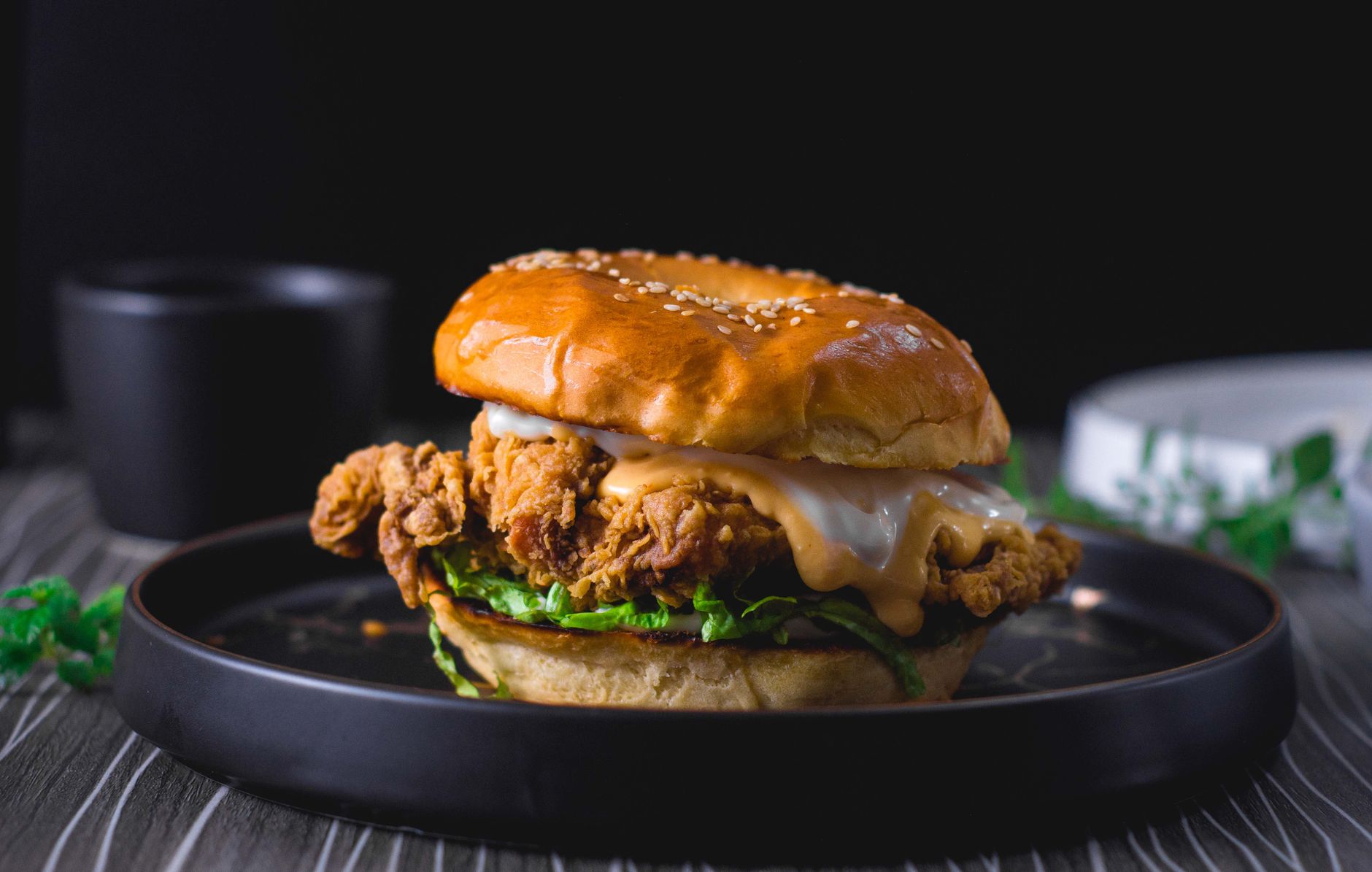
Sep 8, 2026Spicy Miso Karaage Burger with Habanero Mayo
A Japanese-inspired fried chicken burger with crispy karaage coating, habanero mayo with serious heat, pickled daikon and carrot, and fresh shiso on a toasted bun. Ready in under an hour. 50 min · 0 saves.

japanese · hot
Jun 11, 2026Charred Chicken Yakitori with Habanero-Sansho Tare
Tender chicken thighs kissed by flames and painted with a fiery glaze that brings together habanero's fruity heat, sansho pepper's electric tingle, and the deep soul of red miso. 45 min · 0 saves.

japanese · hot
Jun 9, 2026Mapo Nasu with Scotch Bonnet Heat
Silky Japanese eggplant swimming in a miso sauce that means business—scotch bonnet chiles bring fruity heat that builds beautifully with each bite. 45 min · 0 saves.
Similar peppers
Other mild peppers
Frequently asked
Common questions about shishito
Why is one in ten shishitos spicy?
Genetic variation. The cultivar produces mostly mild peppers, but environmental stress (heat, drought, age) can trigger higher capsaicin in occasional pods. There's no way to tell which is which from the outside. The unpredictability is part of the appeal — Japanese cooks have eaten shishitos this way for centuries.
How do you cook shishito peppers?
Most commonly blistered: a hot pan with a little oil, the peppers thrown in whole, tossed until the skins blister and char in spots (about 3–4 minutes), then finished with flaky salt. Squeeze of lemon optional. Eat the whole pepper — stem, seeds, and all. They're also good grilled, charred over flame, or stuffed and broiled.
Are shishito peppers spicy?
Mostly not — they're rated 50–200 Scoville Heat Units, well below jalapeño. But roughly one in every ten pods is unexpectedly hot, sometimes reaching mild-jalapeño levels. The lottery factor is well-known and is part of the cultivar's charm rather than a defect.
What's the difference between shishito and padrón?
Very little — they're closely related cultivars from Japan and Spain respectively. Padróns are slightly larger and can carry slightly more heat on average, but both have the same vegetal flavor, the same mild baseline, and the same one-in-ten lottery factor for unexpectedly hot pods. Most American grocers and restaurants treat them interchangeably.
Pantry examples
If you want to taste shishito in a bottle or pantry product
These are optional examples of how this pepper shows up in real products. The profile above stands on its own even if you never shop from this section.
Texture hit
Crunchy Chili Crisp
Crunch, oil, and lingering heat for dumplings, eggs, noodles, and roasted vegetables.
View example ↗Numbing heat
Fly By Jing Sichuan Gold
A more citrusy, peppercorn-leaning sauce when you want flavor movement instead of pure capsaicin.
View example ↗