science
Mexican Chile Broths, Fresh Salsas, and Charred Preparations
Compare slow-simmered Mexican chile broths, fresh acidic salsas, and charred preparations, with cooking details for each approach.
Share this
Pass it around
Send this page to a friend, copy the link, or save it to a Pinterest board.

Save for later
Pin this page
Save the image with a link back to this recipe, review, or article.
Mexican cooking uses chile heat in several distinct ways, and each approach changes how a dish tastes and feels in the mouth. Three styles show this clearly: deep, long-simmered broths; bright, acidic salsas; and smoky, charred preparations where fire and chile meet directly.
Chile Broths: Layered Heat from Slow Cooking
Birria relies on layering several dried chiles—guajillo, ancho, chipotle—into a beef broth that simmers for hours. That long cook time breaks the chiles down and distributes their heat evenly through the liquid, so instead of one sharp hit, you get a steadier, rolling warmth throughout the bowl.
Fat matters here. Good birria has enough rendered beef fat to carry the chile heat through the broth without dulling it. Get that balance right, and the dish reads as rich and warming rather than simply hot.
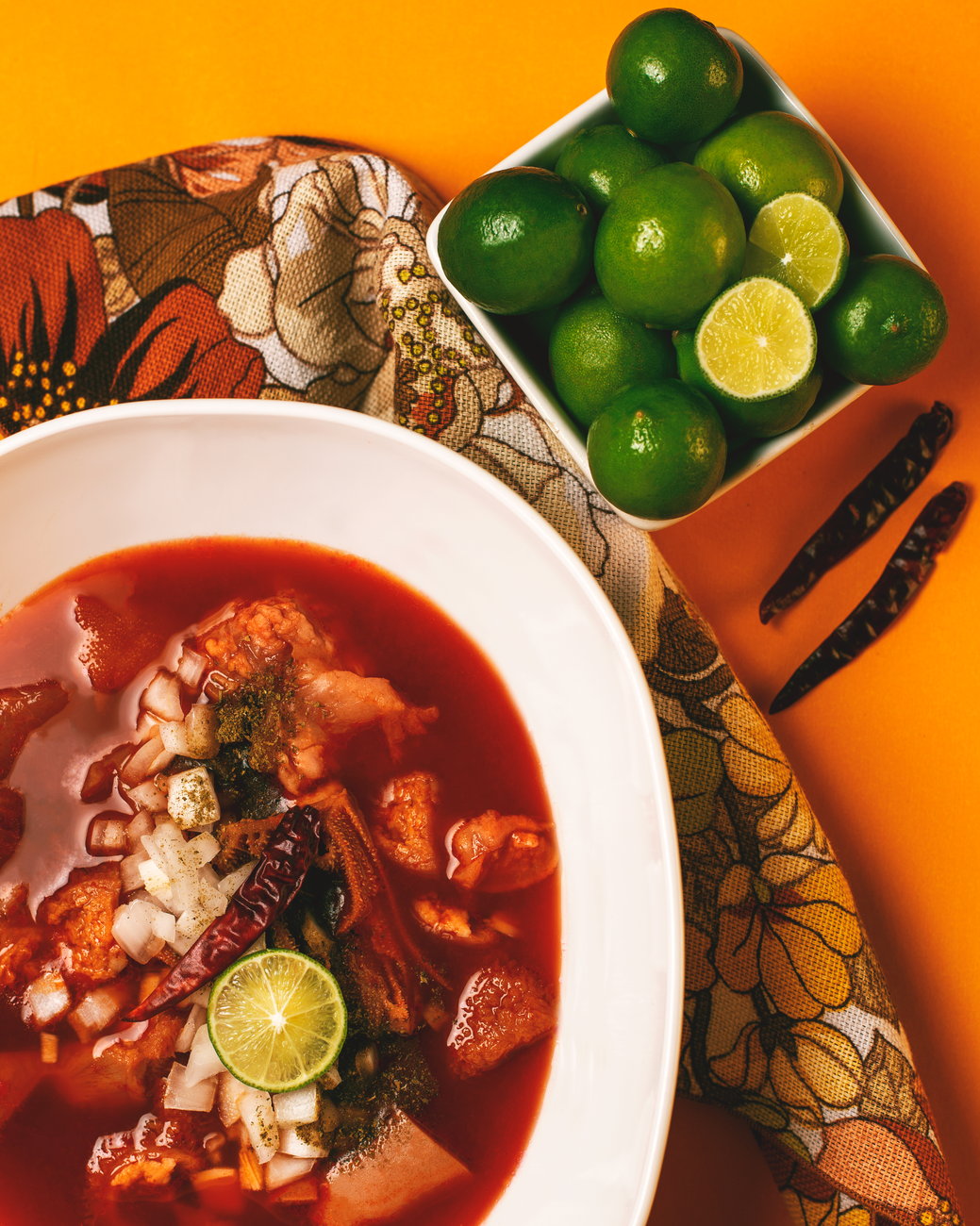
Pozole works on a similar principle, but the hominy kernels add another layer: they absorb chile oil unevenly, so some bites carry more heat than others. Menudo does the same with tripe, which picks up chile oil inconsistently, so the heat level shifts a little from spoonful to spoonful.
Bright Heat: Acid and Chile Together
Fresh salsas depend on the interplay between acid and heat. In salsa verde, tart tomatillos, a splash of lime juice, and serrano chiles combine so the bright acidity and the clean heat of the chile play off each other rather than one simply dominating.
Good salsas—restaurant-style or homemade—balance lime juice, vinegar, and the natural tang of ripe tomatoes against the chosen chile's heat level. Getting that ratio right is what makes a salsa taste balanced rather than flat or overwhelming.
Salsa macha builds on the same idea with a different set of tools:
- Oil carries the chile's heat and flavor evenly through the sauce
- Vinegar adds brightness that offsets the richness of the oil
- Garlic and onion contribute savory depth
- Seeds and nuts add texture and crunch
The combination of oil, acid, and aromatics is why a good fresh salsa disappears quickly at the table—there's a lot going on in a small spoonful.
When Fire Meets Chile: The Char Factor
Charring chiles changes them in ways that go beyond just adding smokiness. Blistering jalapeños for rajas or charring poblanos for chiles en nogada concentrates their heat and adds a deep, smoky flavor that a raw or simply cooked chile doesn't have.
Chiles toreados show this well. A quick, hot sear intensifies the jalapeño's heat while layering in smoky char, and the flavor keeps developing as you chew rather than hitting all at once.
Elote uses the same principle with corn: char on the kernels brings out sweetness and a touch of bitterness, and then chile powder and lime cut through that richness with heat and acidity working in contrast to the corn's sweetness.
The same approach shows up in carne asada marinated with chiles before hitting a hot grill, and in al pastor, where the meat chars and self-bastes on the trompo. In both cases, concentrated chile heat and grill or fire char work together to build flavor.
Rotating Between Styles
Because these three styles handle chile heat so differently—diffused through a rich broth, sharpened by acid in a fresh salsa, or concentrated through charring—rotating between them keeps meals from feeling repetitive. Pozole one night and salsa verde the next aren't competing for the same flavor space; they're built around different techniques entirely.
The appeal of these dishes comes down to technique: how chiles are cooked, layered, or paired with acid and fat changes what they taste like far more than heat level alone. Understanding those techniques makes it easier to choose—and cook—the style that fits what you're in the mood for.
Peppers featured in this post
Cook with this idea
Recipes to try next.
Put these ingredients and techniques to use in your next meal.

mexican · medium
Jun 14, 2026Chipotle Carnitas Rice Bowl with Poblano Crema
Tender pork carnitas with smoky chipotle heat served over cilantro-lime rice, topped with poblano crema and pickled jalapeños. 205 min · 0 saves.

mexican · medium
May 11, 2026Chorizo and Black Bean Burger with Los Calientes Rojo Crema
Mexican-inspired burgers where spiced chorizo meets earthy black beans, topped with a tangy Los Calientes Rojo crema that brings just the right amount of heat and bright tomato flavor to every bite. 37 min · 0 saves.

mexican · medium
May 4, 2026Chipotle Cream Spaghetti with Chorizo and Poblanos
Silky pasta tossed in a smoky chipotle-spiked cream sauce with crispy chorizo and charred poblano strips 35 min · 0 saves.
Bottle picks
Related hot sauce reviews.
Explore sauces with related ingredients, flavors, and heat levels.
Heatonist Los Calientes Rojo Review
Heatonist Los Calientes Rojo: flavor notes, heat level, and suggested food pairings.
Best for tacos
Best for: Tacos and rice bowls
Skip if: Skip if you are chasing a novelty-level heat hit or a super-special-occasion bottle.
Read review
Yellowbird Habanero Hot Sauce Review
A bright, carrot-forward bottle with enough heat to stay lively and enough sweetness to stay versatile.
Best for tacos
Best for: Tacos and rice bowls
Skip if: Skip if you want a classic vinegar-forward table sauce with almost no sweetness.
Read review
Fly By Jing Sichuan Gold Review
A citrusy, tingly sauce with real peppercorn presence and enough versatility to move beyond dumplings.
Best for dumplings
Best for: Eggs and breakfast tacos
Skip if: Skip if you want a thick, smoky wing sauce more than a bright finishing bottle.
Read review
Go deeper
Background guides that build on this.
Keep reading
More on this subject.
If this post helped, these are the next pieces most likely to keep the thread going.
science
Apr 25, 2026Salsa Macha, Pozole Rojo, and Al Pastor: Chiles and Technique
Toasted chiles in salsa macha, a red pozole broth, and al pastor's seasoned crust offer distinct ways to cook with Mexican chiles.
science
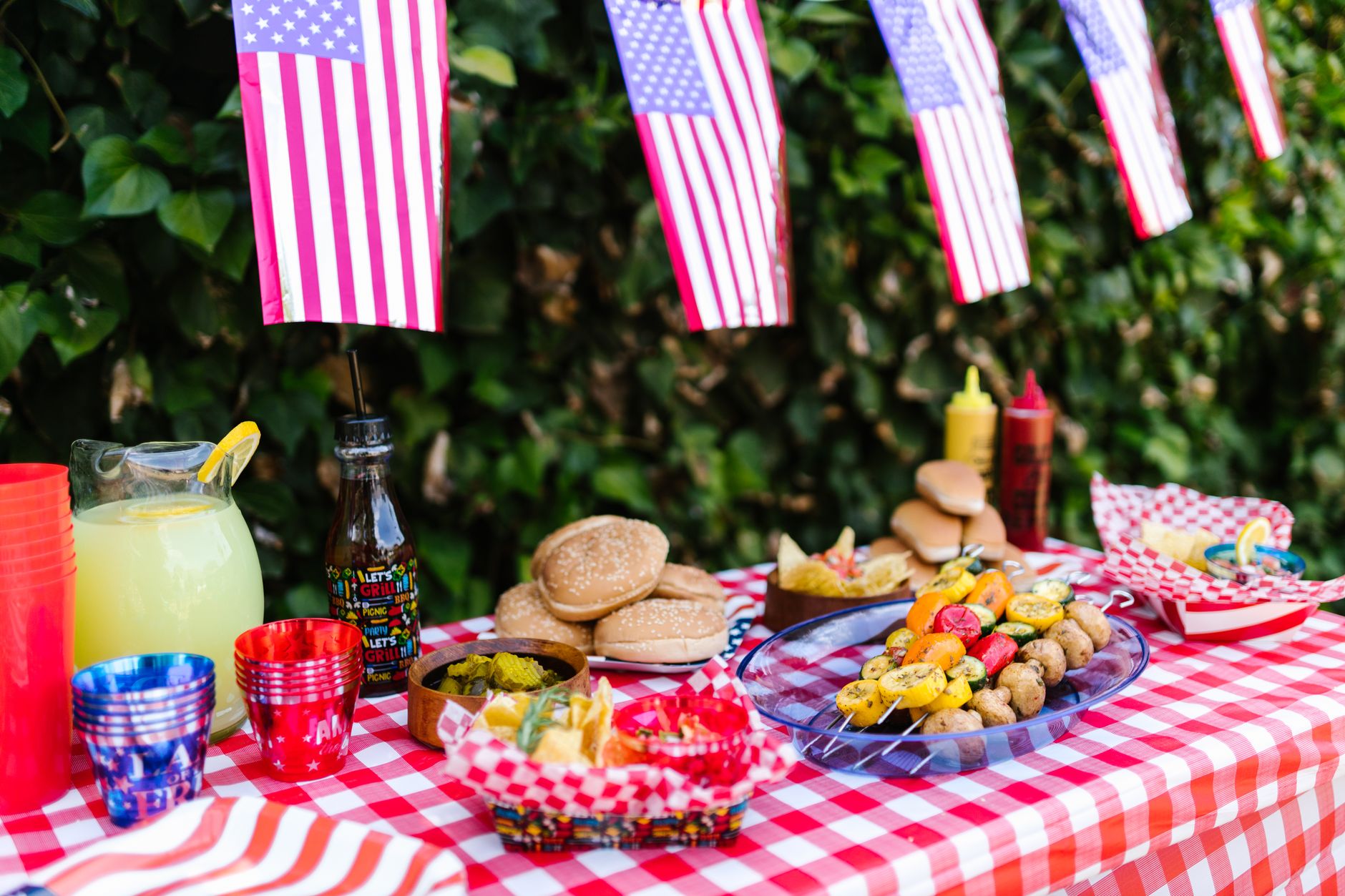
Oct 11, 2026Why American Spicy Food is Getting Bolder: Heat, Acid, and Umami Over Fire
American spicy cooking has shifted from pure heat toward layered flavor—fermented sauces, smoked peppers, and acid working together. These techniques make heat feel less aggressive and more useful at the table.
science
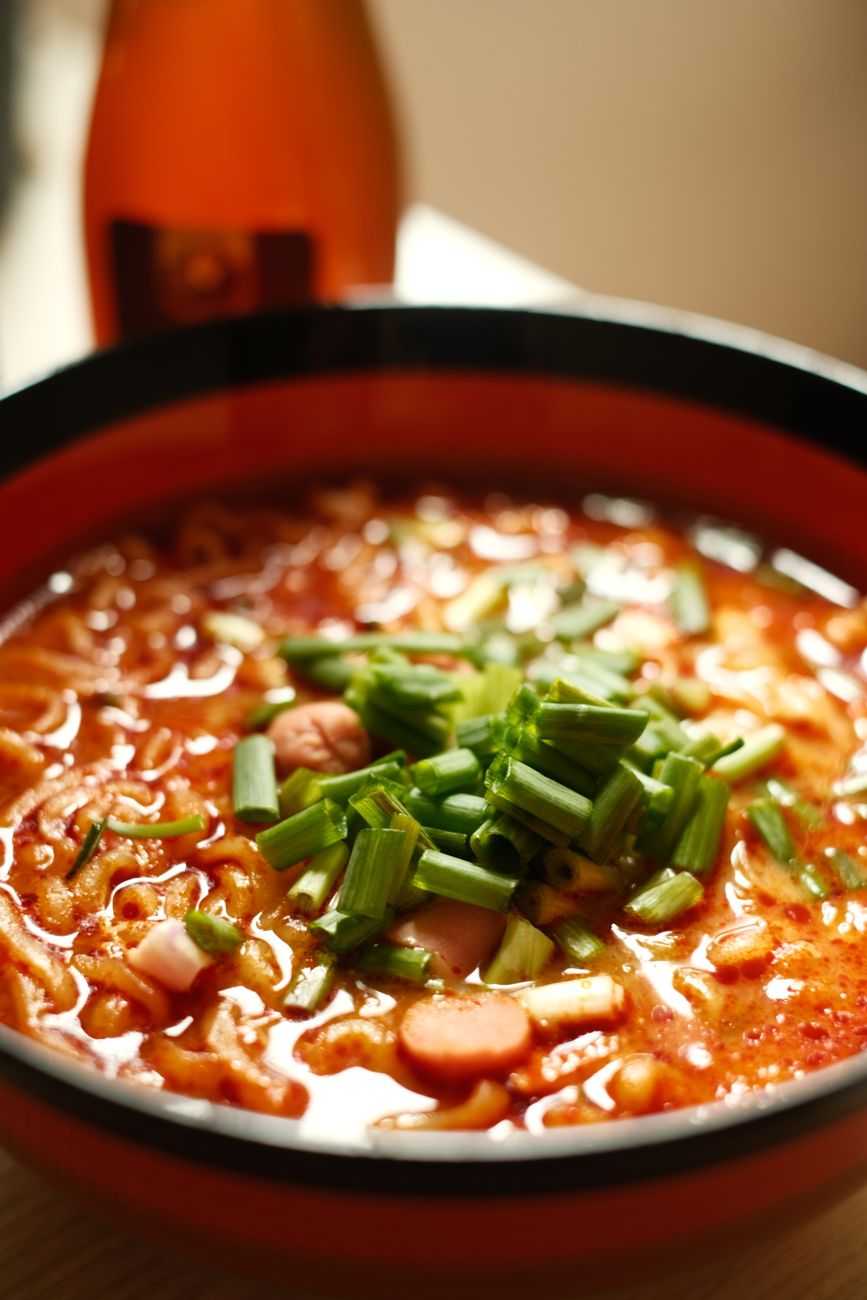
Oct 9, 2026Why Japanese Spicy Dishes Have Become Impossible to Put Down
Japanese cooks have long used chili as an accent, but the current wave of spicy dishes—ramen, miso-based bowls, karaage—works because heat is layered with umami, fat, and salt. Learn how capsaicin behaves in oil versus broth, why rayu (chili oil) builds flavor rather than just fire, and how multiple applications of heat keep a dish craveable instead of numbing.
Comments
Reader discussion is shared across recipes, reviews, and editorial pieces.
Comments are read-only while member sign-in is paused.