
science
Som Tam, Jungle Curry, and Tom Yum: Three Thai Dishes
Som tam, jungle curry, and tom yum combine chilies with different sour ingredients and herbs. Compare the preparation of each.
Share this
Pass it around
Send this page to a friend, copy the link, or save it to a Pinterest board.

Save for later
Pin this page
Save the image with a link back to this recipe, review, or article.
Som Tam, Jungle Curry, and Tom Yum: Three Thai Dishes
Som tam, jungle curry, and tom yum each build heat in a distinct way. Looking at how the ingredients and technique work together makes it easier to bring that same balance to your own cooking.
Som Tam's Acidic Heat Creates a Balanced Bite
Green papaya salad pairs its bird's eye chilies with lime juice, palm sugar, and fish sauce so the heat never sits alone. The sweet and savory elements arrive right alongside the chili heat, so each bite reads as balanced rather than just hot. Tamarind paste, when it's used, adds another layer of tartness that keeps the acid-forward profile going.
The pounding technique in the mortar matters too: working the chilies and other ingredients together breaks them down and distributes them evenly through the shredded papaya, so the heat is consistent from strand to strand instead of concentrated in a few bites.
Jungle Curry's Herbal Complexity Builds Layered Heat
Jungle curry skips the coconut milk that mellows many other Thai curries, so the paste's aromatics hit the palate directly. Galangal, Thai basil, lemongrass, and makrut lime leaves each bring a different flavor note alongside the chili heat — warming, herbal, citrusy, and bright in turn — so the dish reads as layered rather than one-dimensional.
Key players in jungle curry's flavor layering:
- Galangal: deep, warming, slightly peppery
- Thai basil: anise-like, with a mild peppery bite
- Lemongrass: bright citrus note that cuts through the heat
- Makrut lime leaves: sharp, floral citrus contrast
Tom Yum's Hot Broth Carries Its Aromatics
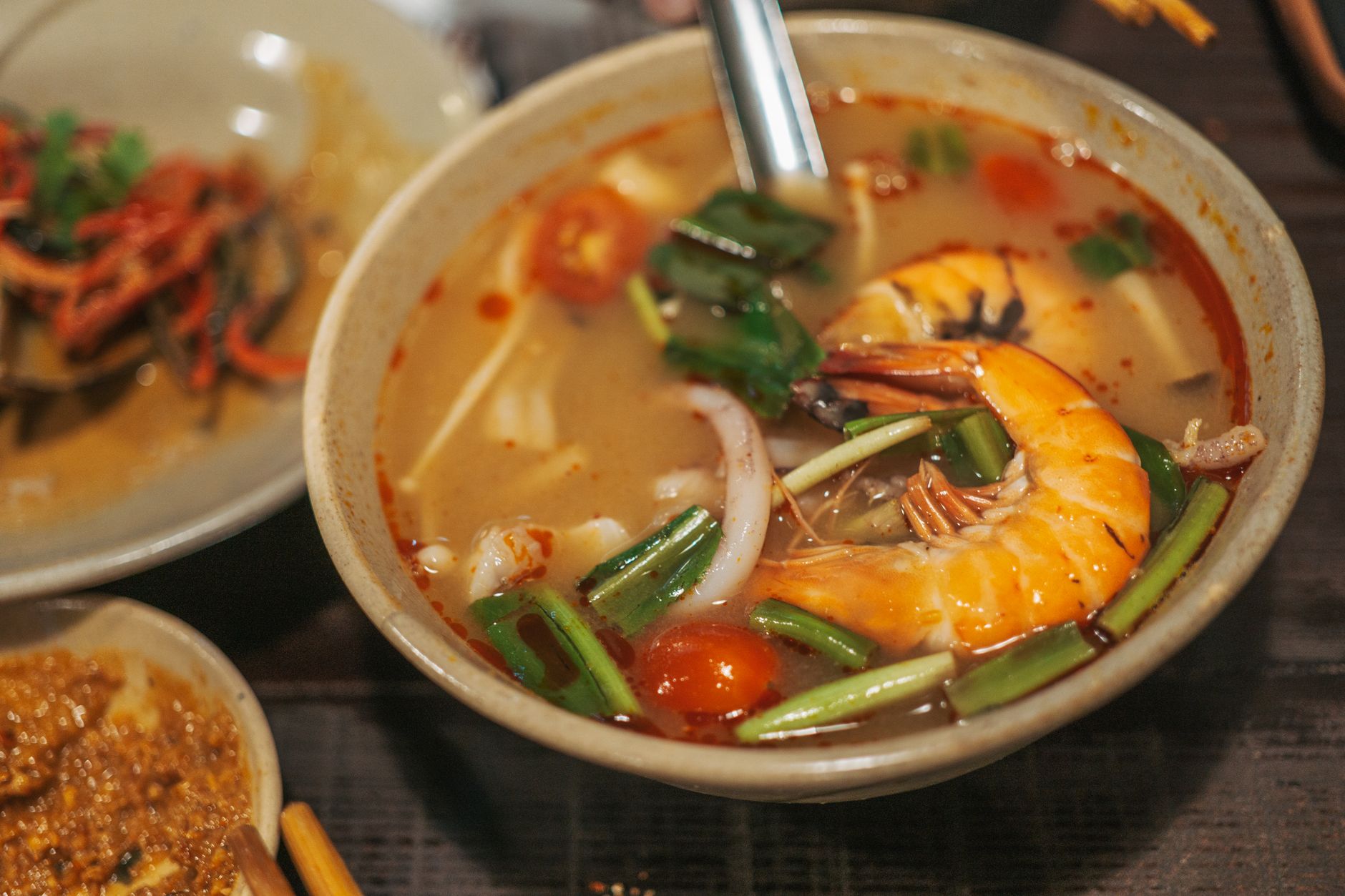
Tom yum is served hot, and that matters for how the soup tastes. Hot liquid releases the volatile aromatic oils from lemongrass and galangal more readily than a cooled broth would, so the soup smells and tastes more vivid straight off the stove. This is part of why tom yum that's been sitting around tastes flatter than a bowl that's still steaming.
The sour backbone comes from lime and tamarind, while the mushrooms and tomatoes add savory depth that rounds out the sour and spicy notes rather than leaving the broth one-note hot.
Bringing These Techniques to Your Kitchen
You don't need to follow a specific recipe to use these ideas.
For som tam-style heat, pair chilies with acid and sugar in roughly equal measure. Lime juice, rice vinegar, or a small amount of citric acid powder all work, balanced with palm sugar, brown sugar, or maple syrup.
For jungle curry-style complexity, layer a few different aromatics instead of adding more chili. Fresh ginger, lemongrass, citrus zest, and herbs like basil or cilantro each contribute a distinct note alongside the heat.
For tom yum-style broths, serve spicy soups as hot as you can safely handle, and add mushrooms, tomatoes, or fish sauce for savory depth that rounds out the heat rather than letting it sit flat.
Cook with this idea
Recipes to try next.
Put these ingredients and techniques to use in your next meal.
thai · hot
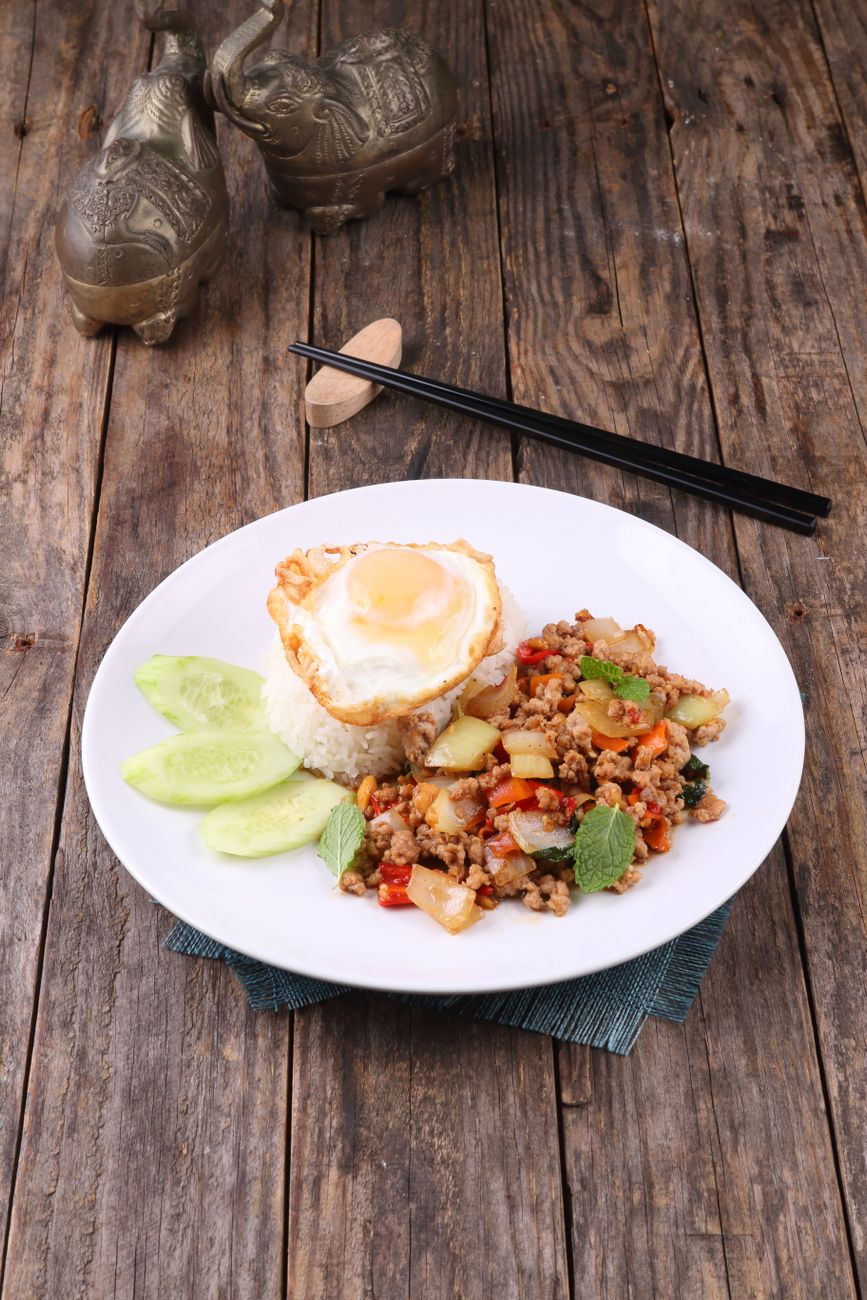
May 17, 2026Thai Chili-Garlic Stir-Fried Ground Pork (Pad Kra Pao)
Intensely aromatic ground pork stir-fried with bird's eye chilies, garlic, and holy basil in a savory-sweet sauce that brings serious heat. 18 min · 0 saves.
thai · hot
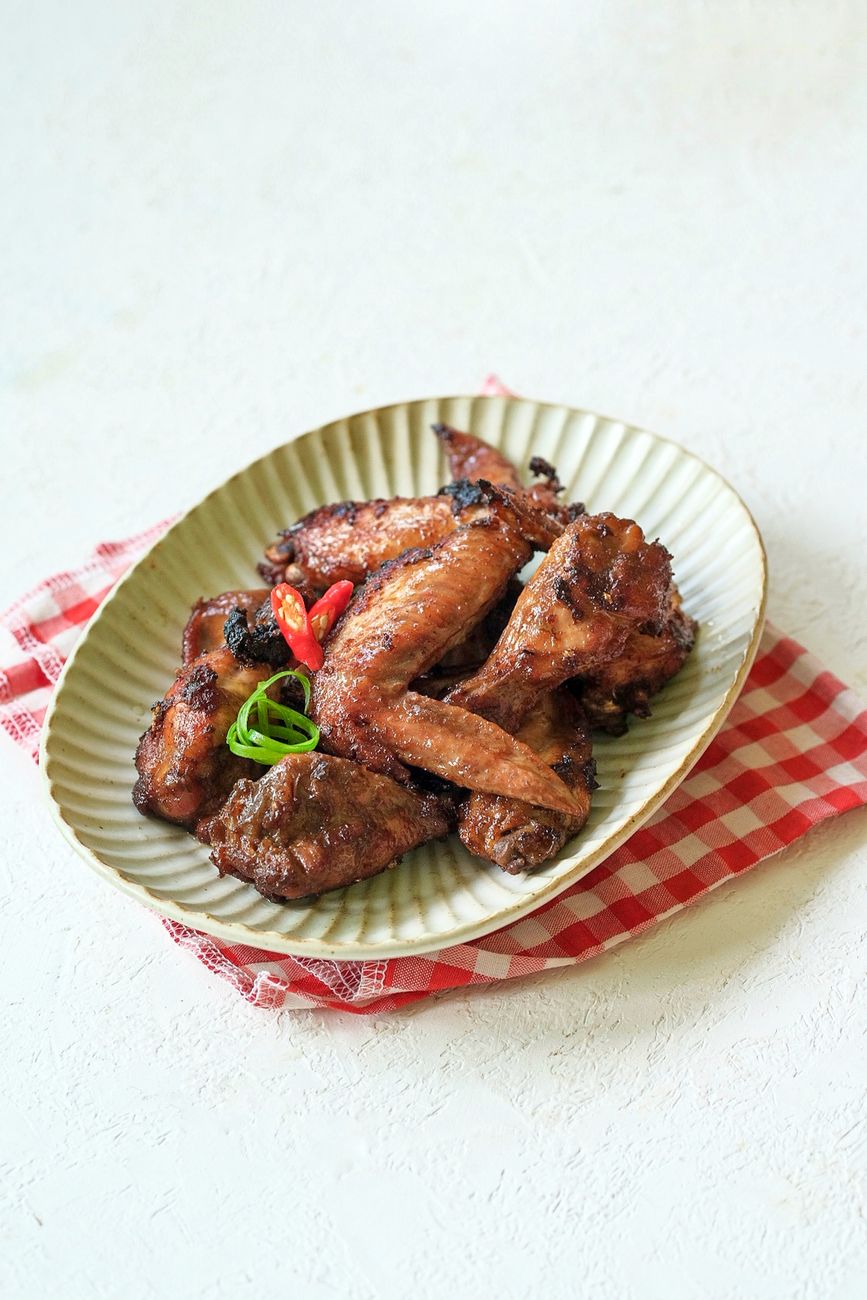
May 5, 2026Thai Hot Wings with Nam Prik Pao Glaze
Crispy chicken wings meet the complex fire of nam prik pao—Thai chili jam—in a glaze that delivers layers of smoky heat, tangy tamarind, and caramelized palm sugar. 65 min · 0 saves.

thai · hot
Mar 21, 2026Green Curry Coconut Meatballs
Tender meatballs simmered in green curry coconut sauce with basil, lime, and a slow-building chili finish. 45 min · 289 saves.
Bottle picks
Related hot sauce reviews.
Explore sauces with related ingredients, flavors, and heat levels.
Yellowbird Habanero Hot Sauce Review
A bright, carrot-forward bottle with enough heat to stay lively and enough sweetness to stay versatile.
Best for tacos
Best for: Tacos and rice bowls
Skip if: Skip if you want a classic vinegar-forward table sauce with almost no sweetness.
Read review
Queen Majesty Scotch Bonnet and Ginger Review
A bright, elegant sauce that leans on fruit, ginger, and Scotch bonnet lift instead of brute force.
Best for seafood
Best for: Seafood and fish tacos
Skip if: Skip if you want a thick, smoky wing sauce more than a bright finishing bottle.
Read review
Fly By Jing Sichuan Gold Review
A citrusy, tingly sauce with real peppercorn presence and enough versatility to move beyond dumplings.
Best for dumplings
Best for: Eggs and breakfast tacos
Skip if: Skip if you want a thick, smoky wing sauce more than a bright finishing bottle.
Read review
Go deeper
Background guides that build on this.
Keep reading
More on this subject.
If this post helped, these are the next pieces most likely to keep the thread going.
science
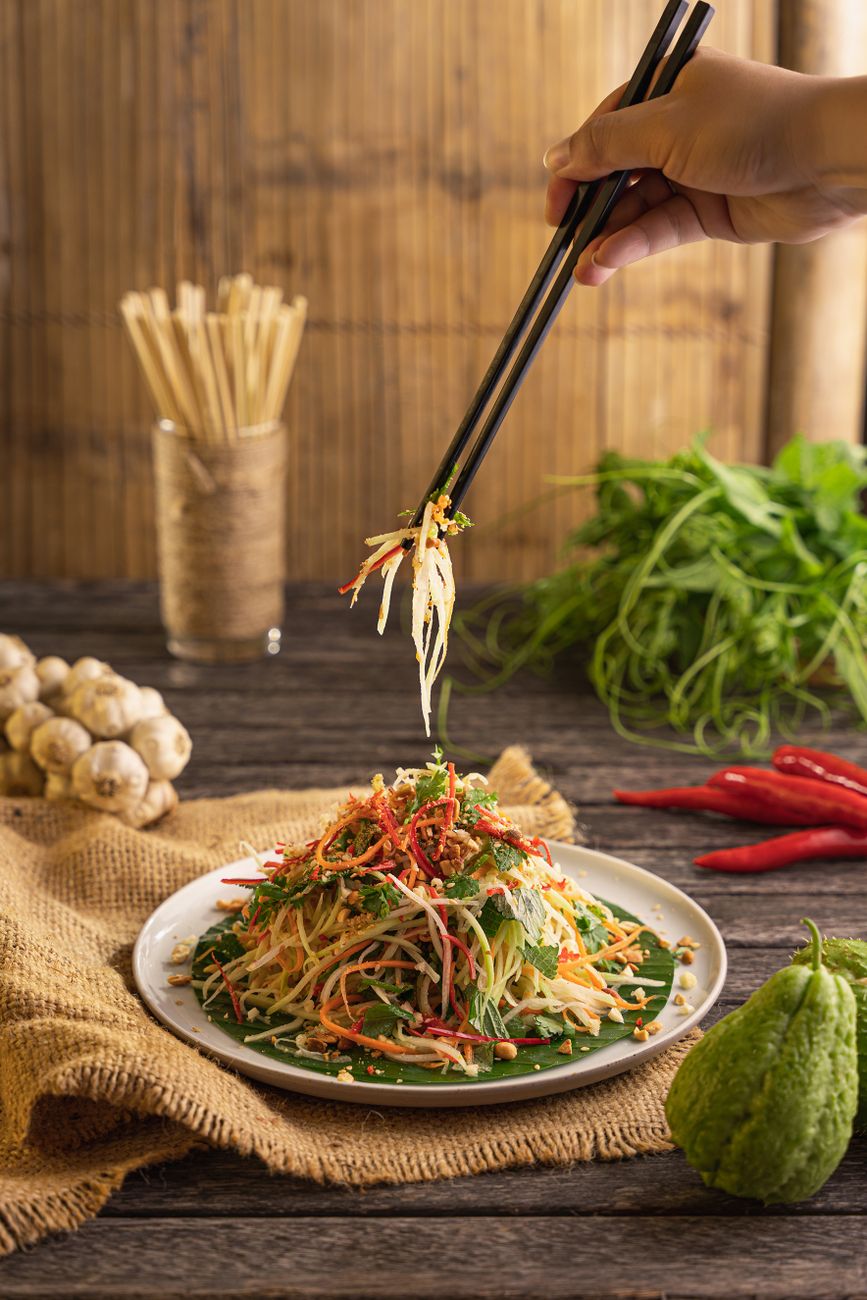
Apr 22, 2026Thai Salads and Dry Curries: Pounding, Toasting, and Frying
Pounding, toasting, and frying make a difference in Thai salads and dry curries. Learn which steps shape their texture and seasoning.

science
Apr 18, 2026Som Tam, Larb, and Nam Prik: Balancing Thai Seasonings
Som tam, larb, and nam prik use chilies alongside tart, sweet, savory, and herbal ingredients. Here's how those balances differ.
science
Oct 10, 2026Why Chili Oil and Numbing Heat Drive the Spiciest Chinese Dishes Right Now
Two kinds of heat drive the spicy Chinese dishes worth craving: the numbing tingle of Sichuan peppercorn and the slow burn of infused chili oil. Learn how they work together, which dried chilies matter, and how to build layered heat that enhances flavor instead of flattening it.
Comments
Reader discussion is shared across recipes, reviews, and editorial pieces.
Comments are read-only while member sign-in is paused.