science
Harissa, Tagines, and Mechoui: A Moroccan Cooking Guide
A closer look at harissa, tagines, and mechoui: the peppers, aromatics, and cooking methods that season each preparation.

Share this
Pass it around
Send this page to a friend, copy the link, or save it to a Pinterest board.

Save for later
Pin this page
Save the image with a link back to this recipe, review, or article.
Harissa, Tagines, and Mechoui: A Moroccan Cooking Guide
Moroccan cooks build heat differently than many single-chile spicy cuisines. Harissa, spicy tagines, and mechoui all layer peppers with aromatics, fat, and acid so the heat develops gradually across a meal instead of arriving all at once.
Here's a look at the technique behind three dishes—harissa, tagines, and mechoui—and how regional ingredients shape the way heat is built.
Choosing Harissa
Store-bought harissa often tastes flatter than versions made from scratch. Fresh chiles, hand-ground aromatics, and good olive oil lose potency once a paste is jarred and stored for months, which is part of why homemade harissa tends to taste brighter and more complex.
The secret starts with the chile blend. Traditional recipes combine several peppers for flavor as much as heat: guajillo or New Mexico chiles add smokiness, cayenne brings sharp heat, and a touch of habanero contributes fruity intensity.
Grinding matters as much as the chile selection. Pounding chiles with garlic, caraway, and coriander in a mortar releases the spices' oils more thoroughly than simply chopping them, giving the finished paste a rounder, more cohesive flavor.
Seasoning a Tagine
The clay tagine's cone-shaped lid traps steam and returns condensed moisture to the dish as it cooks, which matters over a long simmer where spices need time to soften and blend into the sauce.
The best spicy tagines don't add all their heat at once. Fresh chilies go in early with the onions and garlic, breaking down into the sauce foundation. Dried spices like cayenne bloom in oil during the initial sauté. Then harissa or chile paste gets stirred in halfway through, keeping some bright heat while letting the deeper flavors develop.
This timing lets the heat build in layers rather than arriving all at once: earthy warmth from paprika, a sharper cayenne note, and the brighter heat of chiles added early in the cook.
And preserved lemons that show up in so many recipes aren't just a tangy garnish—their acidity cuts through the richness of the sauce and helps balance the chile heat, so the dish doesn't read as one-note spicy.
Why Mechoui's Spice Crust Is Different
Mechoui—slow-roasted, spice-crusted meat—shows how smoke and sustained heat change a spice rub over time.
The Maillard reaction, which browns the meat's surface during slow roasting, deepens the flavor of the crust and helps individual spices meld into a single coating rather than sitting on the surface as separate seasonings.
Traditional mechoui spice blends aren't random. Each component serves a purpose:
- Cayenne pepper for direct heat
- Sweet paprika for color and gentle warmth
- Cumin for earthiness that tempers sharpness
- Coriander seed for bright, citrusy notes
- Garlic powder that caramelizes into sweetness
After 6 to 8 hours over coals, these spices meld into a single crust that reads as more than the sum of its parts.
How Geography Shapes the Heat
Moroccan spicing isn't uniform, and the regional differences matter more than most cookbooks let on. Atlas Mountain cooks work with small, concentrated peppers that pack serious punch. Coastal kitchens favor milder varieties that complement seafood without overwhelming delicate flavors.
Fez cuisine leans toward sophisticated warmth—complex spice blends with moderate heat. Marrakech markets favor brighter, more direct spicing that can stand up to intense tagine cooking over open flames.
Down south near the Sahara, the influence shifts toward sub-Saharan techniques and peppers like piri-piri, which build slowly and linger.
Restaurants and home cooks who follow these regional patterns are generally drawing on long-standing local preferences for how a dish should taste and how hot it should be, rather than aiming for a single generic level of spiciness.
Peppers featured in this post
Cook with this idea
Recipes to try next.
Put these ingredients and techniques to use in your next meal.
moroccan · medium
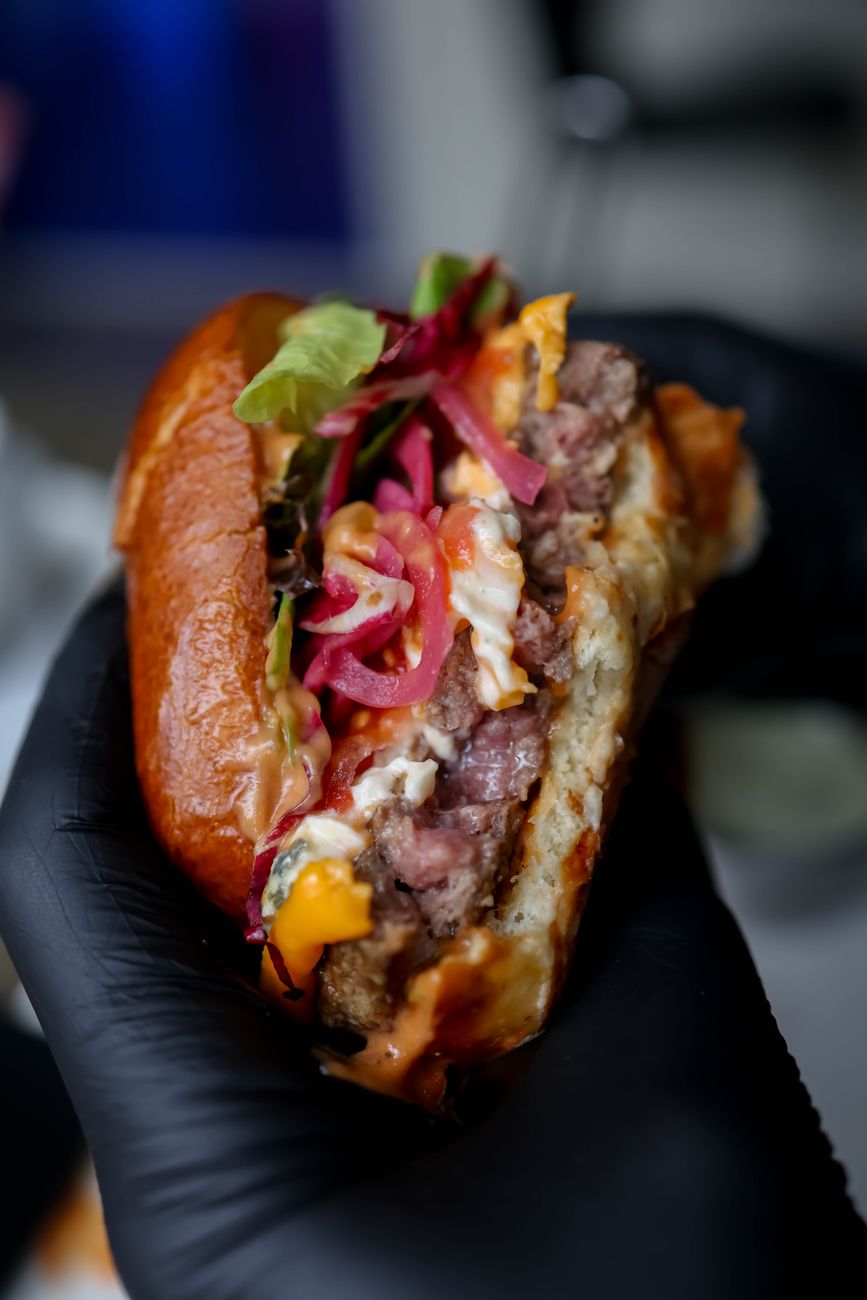
May 31, 2026Moroccan Lamb Burgers with Harissa Mayo and Preserved Lemon
Ground lamb patties seasoned with warming spices and medium-heat harissa, served on brioche with cooling harissa mayo and tangy preserved lemon 32 min · 0 saves.
moroccan · mild
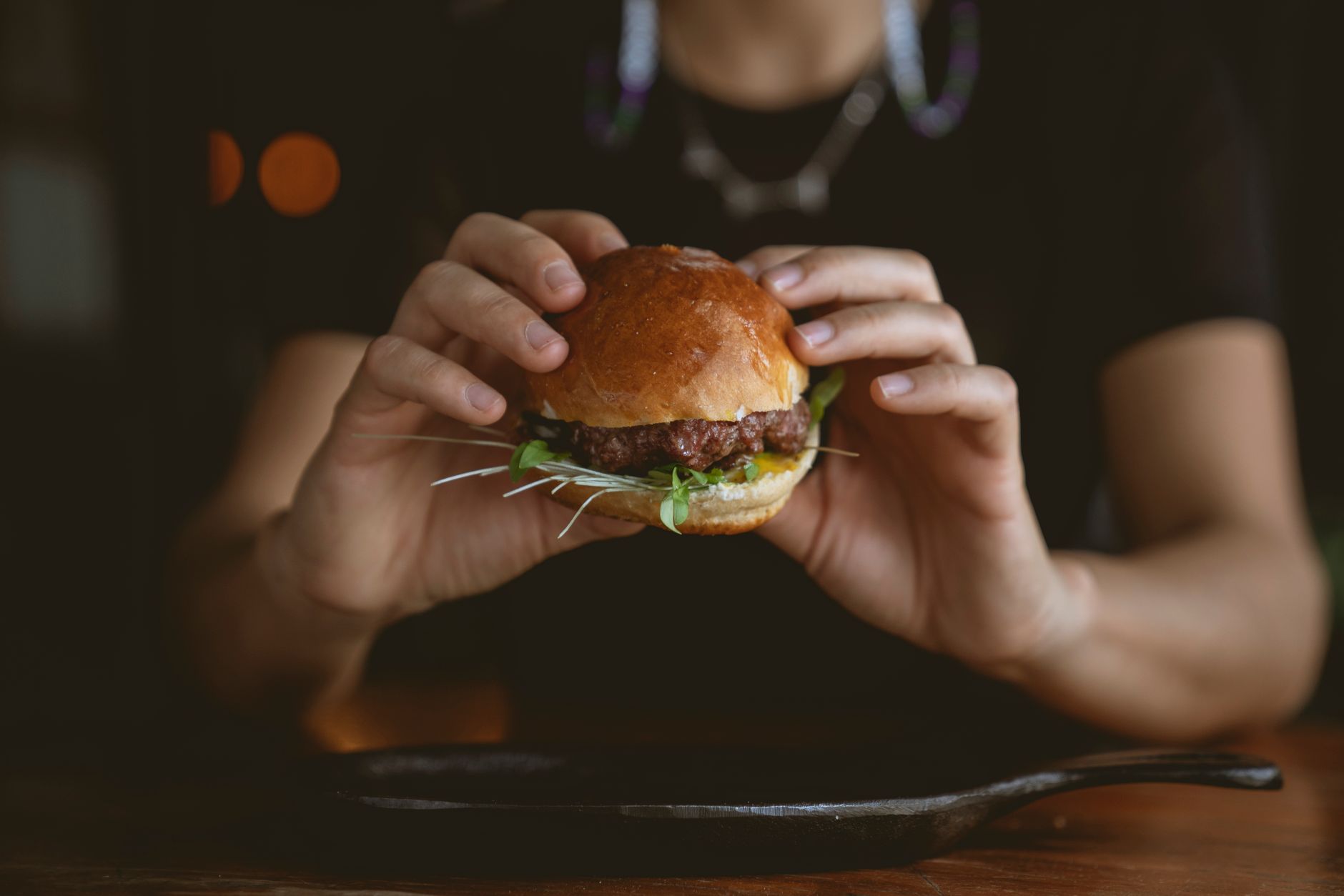
Jun 14, 2026Moroccan Lamb Burgers with Harissa Yogurt and Mint
Juicy ground lamb patties warmed with cumin, coriander, and a gentle touch of harissa, served on soft brioche with cooling yogurt sauce and bright mint leaves. 35 min · 0 saves.

moroccan · mild
May 22, 2026Moroccan Chicken Wings with Harissa Honey Glaze
Tender chicken wings glazed with a gentle harissa-honey mixture, perfumed with warm Moroccan spices and finished with fresh herbs. 60 min · 0 saves.
Bottle picks
Related hot sauce reviews.
Explore sauces with related ingredients, flavors, and heat levels.
Heatonist Los Calientes Rojo Review
Heatonist Los Calientes Rojo: flavor notes, heat level, and suggested food pairings.
Best for tacos
Best for: Tacos and rice bowls
Skip if: Skip if you are chasing a novelty-level heat hit or a super-special-occasion bottle.
Read review
Queen Majesty Scotch Bonnet and Ginger Review
A bright, elegant sauce that leans on fruit, ginger, and Scotch bonnet lift instead of brute force.
Best for seafood
Best for: Seafood and fish tacos
Skip if: Skip if you want a thick, smoky wing sauce more than a bright finishing bottle.
Read review
Yellowbird Habanero Hot Sauce Review
A bright, carrot-forward bottle with enough heat to stay lively and enough sweetness to stay versatile.
Best for tacos
Best for: Tacos and rice bowls
Skip if: Skip if you want a classic vinegar-forward table sauce with almost no sweetness.
Read review
Go deeper
Background guides that build on this.
Keep reading
More on this subject.
If this post helped, these are the next pieces most likely to keep the thread going.

science
May 12, 2026Cooking with Harissa, Chermoula, and Mechoui Spice Rubs
Harissa, chermoula, and mechoui spice rubs season stews, vegetables, and roasted meats in different ways. Here's what to look for.
science
Oct 11, 2026Why American Spicy Food is Getting Bolder: Heat, Acid, and Umami Over Fire
American spicy cooking has shifted from pure heat toward layered flavor—fermented sauces, smoked peppers, and acid working together. These techniques make heat feel less aggressive and more useful at the table.
science
Oct 9, 2026Why Japanese Spicy Dishes Have Become Impossible to Put Down
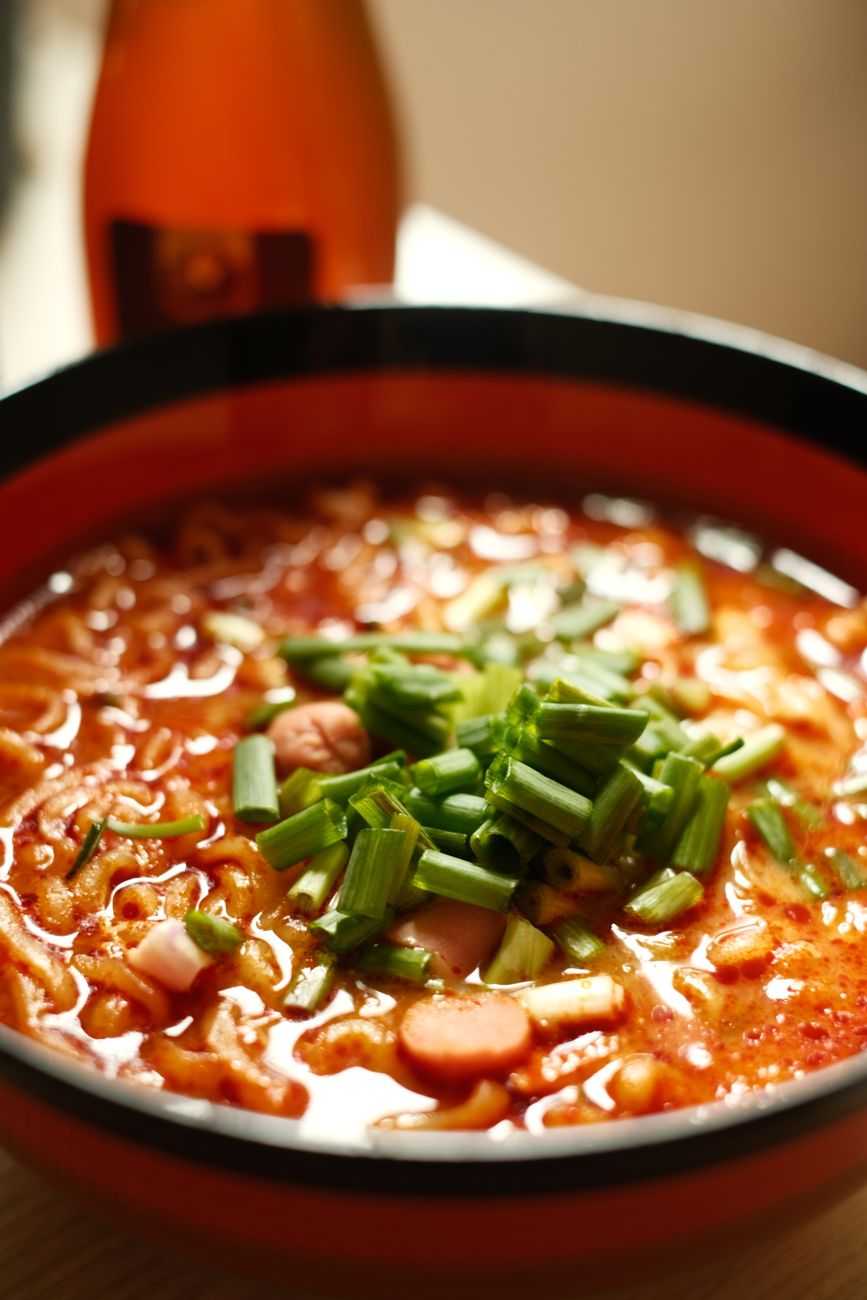
Japanese cooks have long used chili as an accent, but the current wave of spicy dishes—ramen, miso-based bowls, karaage—works because heat is layered with umami, fat, and salt. Learn how capsaicin behaves in oil versus broth, why rayu (chili oil) builds flavor rather than just fire, and how multiple applications of heat keep a dish craveable instead of numbing.
Comments
Reader discussion is shared across recipes, reviews, and editorial pieces.
Comments are read-only while member sign-in is paused.