
science
Filipino Spicy Dishes with Coconut Milk, Ferments, and Char
Coconut milk, vinegar, fermented seasonings, and charred ingredients provide contrasting flavors in Filipino spicy dishes.
Share this
Pass it around
Send this page to a friend, copy the link, or save it to a Pinterest board.

Save for later
Pin this page
Save the image with a link back to this recipe, review, or article.
Filipino spicy dishes build heat through layers—coconut milk, fermented shrimp paste, and charred aromatics—rather than through raw pepper heat alone. Chilies show up alongside fat, salt, and acid, so the heat reads as one part of the dish rather than the whole point of it.
This layered approach shows up across Filipino cooking, from coconut-based braises to grilled meats served with vinegar-chili dipping sauces. Compared to cuisines that showcase heat on its own, Filipino cooking tends to treat it as one element among several.
How the Ingredients Work Together
Coconut milk changes how spicy food tastes and feels in the mouth. Its fat coats the palate, which softens the sharp, immediate heat you get from dry chili preparations and spreads the sensation out over the course of a bite.
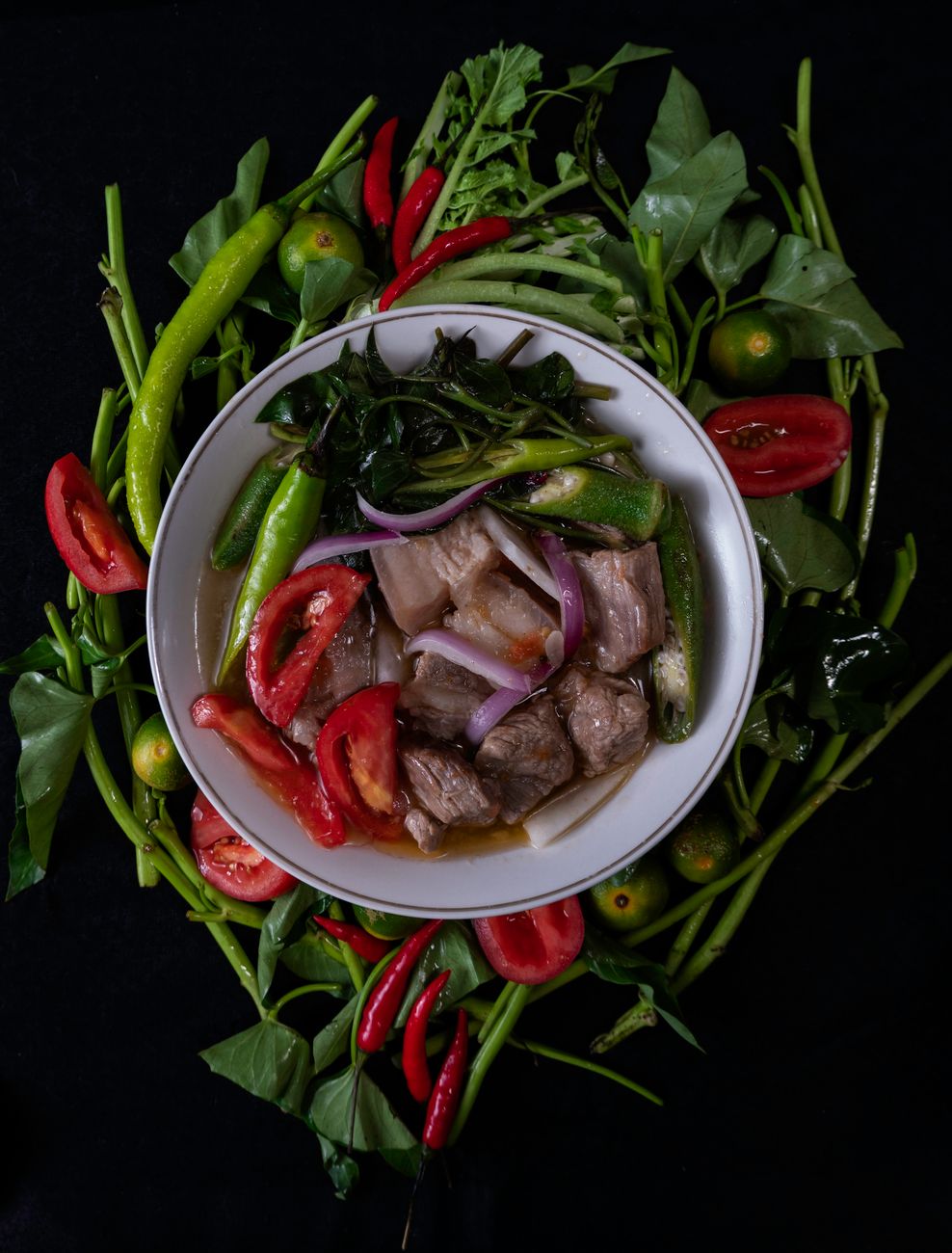
Bicol Express demonstrates this well. The dish combines pork, shrimp paste, and a generous amount of siling labuyo peppers with coconut milk that's been reduced until it's almost grainy. That reduction concentrates both the coconut's natural sweetness and the peppers' heat, while the remaining fat keeps everything balanced. Each bite delivers warmth that builds slowly, alongside the umami of fermented shrimp.
The same principle applies to dishes like ginataang hipon, where coconut milk turns what could be sharp heat from Thai chilies into something milder and more rounded. The fat doesn't eliminate the spice—it changes how it comes across.
Fermentation and Umami: The Secret Depth
Filipino cuisine's extensive use of fermented ingredients creates layers of flavor that make spicy dishes more satisfying than heat alone. Bagoong (fermented shrimp paste), patis (fish sauce), and various fermented bean pastes don't just add salt—they contribute glutamates, which are responsible for umami taste.
Combining these fermented ingredients with chili heat gives dishes savory depth alongside spice, so the result reads as complex rather than simply hot.
Sisig illustrates this well. The dish starts with pork that's been boiled, grilled, and chopped—already building flavor through multiple cooking methods. Then it's sautéed with onions, liver, and seasoned with calamansi, soy sauce, and chilies. The final result combines umami, acid, fat, and heat in the same bite.
Many versions add mayonnaise. It adds extra fat, which works the same way coconut milk does—softening the heat and helping it spread more evenly through the dish.
The key fermented players in Filipino spicy cooking include:
- Bagoong alamang: Fermented krill paste that adds oceanic depth
- Bagoong isda: Fish paste with a sharper, more pungent character
- Taho: Fermented black bean sauce for richer, earthier dishes
- Patis: Fish sauce that brightens and amplifies other flavors
The Char Factor: Smoke Meets Fire
Grilling and other high-heat cooking add another layer to spicy dishes. The browning and charring from these methods—the Maillard reaction—create savory, slightly bitter notes that sit well alongside chili heat.
Inihaw na liempo—grilled pork belly—often comes with a side of siling labuyo mixed with vinegar and soy sauce. The smokiness from the grill bridges the meat's richness and the peppers' heat, so the result tastes like one flavor rather than separate elements.
This principle extends to vegetable dishes like grilled eggplant with shrimp paste and chilies. The eggplant's smoky sweetness provides a canvas that allows you to appreciate the peppers' fruity heat alongside the bagoong's funk. Without that char, the same combination can taste unbalanced.
Even dishes that aren't technically grilled often incorporate this smoky element. Many versions of bicol express begin by charring the peppers directly over flame, adding a layer of complexity to the final dish.
Regional Heat Styles Worth Seeking Out
Filipino regions approach spice differently, and these variations are becoming more visible as Filipino restaurants expand beyond basic pancit and lumpia offerings.
Bicolano cuisine tends toward creamy heat—dishes like laing (taro leaves in coconut milk with chilies) that use coconut milk as both a cooking medium and a heat moderator. The region is known for pairing chilies with coconut milk, and cooks there rarely let heat dominate.
Ilocano cooking takes a different approach, often incorporating heat through fermented vegetables like burong mustasa (pickled mustard greens) that provide both spice and acid. Their bagnet—crispy pork belly—pairs well with these sharp, spicy accompaniments.
Cebuano lechon often comes with a liver-based sauce that incorporates chilies for heat and vinegar for brightness. The sauce cuts through the pork's richness while adding complexity that keeps each bite interesting.
Mindanaoan cuisine shows more direct Southeast Asian influence, with dishes like beef rendang that build heat slowly through layers of spice paste cooked in coconut milk until the sauce becomes almost jammy.
Making It Work at Home
Filipino-style heat doesn't require exotic ingredients or advanced techniques. The principles—using fat to moderate heat, building umami depth, incorporating smoke when possible—work with readily available ingredients.
Start with coconut milk as your base for any spicy braise or curry-style dish. Reduce it properly until it separates and becomes rich rather than watery. Add your heat source gradually, tasting as you go. The goal isn't maximum spice—it's balance.
Invest in good fish sauce and shrimp paste. These ingredients transform simple spicy dishes into something with real depth. A basic fried rice becomes more interesting when you add fish sauce, chilies, and a squeeze of calamansi (or lime as a substitute).
Don't skip the acid. Filipino dishes almost always include some form of brightness—vinegar, citrus, or fermented vegetables. This acid component makes spicy food taste more refreshing and helps cleanse your palate between bites.
In Filipino cooking, heat generally serves the meal rather than testing whoever's eating it.
Cook with this idea
Recipes to try next.
Put these ingredients and techniques to use in your next meal.
other · medium
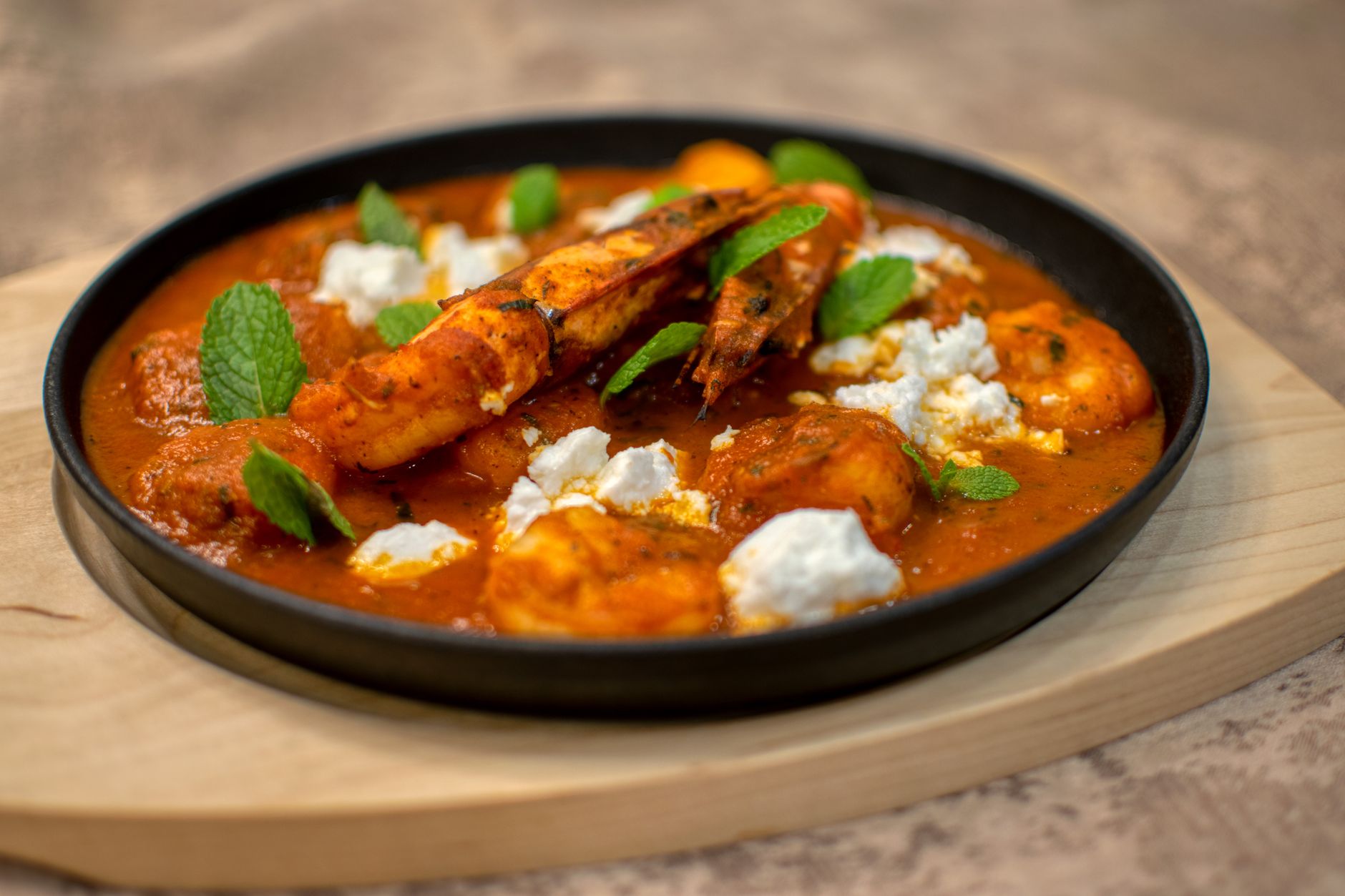
Oct 19, 2026Shrimp Saganaki with Chilli and Feta
Pan-seared shrimp finished with a warm tomato sauce, crumbled feta, and dried chilli heat—a Greek seafood dish that cooks in one skillet. 25 min · 0 saves.

other · medium
Oct 11, 2026Rendang Daging (Malaysian Beef Rendang)
A slow-braised beef stew where fresh red chillies, garlic, ginger and galangal break down into a paste, then simmer in coconut milk until the liquid reduces to a glossy, spiced glaze clinging to each piece of meat. The beef becomes tender enough to break with a spoon, and the heat builds gradually from the chillies and warm spices—cardamom, cloves, cinnamon—rather than arriving sharp and alone. 115 min · 0 saves.

other · medium
Oct 9, 2026Moqueca de Camarão com Pimenta
A Brazilian seafood stew where shrimp braise gently in coconut milk with red peppers, garlic, coriander, and fresh malagueta chillies. The heat builds slowly from the whole peppers simmered in the sauce, so you taste the shrimp's sweetness and the garlic's depth before any burn catches up. 40 min · 0 saves.
Bottle picks
Related hot sauce reviews.
Explore sauces with related ingredients, flavors, and heat levels.
Fly By Jing Sichuan Gold Review
A citrusy, tingly sauce with real peppercorn presence and enough versatility to move beyond dumplings.
Best for dumplings
Best for: Eggs and breakfast tacos
Skip if: Skip if you want a thick, smoky wing sauce more than a bright finishing bottle.
Read review
Mike's Hot Honey Review
Sweet heat done right: sticky, quick, and versatile enough to become a finishing move instead of a novelty.
Best for gifting
Best for: Pizza and fried chicken
Skip if: Skip if you want a classic vinegar-forward table sauce with almost no sweetness.
Read review
Heatonist Los Calientes Rojo Review
Heatonist Los Calientes Rojo: flavor notes, heat level, and suggested food pairings.
Best for tacos
Best for: Tacos and rice bowls
Skip if: Skip if you are chasing a novelty-level heat hit or a super-special-occasion bottle.
Read review
Go deeper
Background guides that build on this.
Keep reading
More on this subject.
If this post helped, these are the next pieces most likely to keep the thread going.
science
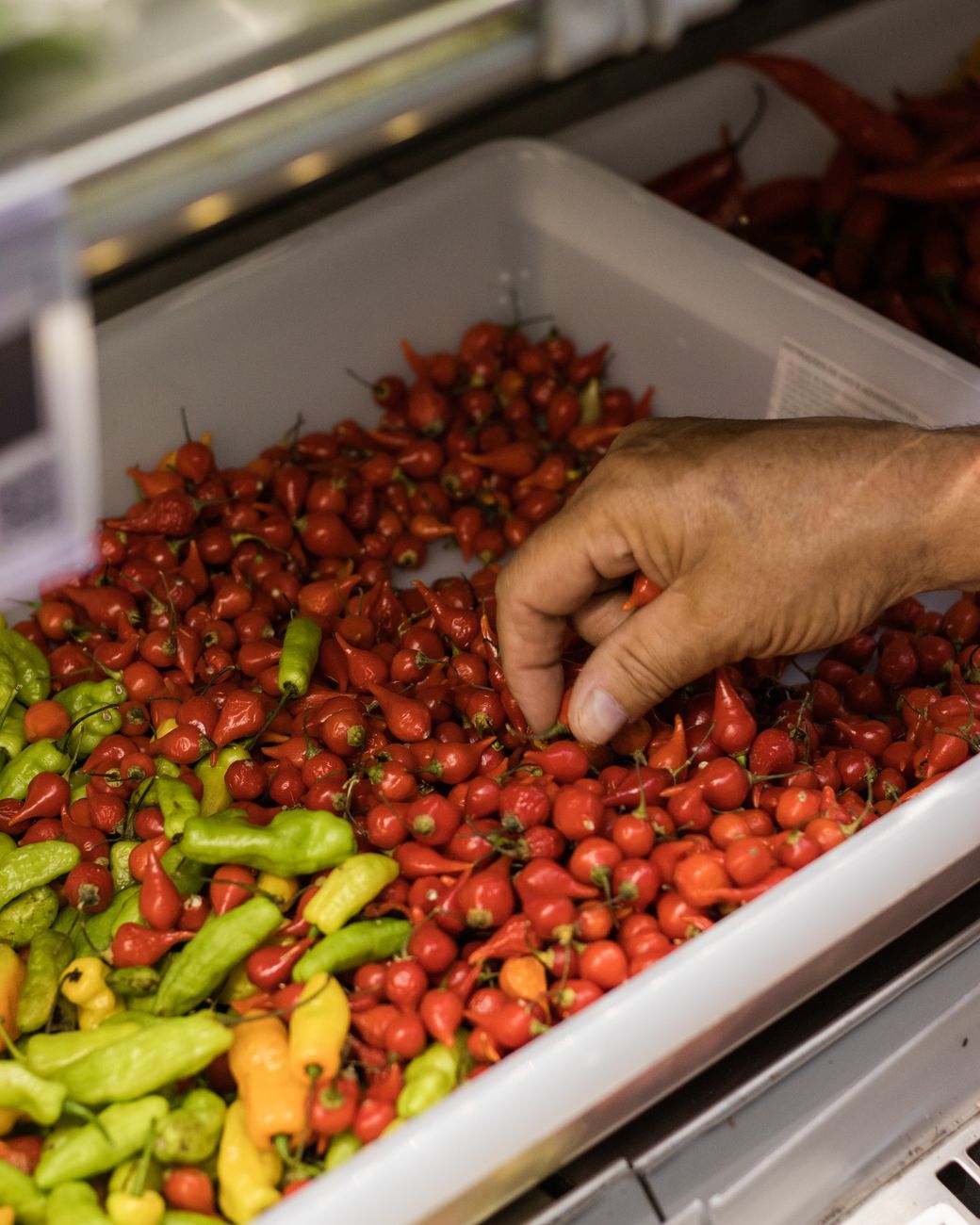
Sep 7, 2026Why Spicy Brazilian Cooking Is Having a Moment—And What You Should Actually Cook
Brazilian heat culture goes way beyond malagueta peppers—and it's finally getting the attention it deserves. We're breaking down the regional spicy dishes actually worth cooking right now, from Bahian dendê-fired seafood to São Paulo's fermented pimenta biquinho renaissance, plus why this approach to building heat (layered, craveable, never punishing) is exactly what home cooks are hungry for.
science
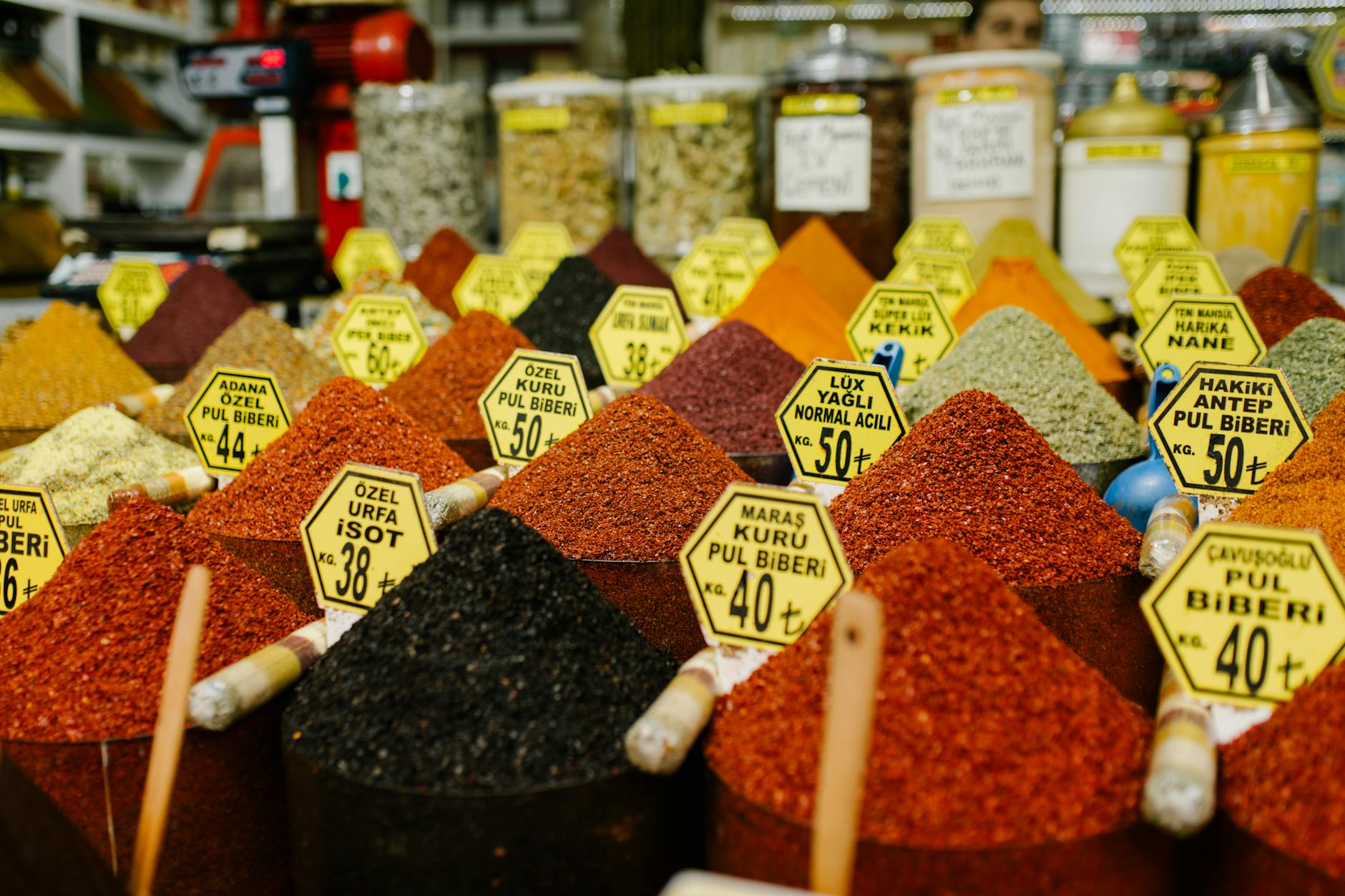
Jun 12, 2026Urfa Biber: How Turkish Dried Peppers Are Prepared and Used
A guide to Urfa biber and Turkish dried-pepper preparation, with ideas for seasoning dishes without relying on a single measure of heat.
science
Jun 1, 2026Greek Spiced Dishes: Gemista, Horiatiki, and Table Seasonings
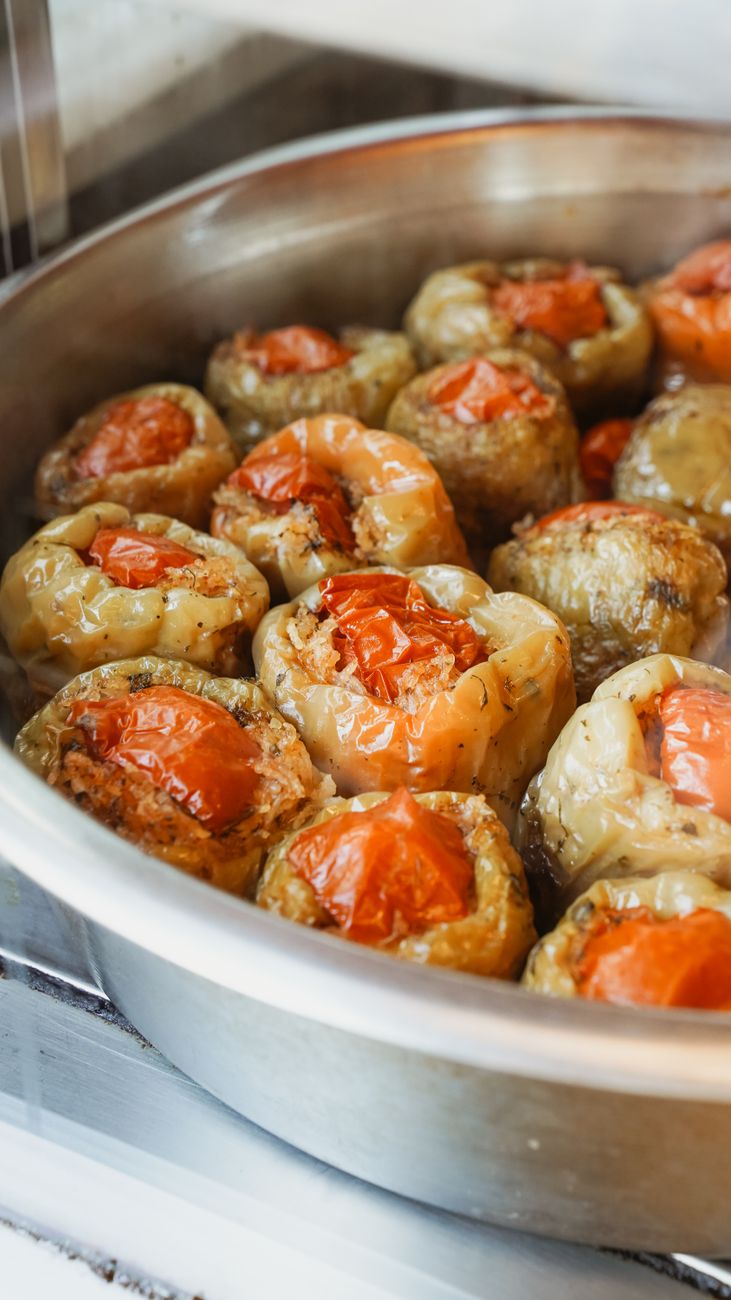
Gemista, horiatiki, and pepper-seasoned Greek dishes offer different ways to combine vegetables, cheese, herbs, and acidity.
Comments
Reader discussion is shared across recipes, reviews, and editorial pieces.
Comments are read-only while member sign-in is paused.