science
Cooking with Harissa, Chermoula, and Mechoui Spice Rubs
Harissa, chermoula, and mechoui spice rubs season stews, vegetables, and roasted meats in different ways. Here's what to look for.

Share this
Pass it around
Send this page to a friend, copy the link, or save it to a Pinterest board.

Save for later
Pin this page
Save the image with a link back to this recipe, review, or article.
Cooking with Harissa, Chermoula, and Mechoui Spice Rubs
Moroccan cooks build heat in stages rather than relying on a single chile. Three techniques—harissa-based tagines, chermoula, and mechoui-style spice rubs—show how layering warm spices, fresh chiles, and slow cooking can produce heat that feels balanced rather than one-note.
Harissa-Based Tagines: Where Patience Meets Fire
A tagine's conical lid creates a gentle steam environment as it cooks. Harissa, a paste of dried chiles, garlic, and warm spices, mellows and spreads through the dish over the course of long, slow cooking.
As the tagine cooks, the cayenne and bird's eye chiles in harissa break down and distribute their heat through the dish. The supporting spices—coriander, caraway, cumin—also deepen in flavor compared to their raw state.
In a spicy lamb tagine with apricots, the harissa starts as a coating on the meat, but by the time the dish is done, the heat runs through the dried fruit, vegetables, and cooking liquid rather than sitting on the surface.
Chicken tagine with preserved lemons and olives works differently. Here the harissa combines with the concentrated saltiness of the lemons and olives for a brighter, sharper heat that plays off the richness of the chicken.
For those still building tolerance to spice, tagines are a good entry point: the slow cooking spreads the heat evenly, and the rich, fatty sauce gives the palate a break between bites.
How the Ingredients Work Together
Chermoula is a paste of fresh chiles, cilantro, parsley, garlic, and preserved lemons—more herb-forward and complex than a bottled hot sauce.
The heat comes mainly from fresh green chiles, such as serranos, which give a brighter, more immediate warmth than dried chiles. The fresh herbs balance that heat, making the paste taste lively rather than harsh.
Chermoula-marinated fish shows the condiment well. The acidity from lemon and vinegar helps tenderize the fish, while the chiles add steady warmth. Grilling adds a little char to the herbs, which brings a smoky note alongside the heat.
It also works well with grilled vegetables—eggplant, zucchini, peppers. The vegetables absorb the spiced oil, and their natural sugars caramelize against the chile heat as they cook.
Mechoui-Style Spice Rubs: When Fire Meets Crust
Mechoui began as a method for pit-roasting meat in Morocco and has grown into a broader spice-rub technique. Dry blends of ground dried chiles and warm spices form a crust that delivers heat gradually rather than all at once.
A typical mechoui blend includes:
- Ground cayenne or Aleppo pepper for the base heat
- Smoked paprika for depth and color
- Ras el hanout for added complexity
- Coarse salt to draw out surface moisture
- Ground coriander and cumin for an earthy backbone
Lamb shoulder takes well to mechoui treatment: a spiced, caramelized crust forms on the outside while the interior stays tender. As fat renders during cooking, it carries some of the spice through the meat, so the heat builds gradually rather than hitting all at once.
Chicken with mechoui spicing lets each spice come through more distinctly because the meat is lighter, and the skin caramelizes around the chile coating.
Vegetarian versions with cauliflower or root vegetables also work well. Moisture from the vegetables helps the spices bloom during roasting, and the vegetables' natural sugars caramelize alongside the chile.
What Ties These Dishes Together
Fat and acid do a lot of the work in all three preparations. Tagines use cooking oil and rendered meat fat to carry harissa's heat through the dish. Chermoula relies on olive oil to help distribute the chile and herbs. Mechoui rubs depend on rendered fat during roasting to help the crust form and stick to the meat.
Acid also plays a supporting role: preserved lemons, fresh lemon juice, and vinegar brighten the dish and cut through the richness of the fat, which keeps the heat from feeling one-dimensional.
Warm spices such as coriander and cumin add their own flavor alongside the chile heat, giving these dishes more going on than heat alone.
Bringing This to Your Kitchen
These techniques adapt well to a home kitchen with a few adjustments.
For tagine-style cooking without a clay vessel, a heavy Dutch oven with a tight-fitting lid works well. Keep the heat low and steady, and avoid lifting the lid more than necessary—the steam cycle inside is doing the work of distributing flavor.
Chermoula benefits from resting. Mix the paste a few hours ahead so the flavors can meld. The chile heat may intensify slightly as it sits, so start with less if you're unsure how much you want.
Mechoui spice rubs should go on well before cooking, so the salt has time to draw out moisture and help the spices adhere. In a home oven, start at a higher temperature to develop the crust, then lower it for the remaining cooking time to approximate the effect of slow pit-roasting.
Peppers featured in this post
Cook with this idea
Recipes to try next.
Put these ingredients and techniques to use in your next meal.
moroccan · medium
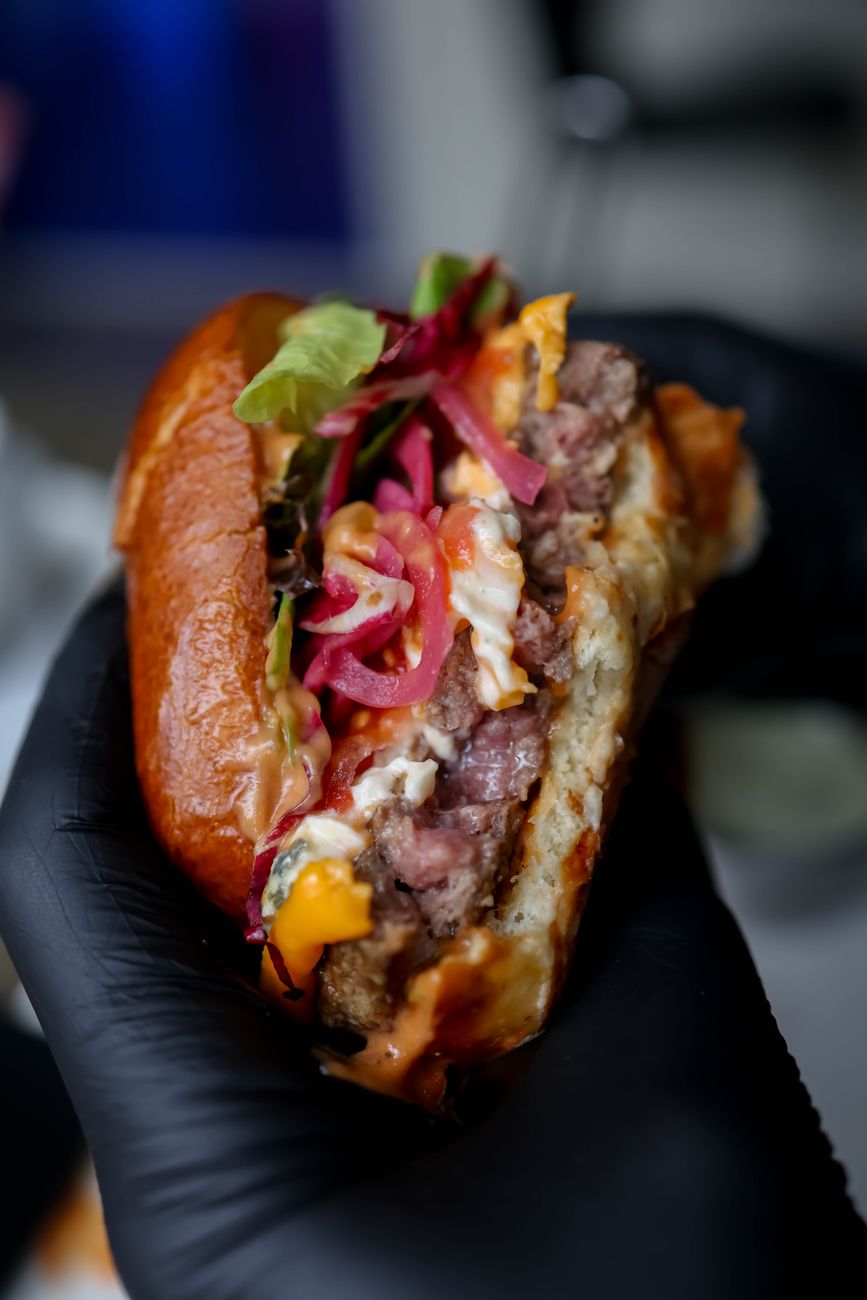
May 31, 2026Moroccan Lamb Burgers with Harissa Mayo and Preserved Lemon
Ground lamb patties seasoned with warming spices and medium-heat harissa, served on brioche with cooling harissa mayo and tangy preserved lemon 32 min · 0 saves.
moroccan · mild
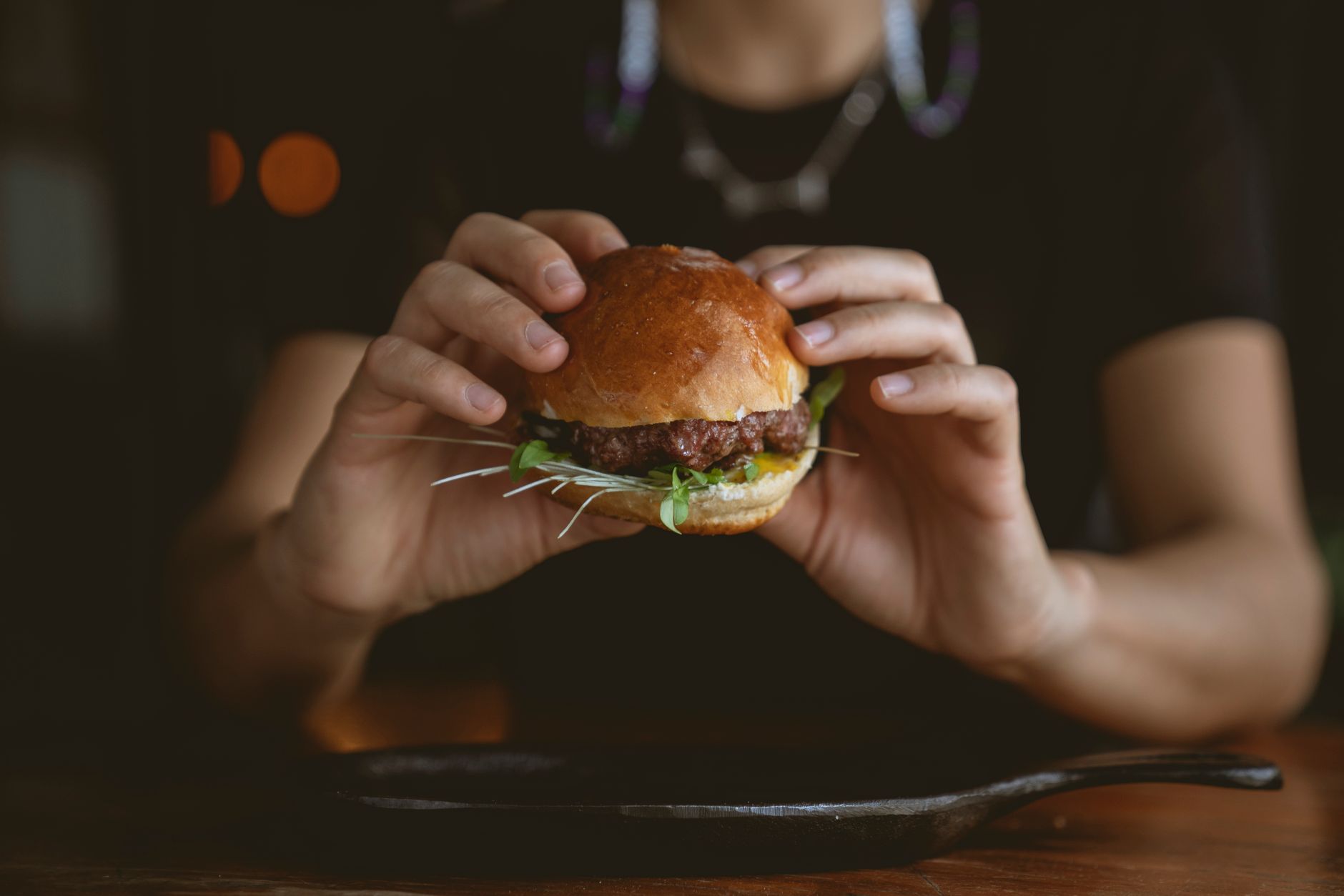
Jun 14, 2026Moroccan Lamb Burgers with Harissa Yogurt and Mint
Juicy ground lamb patties warmed with cumin, coriander, and a gentle touch of harissa, served on soft brioche with cooling yogurt sauce and bright mint leaves. 35 min · 0 saves.

moroccan · mild
May 22, 2026Moroccan Chicken Wings with Harissa Honey Glaze
Tender chicken wings glazed with a gentle harissa-honey mixture, perfumed with warm Moroccan spices and finished with fresh herbs. 60 min · 0 saves.
Bottle picks
Related hot sauce reviews.
Explore sauces with related ingredients, flavors, and heat levels.
Heatonist Los Calientes Rojo Review
Heatonist Los Calientes Rojo: flavor notes, heat level, and suggested food pairings.
Best for tacos
Best for: Tacos and rice bowls
Skip if: Skip if you are chasing a novelty-level heat hit or a super-special-occasion bottle.
Read review
Yellowbird Habanero Hot Sauce Review
A bright, carrot-forward bottle with enough heat to stay lively and enough sweetness to stay versatile.
Best for tacos
Best for: Tacos and rice bowls
Skip if: Skip if you want a classic vinegar-forward table sauce with almost no sweetness.
Read review
Queen Majesty Scotch Bonnet and Ginger Review
A bright, elegant sauce that leans on fruit, ginger, and Scotch bonnet lift instead of brute force.
Best for seafood
Best for: Seafood and fish tacos
Skip if: Skip if you want a thick, smoky wing sauce more than a bright finishing bottle.
Read review
Go deeper
Background guides that build on this.
Keep reading
More on this subject.
If this post helped, these are the next pieces most likely to keep the thread going.

science
May 19, 2026Harissa, Tagines, and Mechoui: A Moroccan Cooking Guide
A closer look at harissa, tagines, and mechoui: the peppers, aromatics, and cooking methods that season each preparation.

science
Oct 11, 2026Why American Spicy Food is Getting Bolder: Heat, Acid, and Umami Over Fire
American spicy cooking has shifted from pure heat toward layered flavor—fermented sauces, smoked peppers, and acid working together. These techniques make heat feel less aggressive and more useful at the table.
science
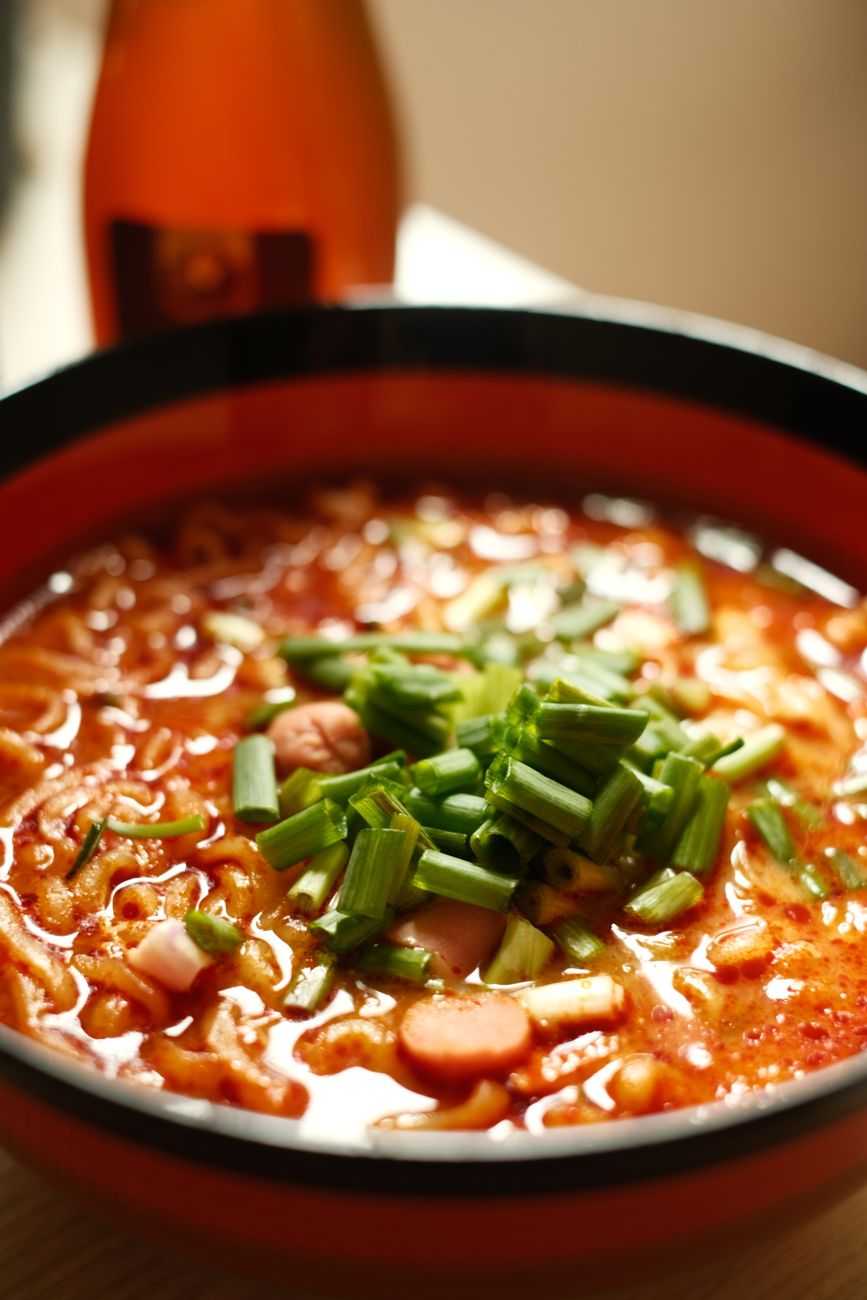
Oct 9, 2026Why Japanese Spicy Dishes Have Become Impossible to Put Down
Japanese cooks have long used chili as an accent, but the current wave of spicy dishes—ramen, miso-based bowls, karaage—works because heat is layered with umami, fat, and salt. Learn how capsaicin behaves in oil versus broth, why rayu (chili oil) builds flavor rather than just fire, and how multiple applications of heat keep a dish craveable instead of numbing.
Comments
Reader discussion is shared across recipes, reviews, and editorial pieces.
Comments are read-only while member sign-in is paused.