
culture
Three Malaysian Spice Styles That Will Change How You Think About Heat
Malaysian cooks have mastered something most of us are still figuring out: how to make heat that doesn't just burn, but builds, teases, and keeps you coming back. From the tingly complexity of Sarawak laksa to rendang's patient fire, these three styles will teach you what sophisticated spice really means.

Share this
Pass it around
Send this page to a friend, copy the link, or save it to a Pinterest board.

Save for later
Pin this page
Save the image with a link back to this recipe, review, or article.
Here's what I love about Malaysian heat: it never shows off. No chest-thumping, no pepper contests, no "I dare you" attitude. Instead, Malaysian cooks treat spice like a conversation—sometimes a whisper, sometimes urgent, but always with purpose. They've figured out that the most addictive heat isn't the kind that makes you suffer; it's the kind that makes you lean in for more.
I keep coming back to three particular approaches that showcase this philosophy beautifully. Each one handles fire differently, and each one offers something useful for those of us trying to bring more thoughtful heat into our own kitchens.
The Gentle Tease of Sarawak Laksa
Sarawak laksa is the friend who tells the best stories—it draws you in slowly, then keeps you completely absorbed. This East Malaysian noodle soup doesn't hit you with heat right away. Instead, it builds this gorgeous, tingly warmth that seems to bloom across your tongue and stick around just long enough to make you want another spoonful.
The magic starts with the spice paste, where dried chiles team up with candlenuts, lemongrass, and galangal. But here's the thing: those chiles—usually a mix of dried red chiles and bird's eye chiles—aren't trying to knock you out. They're providing this gentle, fruity warmth that gets lifted by tamarind's tartness and smoothed by coconut milk.
What gets me every time is how everything in the bowl plays together. The rice vermicelli soaks up that spicy, aromatic broth. Sweet prawns balance the heat. Fresh herbs cool things down just enough. You're not just tasting fire—you're tasting the whole orchestra, with heat as one instrument among many.
The technique here is pure gold for home cooking: instead of adding heat at the end, you build it into the foundation. Those dried chiles get soaked, blended into paste, then fried with aromatics until they smell incredible and release their oils. This is how you get heat that tastes integrated rather than sprinkled on top.
Rendang's Patient Burn
If Sarawak laksa is a charming storyteller, rendang is the wise elder who takes their time getting to the point—and you hang on every word. This dish teaches you that the best heat isn't rushed. It cooks down for hours, concentrating and deepening until each bite delivers this rich, clinging spice that builds as you chew.
The spice paste starts with an impressive lineup of both fresh and dried chiles, but don't let that intimidate you. The long, gentle cooking transforms everything. As the coconut milk reduces and the paste caramelizes, that initial sharp heat mellows into something warm and almost jammy. Galangal, lemongrass, and kaffir lime leaves weave in aromatic complexity that keeps things interesting.
Time becomes an ingredient here. Those chiles lose their raw edge and develop sweetness. The coconut milk breaks down, releasing oils that carry spice compounds deep into every piece of meat. You end up with heat that doesn't just sit on your tongue—it infuses everything.
This is the kind of spice that makes you reach for rice not because you need rescue, but because you want to experience how that concentrated heat plays against something cool and neutral. It's heat with staying power, the kind that lingers pleasantly and makes you think about your next bite while you're still working on the current one.
Sambal Belacan's Bright Honesty
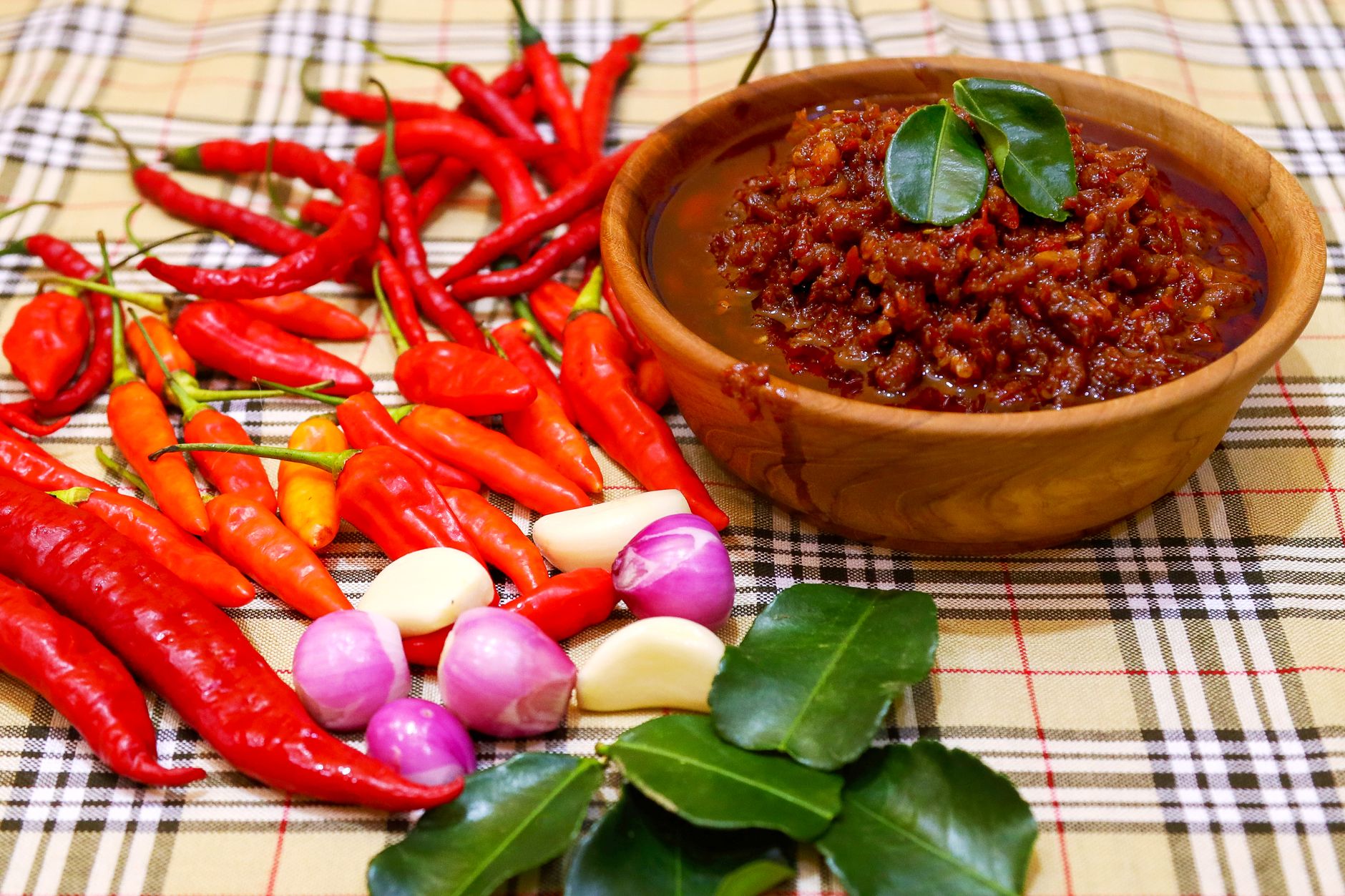
Then there's sambal belacan, which takes a completely different approach: pure, unapologetic fire, but with enough sophistication to keep things compelling. This chile paste combines fresh bird's eye chiles with dried shrimp paste (belacan) and lime juice into something that's simultaneously spicy, funky, and bright.
The heat hits immediately—no games, no buildup. But it's balanced by these other bold flavors that prevent it from becoming a one-note scream. The belacan provides this deep, umami richness that anchors the fire, while lime juice cuts through everything with clean acidity that keeps your palate engaged rather than overwhelmed.
What I find brilliant about sambal belacan is how it transforms whatever it touches. Stir a spoonful into fried rice, and you get these perfect pockets of intense heat. Spread it on grilled fish for a spicy crust that contrasts beautifully with mild flesh. Toss it with vegetables for a coating that amplifies rather than masks their natural flavors.
The balance is everything here:
• Fresh chiles bring immediate heat plus fruity complexity • Belacan adds savory depth and fermented richness • Lime juice brightens and cuts through intensity • Just a touch of palm sugar smooths any harsh edges
This approach gives you serious fire without the punishment. Use it as a condiment rather than stirring it throughout a dish, and you let people control their own adventure while ensuring that those who want heat can get plenty.
What This Means for Your Kitchen
These three styles represent different philosophies, but they share techniques that work beautifully at home. Malaysian spice cooking focuses on building pastes from whole ingredients, frying those pastes to develop their character, and balancing heat with other strong flavors instead of trying to calm it down with dairy or sugar.
Yes, some ingredients require a trip to an Asian grocer or an online order—dried red chiles, bird's eye chiles, galangal, belacan. But they keep well and open up so many possibilities that the investment pays off quickly.
More than anything, these dishes prove that sophisticated heat isn't about extreme peppers or showing off your tolerance. The most craveable spicy food enhances rather than dominates, builds complexity alongside intensity, and leaves you planning your next bite instead of reaching for milk. That's heat worth learning from.
Cook with this idea
Recipes to try next.
Put these ingredients and techniques to use in your next meal.

other · hot
Oct 8, 2026Sambal Udang Petai
Stir-fried prawns with stink beans and fiery sambal, built on shallots, garlic and bird's eye chillis. A weeknight dinner that delivers serious heat without lengthy prep. 18 min · 0 saves.
other · hot
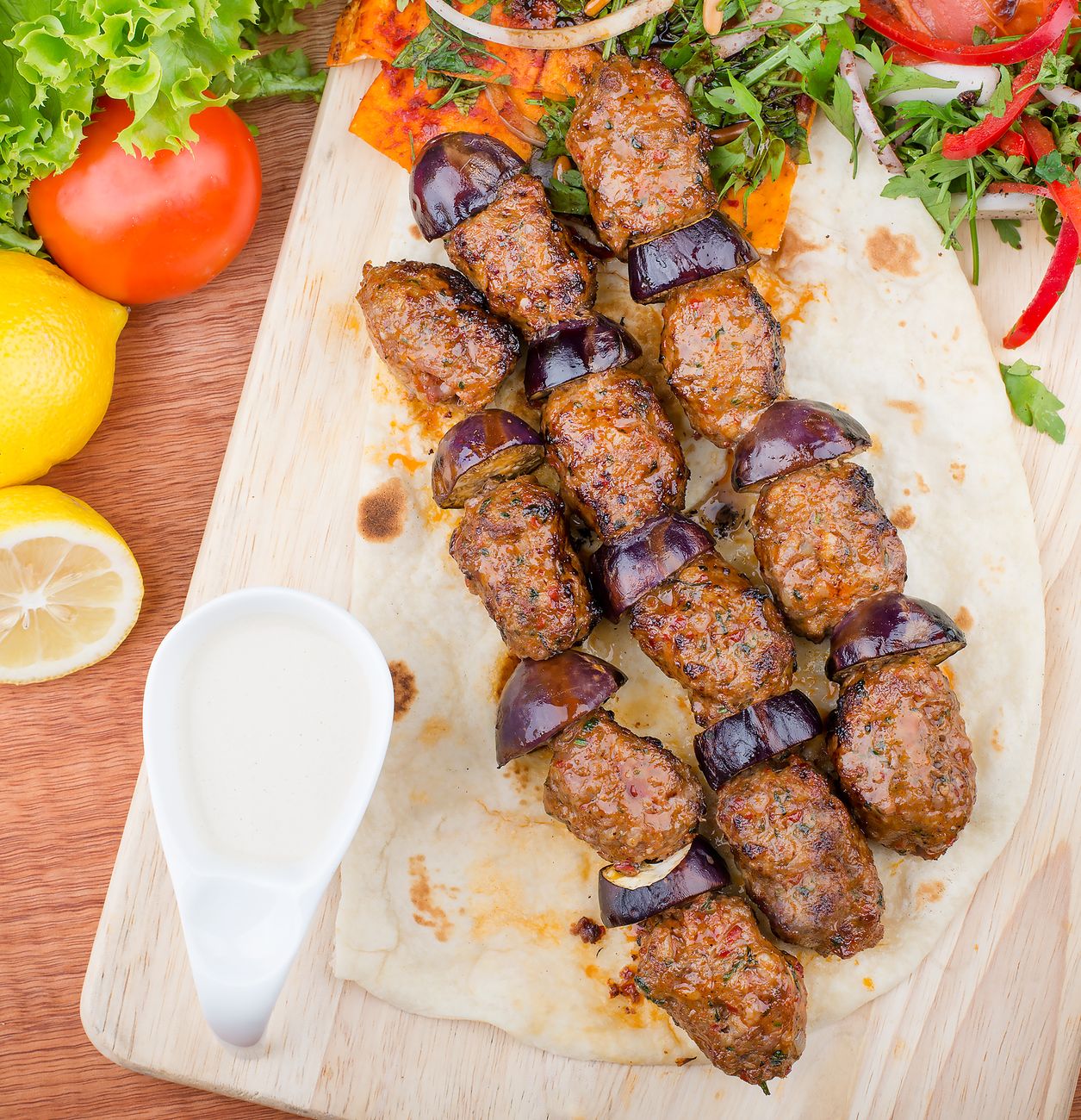
Sep 7, 2026Adana Kebab with Charred Chilli and Sumac
Ground lamb pressed onto flat metal skewers and grilled hard over flame until blackened and crackling on the outside, tender and juicy within. This Turkish street classic gets its serious kick from fresh red chilli ground into the meat and dried Aleppo chilli that brings warmth and fruity depth. The grill is non-negotiable—charcoal or gas flame gives you the char and smoke that makes this dish sing. 32 min · 0 saves.

other · hot
Jun 8, 2026Moqueca de Camarão with Malagueta Fire
Brazilian coconut shrimp stew spiked with fresh malagueta and habanero peppers for serious heat 35 min · 0 saves.
Bottle picks
Related hot sauce reviews.
Explore sauces with related ingredients, flavors, and heat levels.
Yellowbird Habanero Hot Sauce Review
A bright, carrot-forward bottle with enough heat to stay lively and enough sweetness to stay versatile.
Best for tacos
Best for: Tacos and rice bowls
Skip if: Skip if you want a classic vinegar-forward table sauce with almost no sweetness.
Read review
Queen Majesty Scotch Bonnet and Ginger Review
A bright, elegant sauce that leans on fruit, ginger, and Scotch bonnet lift instead of brute force.
Best for seafood
Best for: Seafood and fish tacos
Skip if: Skip if you want a thick, smoky wing sauce more than a bright finishing bottle.
Read review
Hot Ones Lineup Collection Review
A curated shelf-builder for tasting nights, gifts, and anyone who wants to compare heat styles side by side.
Best for gifting
Best for: Sauce subscription
Skip if: Skip if you need one exact everyday bottle instead of a discovery-style gift.
Read review
Go deeper
Background guides that build on this.
Keep reading
More on this subject.
If this post helped, these are the next pieces most likely to keep the thread going.
culture
Oct 12, 2026What Malaysian Spicy Dishes Are Drawing Cooks Right Now
Malaysian heat builds in layers—through chile pastes, aromatics, and the way coconut milk carries spice. These dishes work because you can taste as you go, adjusting heat without losing the flavor underneath.

culture
Oct 6, 2026What Makes Malaysian Spicy Food So Craveable Right Now
Malaysian spicy cooking balances heat with coconut, tamarind, and layered spices. Laksa, sambal, and rendang solve the problem of making chili taste good—not just hot. Learn the techniques that make these dishes work and how to cook them at home.
culture
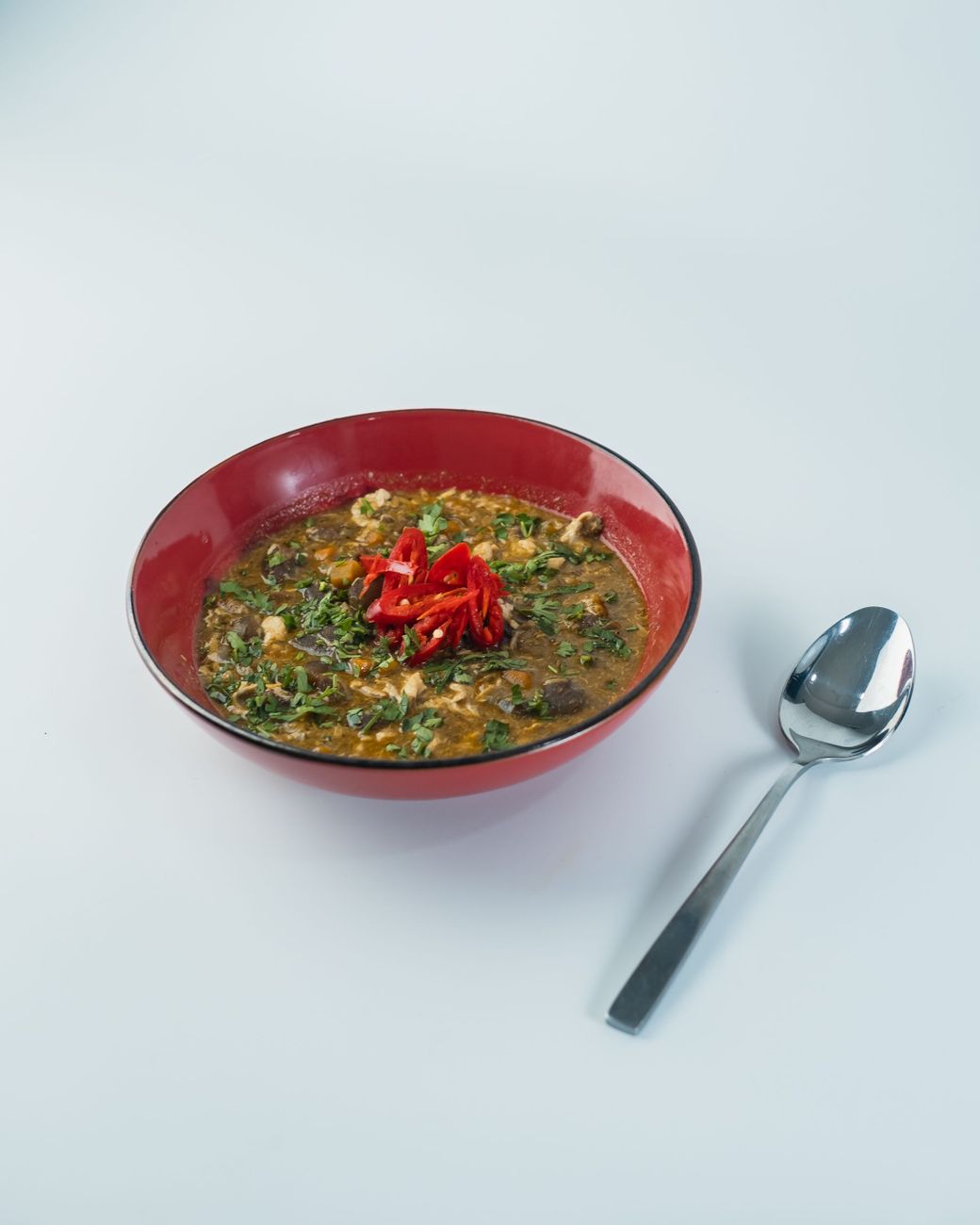
Jun 10, 2026The Heat Revolution: Why Nigerian Spicy Food Is Having Its Moment
From warming pepper soups to scotch bonnet-loaded jollof, Nigerian cooks have mastered the art of building heat that actually enhances flavor—and the rest of us are finally catching on.
Comments
Reader discussion is shared across recipes, reviews, and editorial pieces.
Comments are read-only while member sign-in is paused.