
culture
The Fiery Malaysian Dishes Taking Over Spice Lovers' Hearts
Malaysian cooks know something the rest of us are finally catching on to: the best spicy food doesn't just burn—it beckons. These are the dishes making converts out of anyone lucky enough to try them.
Share this
Pass it around
Send this page to a friend, copy the link, or save it to a Pinterest board.

Save for later
Pin this page
Save the image with a link back to this recipe, review, or article.
There's something magnetic about Malaysian heat. It doesn't slap you across the face like some fiery foods do. Instead, it draws you in with layers of flavor that happen to include serious spice, leaving you reaching for another bite even as your forehead starts to glisten.
Malaysian cooks have mastered what so many others miss: heat should be the supporting player that makes everything else taste more like itself. Whether it's the funk of fermented chilies, the warmth of toasted spices, or the bright burn of fresh aromatics, Malaysian spicy food always has something interesting to say beyond "this is hot."
And right now, home cooks and restaurants everywhere are finally catching on to what Southeast Asian families have known all along—these dishes are absolutely irresistible.
Sambal Takes Center Stage
Forget everything you think you know about sambal as a table condiment. The real action happens when this fermented chili paste becomes the foundation of the entire dish, not just a fiery afterthought.
Take sambal ikan bilis—those tiny dried anchovies get tumbled in a glossy, volcanic sambal until each one is coated in layers of sweet, salty, funky, spicy goodness. The heat builds as you eat, but so does your craving for more. I've watched people who swear they don't like anchovies demolish entire bowls of this stuff.
Sambal kangkung tells a different story entirely. Water spinach gets flash-fried with sambal belacan just until the leaves wilt but the stems still have bite. The mild vegetable becomes a canvas for all that complex sambal flavor—the shrimp paste funk, the palm sugar sweetness, the chili fire that makes your lips tingle.
What's changed is how cooks are using sambal. Instead of adding it at the end, they're cooking with it from the start, letting those fermented flavors meld and concentrate until the heat feels like it belongs in every fiber of the dish.
Curry Laksa's Creamy Fire
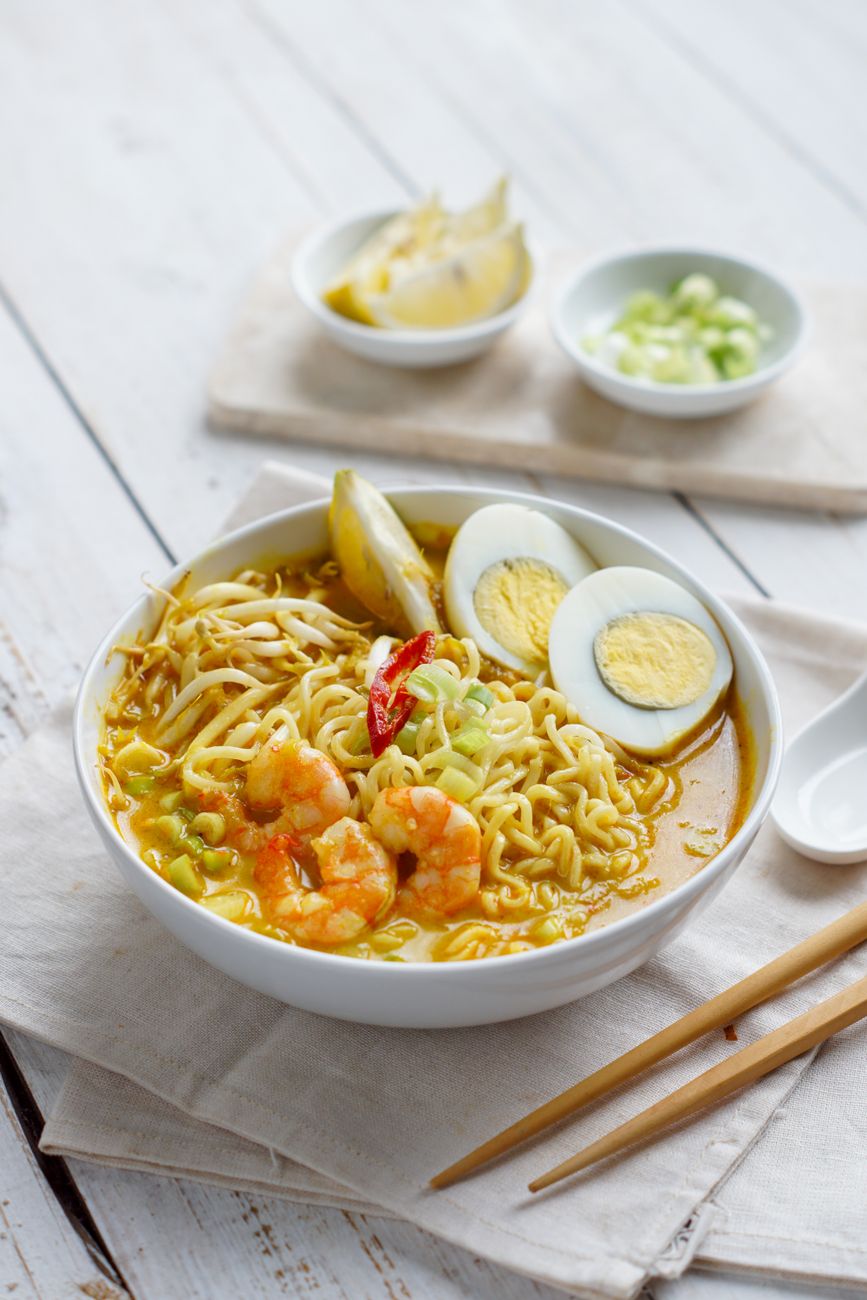
If you've only had pho or ramen, curry laksa will rewire your understanding of what spicy soup can be. This isn't about sharp heat that hits you upfront—it's about creamy, aromatic spice that wraps around you like a warm, slightly dangerous hug.
The magic starts with the spice paste: dried chilies, galangal, lemongrass, candlenuts, all pounded together until they release their essential oils. When this paste hits hot oil, the aroma alone will convert skeptics. Add coconut milk, and you get heat that builds slowly, tempered by richness but never dulled.
Here's what I love about curry laksa: it's forgiving. Nervous about the heat? Use less chili paste. The coconut milk base can handle the adjustment, and you can always add sambal on the side. Feeling brave? Go full throttle and experience what proper Malaysian heat tastes like.
The noodles matter more than you might think. Thick rice vermicelli soaks up all that spicy broth without turning to mush, while thin rice noodles give you more surface area for the curry to cling to. Either way, every slurp delivers exactly the kind of heat that makes you understand why this soup has such a devoted following.
Rendang's Patient Heat
In our instant-everything world, rendang asks you to slow down and let heat develop the way it should: gradually, completely, unforgettably. This is the opposite of quick-fire cooking—it's heat with a long memory.
A proper rendang spice paste might include twenty different ingredients, each contributing its own type of heat or warmth:
- Fresh red chilies for that immediate fire
- Dried chilies for smokier, deeper heat
- Galangal for warming spice
- Black pepper for sharp punctuation
- Star anise for aromatic warmth
The meat cooks slowly in coconut milk until the liquid reduces to a dark, glossy coating that clings to every piece. What you get is heat that reveals itself in waves—first the chili fire, then the warming spices, then a lingering tingle that makes the next bite inevitable.
Smart home cooks have figured out that rendang's technique works magic on more than just beef. Jackfruit rendang gives vegetarians access to those same complex, slow-building flavors. Potato rendang transforms humble spuds into something profound through patience and proper spice.
The revelation here is simple: slow-cooked heat tastes completely different from fast heat. Given time to meld and concentrate, spices create layers that keep revealing themselves long after the meal ends.
Regional Heat Worth the Hunt
Malaysian spice changes personality as you move around the country, and some of these regional stars deserve much wider recognition. Penang's assam laksa brings a completely different heat experience—tamarind-sour and fish-forward with chilies that cut through richness like a bright, spicy knife. That sourness actually amplifies the heat, creating something that wakes up every corner of your mouth.
Sarawak laksa from Malaysian Borneo offers gentler but more complex heat. The spice paste includes local chilies with an almost fruity burn, mellowed by coconut milk but still assertive enough to make an impression. It's perfect for building heat tolerance while still delivering real flavor.
Then there's Kedah's gulai tempoyak—fermented durian curry that represents Malaysian heat culture at its most adventurous. The fermented durian adds funky sourness that somehow makes the chili heat more intense while curry spices provide warming depth. It's not for everyone, but for the brave, it's an entirely unique heat experience.
These regional variations remind you that Malaysian heat isn't one-size-fits-all. Different areas developed different relationships with spice based on what grew nearby, what the climate demanded, and what tasted good with local ingredients. But they all share that essential Malaysian insight: heat should make everything else taste better, not just hotter.
What's happening now feels like a long-overdue recognition of what Malaysian families have always known. These dishes aren't popular because they're trendy—they're irresistible because they're delicious. The heat is just the delivery system for flavors that stick with you long after the fire fades.
Cook with this idea
Recipes to try next.
Put these ingredients and techniques to use in your next meal.

other · hot
Oct 8, 2026Sambal Udang Petai
Stir-fried prawns with stink beans and fiery sambal, built on shallots, garlic and bird's eye chillis. A weeknight dinner that delivers serious heat without lengthy prep. 18 min · 0 saves.
other · hot
Sep 7, 2026Adana Kebab with Charred Chilli and Sumac
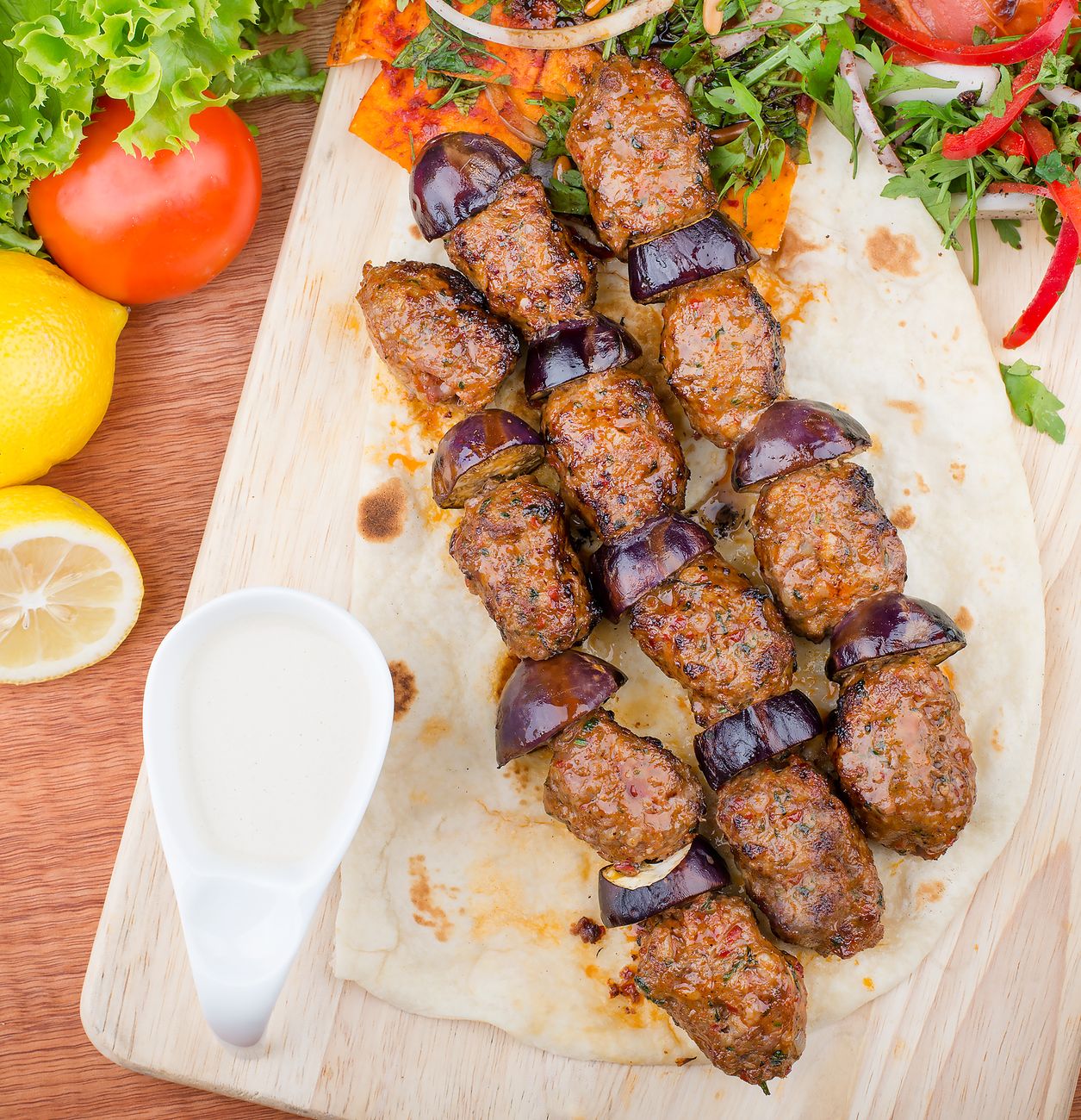
Ground lamb pressed onto flat metal skewers and grilled hard over flame until blackened and crackling on the outside, tender and juicy within. This Turkish street classic gets its serious kick from fresh red chilli ground into the meat and dried Aleppo chilli that brings warmth and fruity depth. The grill is non-negotiable—charcoal or gas flame gives you the char and smoke that makes this dish sing. 32 min · 0 saves.

other · hot
Jun 8, 2026Moqueca de Camarão with Malagueta Fire
Brazilian coconut shrimp stew spiked with fresh malagueta and habanero peppers for serious heat 35 min · 0 saves.
Bottle picks
Related hot sauce reviews.
Explore sauces with related ingredients, flavors, and heat levels.
Yellowbird Habanero Hot Sauce Review
A bright, carrot-forward bottle with enough heat to stay lively and enough sweetness to stay versatile.
Best for tacos
Best for: Tacos and rice bowls
Skip if: Skip if you want a classic vinegar-forward table sauce with almost no sweetness.
Read review
Fuego Box Monthly Subscription Review
A reliable discovery box for people who want more than supermarket sauces without going full novelty heat gimmick.
Best for gifting
Best for: Sauce subscription
Skip if: Skip if you need one exact everyday bottle instead of a discovery-style gift.
Read review
Fly By Jing Sichuan Gold Review
A citrusy, tingly sauce with real peppercorn presence and enough versatility to move beyond dumplings.
Best for dumplings
Best for: Eggs and breakfast tacos
Skip if: Skip if you want a thick, smoky wing sauce more than a bright finishing bottle.
Read review
Go deeper
Background guides that build on this.
Keep reading
More on this subject.
If this post helped, these are the next pieces most likely to keep the thread going.
culture
Oct 12, 2026What Malaysian Spicy Dishes Are Drawing Cooks Right Now
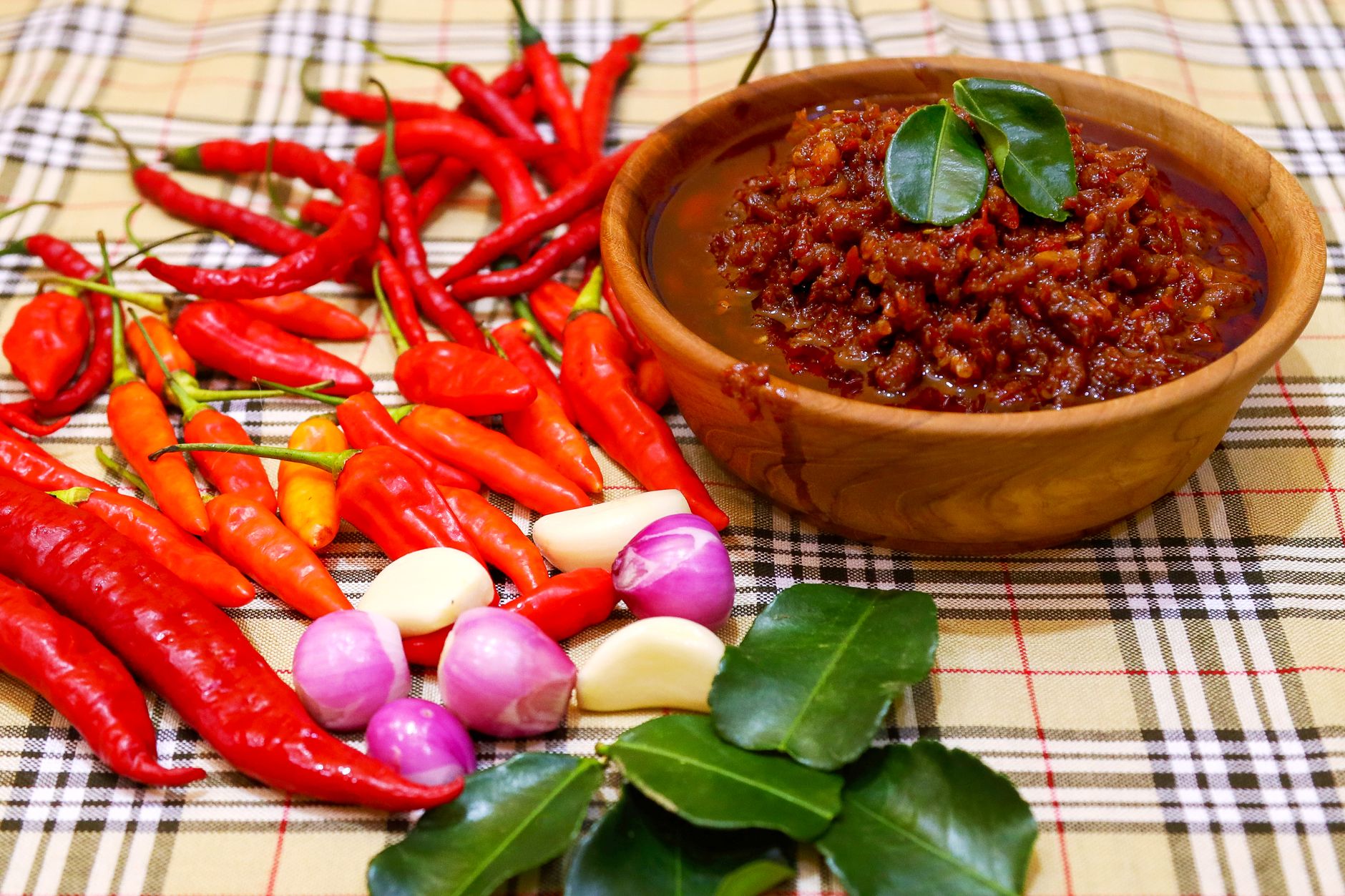
Malaysian heat builds in layers—through chile pastes, aromatics, and the way coconut milk carries spice. These dishes work because you can taste as you go, adjusting heat without losing the flavor underneath.

culture
Oct 6, 2026What Makes Malaysian Spicy Food So Craveable Right Now
Malaysian spicy cooking balances heat with coconut, tamarind, and layered spices. Laksa, sambal, and rendang solve the problem of making chili taste good—not just hot. Learn the techniques that make these dishes work and how to cook them at home.
culture
Jun 10, 2026The Heat Revolution: Why Nigerian Spicy Food Is Having Its Moment
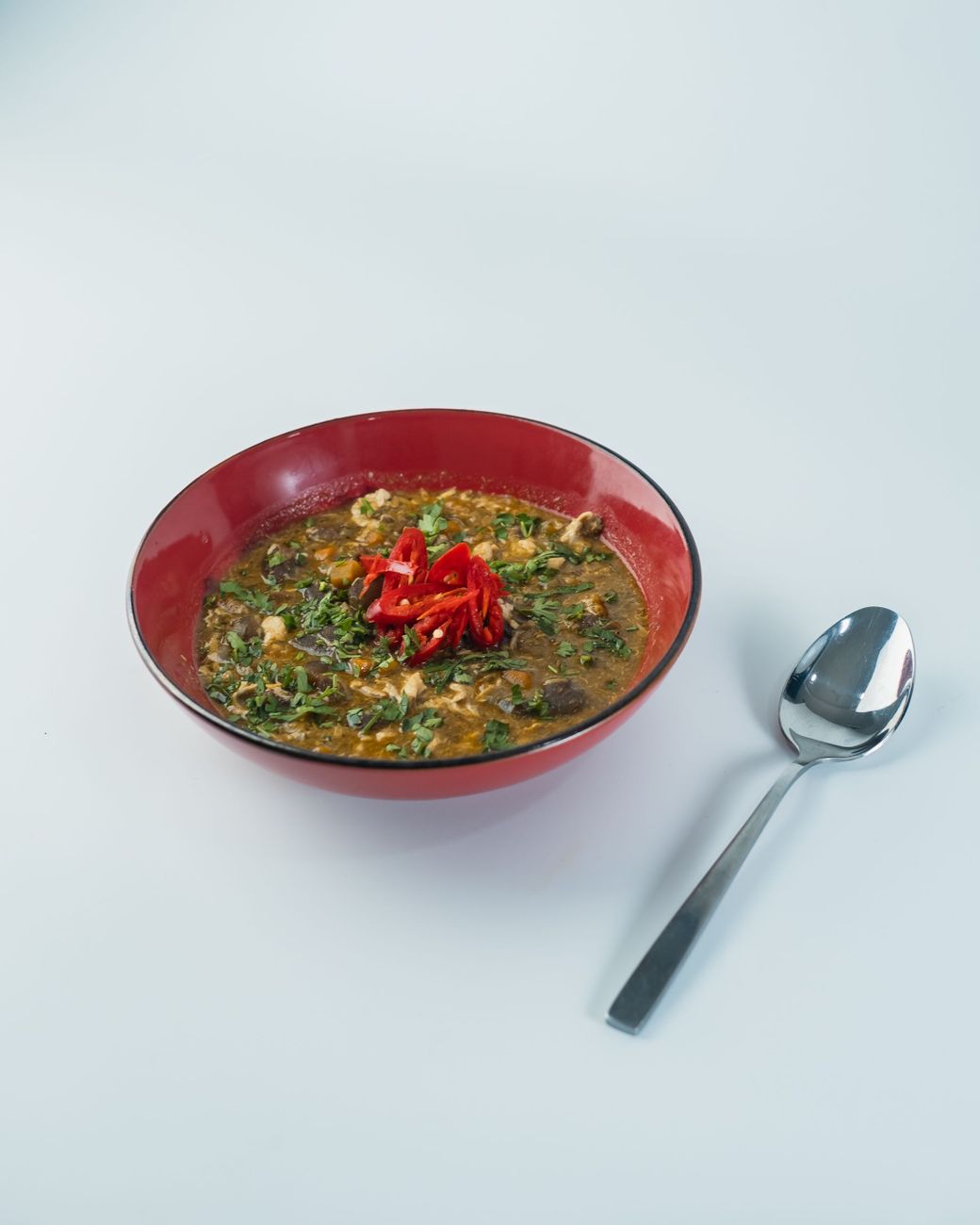
From warming pepper soups to scotch bonnet-loaded jollof, Nigerian cooks have mastered the art of building heat that actually enhances flavor—and the rest of us are finally catching on.
Comments
Reader discussion is shared across recipes, reviews, and editorial pieces.
Comments are read-only while member sign-in is paused.