
culture
Three Brazilian Spice Styles Making Every Home Cook Sweat (In the Best Way)
From the smoky malagueta peppers of Bahia to the gentle warmth of pimenta biquinho, Brazilian cooks have mastered the art of building heat that brings families together rather than clearing the table.
Share this
Pass it around
Send this page to a friend, copy the link, or save it to a Pinterest board.

Save for later
Pin this page
Save the image with a link back to this recipe, review, or article.
I've spent enough time around Brazilian kitchens to know they understand something about heat that the rest of us are still figuring out: the best spicy food doesn't punish—it welcomes. While so much of our pepper culture seems designed to prove something, Brazilian cooks treat chiles like any other essential ingredient, weaving them into dishes that work for the whole family table.
This isn't about dumbing down the heat. Brazilian cuisine can absolutely bring the fire when it wants to. But it's built on the radical idea that spice should enhance a dish, not dominate it. Three regional styles show exactly how this plays out in practice, and each one offers lessons that'll change how you think about cooking with peppers.
Bahian Brilliance: When Oil Carries the Heat
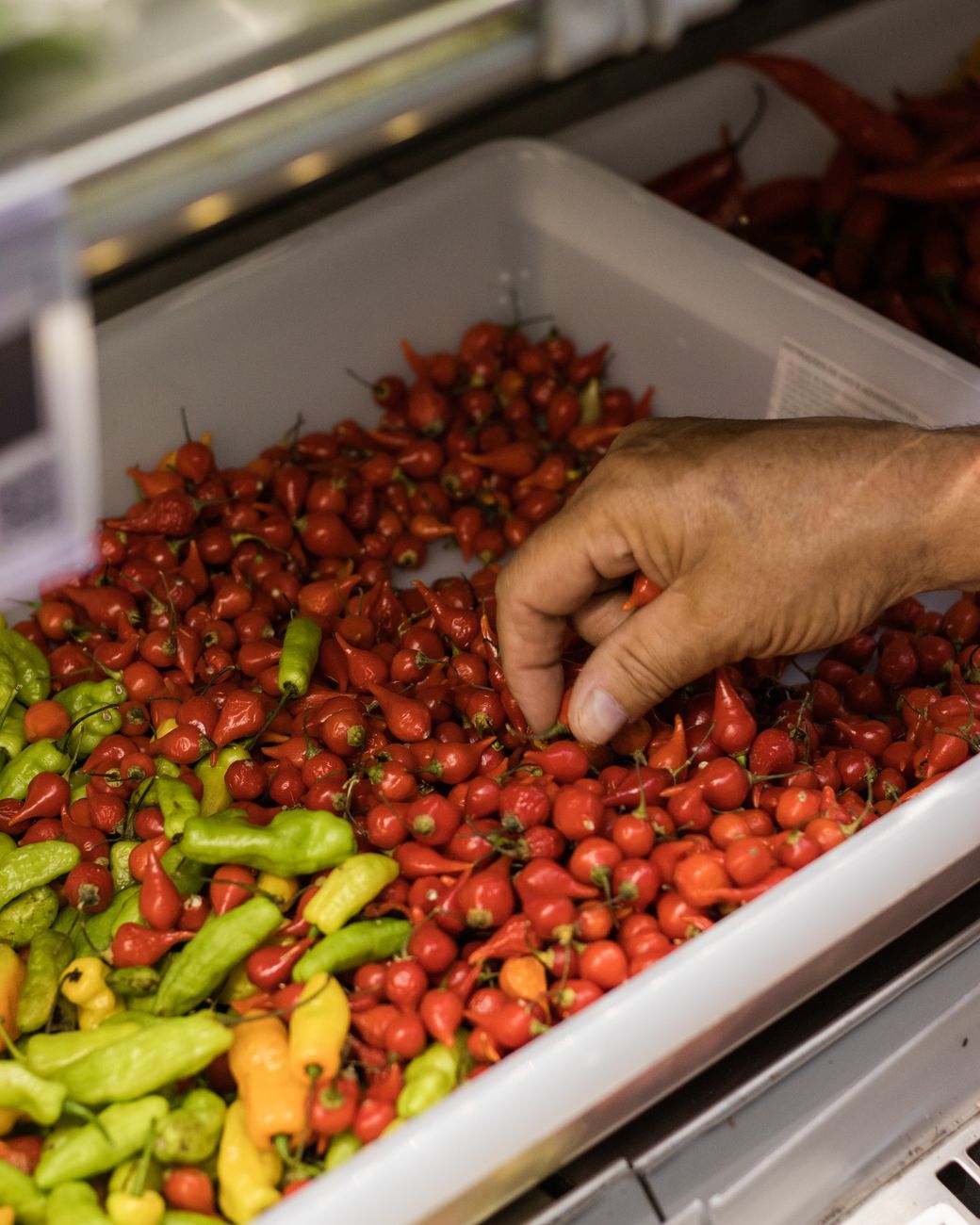
Down in Bahia, they've figured out something magical about malagueta peppers and dendê oil. Those little torpedo-shaped malaguetas pack a serious punch—we're talking habanero-level heat—but Bahian cooks don't just throw them into dishes and hope for the best. They marry them with dendê, that gorgeous red-orange palm oil that tastes like toasted nuts had a baby with butter.
The technique is dead simple but transformative: you warm the dendê gently and let the malaguetas infuse their bright, almost lemony heat into the oil. This becomes your cooking fat, your flavor base, your secret weapon. Every spoonful carries just enough heat to wake up your palate without setting it on fire.
I love this approach for anything you'd normally grill. That spiced oil turns the most basic chicken thighs into something that tastes like vacation. The malagueta's brightness cuts through the meat's richness, while the dendê keeps everything lush and satisfying. Even pepper-shy family members can handle this level of heat because it builds gradually—no surprise attacks.
If you can't find dendê (and let's be honest, most of us can't), the principle works beautifully with good olive oil and whatever small hot peppers you can get your hands on. Serranos work well, or even jalapeños if that's your heat ceiling.
The Ranch Cook's Wisdom: Save the Fire for Last
Central Brazil's cattle country taught me something I wish I'd learned years ago: when you add the peppers matters as much as which peppers you choose. Ranch cooks there rely on pimenta-de-cheiro—think habanero's more approachable cousin—but they hold back until the very end of cooking.
This isn't just about heat control (though that's part of it). Those final few minutes preserve all the fruity complexity that long cooking destroys. You get the pepper's full personality instead of just the burn.
I use this trick constantly now, especially with bean dishes. Let your pot of pintos or black beans do its slow, gentle thing with just the basics—onion, garlic, maybe a bay leaf. Then, in those last ten minutes, hit it with minced hot peppers, fresh herbs, maybe a splash of something bright like white wine or even beer. The transformation is remarkable.
The beauty is that everyone can adjust their own bowl. Put out some extra minced peppers on the side, and suddenly you've got a dish that works for your pepper-loving teenager and your heat-sensitive mother-in-law.
Southern Grace: The Pepper That Changed Everything
Then there's pimenta biquinho, the little teardrop-shaped pepper that's basically Brazil's gift to families everywhere. These gems clock in around the heat level of a poblano—enough warmth to remind you they're peppers, but gentle enough that you can be generous with them.
What I love about biquinho peppers is how they've freed Brazilian cooks from the tyranny of heat tolerance. You can build real pepper flavor into a dish without worrying about who can handle it. They show up everywhere in southern Brazilian cooking—whole in rice, chopped into salads, pickled as a table condiment that makes everything better.
The pickled version is particularly brilliant. A little vinegar, a touch of sugar, some salt, and suddenly you've got something that brightens grilled meats, makes roasted vegetables sing, and turns a basic sandwich into something worth talking about.
If you can't find biquinho peppers (they're slowly making their way into specialty stores here), think about this approach with other mild varieties. Shishitos work, or even sweet bell peppers with just a pinch of hot pepper flakes for that gentle warmth.
What This Means for Your Kitchen
Here's what strikes me about Brazilian pepper culture: it's designed for real life. Not for YouTube challenges or machismo contests, but for Tuesday night dinner when half the family loves heat and half doesn't.
The oil infusion technique gives you consistent, controllable heat that spreads evenly through a dish. The finishing approach lets you add complexity without overwhelming anyone. And the embrace of milder, flavorful peppers opens up possibilities that pure heat bombs simply can't match.
I've started thinking about my pepper pantry differently because of this. Instead of just reaching for whatever's hottest, I'm asking what each pepper brings to the table beyond heat. How does it interact with other flavors? When does it work best—early in the cooking or at the end? How can I use it to bring people together rather than divide them?
Brazilian cooks figured out long ago that the best spicy food isn't about proving you can handle the heat—it's about creating flavors so good that everyone wants another bite. That's a lesson worth stealing.
Peppers featured in this post
Cook with this idea
Recipes to try next.
Put these ingredients and techniques to use in your next meal.
other · medium
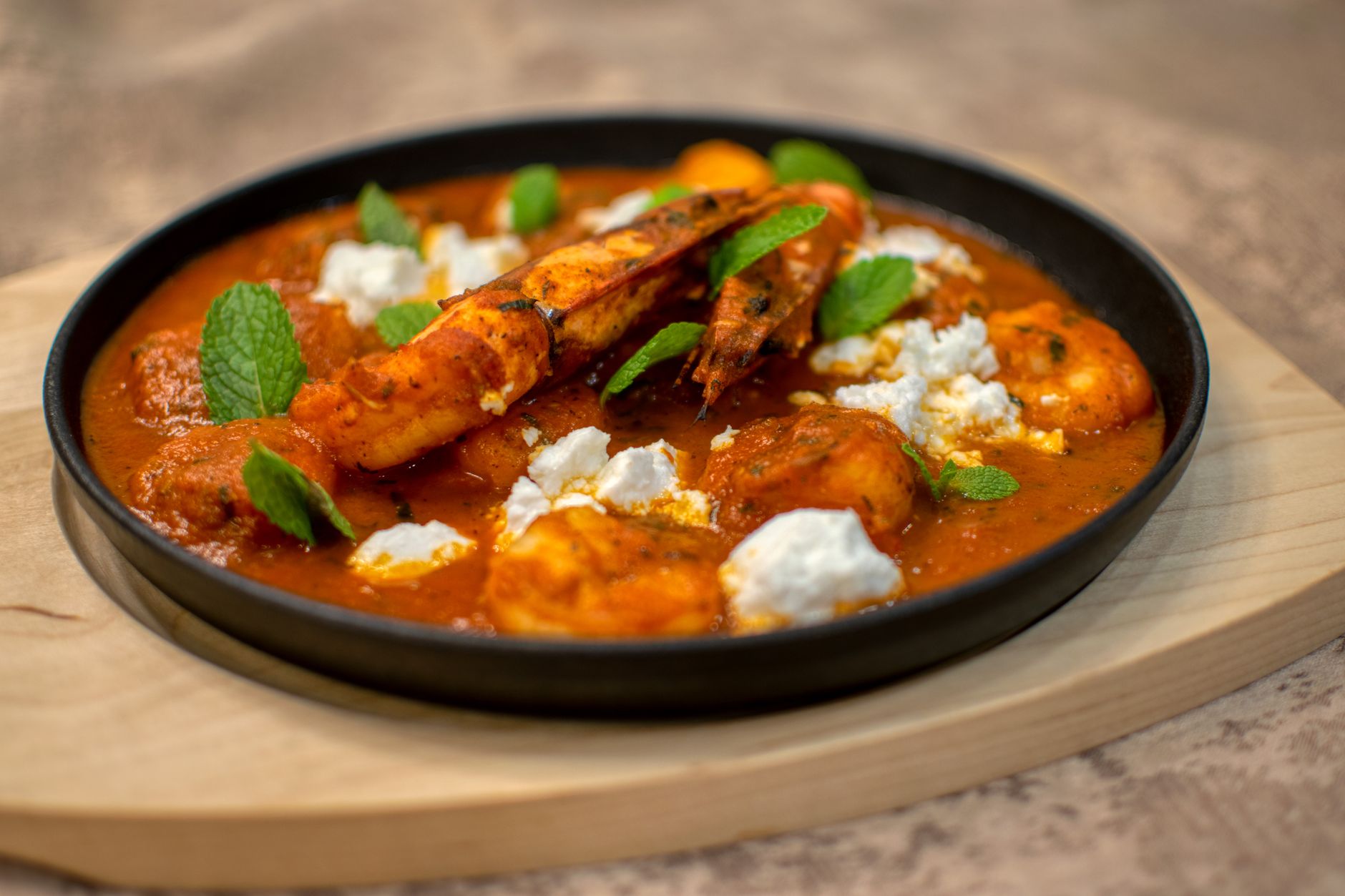
Oct 19, 2026Shrimp Saganaki with Chilli and Feta
Pan-seared shrimp finished with a warm tomato sauce, crumbled feta, and dried chilli heat—a Greek seafood dish that cooks in one skillet. 25 min · 0 saves.

other · medium
Oct 11, 2026Rendang Daging (Malaysian Beef Rendang)
A slow-braised beef stew where fresh red chillies, garlic, ginger and galangal break down into a paste, then simmer in coconut milk until the liquid reduces to a glossy, spiced glaze clinging to each piece of meat. The beef becomes tender enough to break with a spoon, and the heat builds gradually from the chillies and warm spices—cardamom, cloves, cinnamon—rather than arriving sharp and alone. 115 min · 0 saves.

other · medium
Oct 9, 2026Moqueca de Camarão com Pimenta
A Brazilian seafood stew where shrimp braise gently in coconut milk with red peppers, garlic, coriander, and fresh malagueta chillies. The heat builds slowly from the whole peppers simmered in the sauce, so you taste the shrimp's sweetness and the garlic's depth before any burn catches up. 40 min · 0 saves.
Bottle picks
Related hot sauce reviews.
Explore sauces with related ingredients, flavors, and heat levels.
Mike's Hot Honey Review
Sweet heat done right: sticky, quick, and versatile enough to become a finishing move instead of a novelty.
Best for gifting
Best for: Pizza and fried chicken
Skip if: Skip if you want a classic vinegar-forward table sauce with almost no sweetness.
Read review
Heatonist Los Calientes Rojo Review
Heatonist Los Calientes Rojo: flavor notes, heat level, and suggested food pairings.
Best for tacos
Best for: Tacos and rice bowls
Skip if: Skip if you are chasing a novelty-level heat hit or a super-special-occasion bottle.
Read review
Yellowbird Habanero Hot Sauce Review
A bright, carrot-forward bottle with enough heat to stay lively and enough sweetness to stay versatile.
Best for tacos
Best for: Tacos and rice bowls
Skip if: Skip if you want a classic vinegar-forward table sauce with almost no sweetness.
Read review
Go deeper
Background guides that build on this.
Keep reading
More on this subject.
If this post helped, these are the next pieces most likely to keep the thread going.

culture
Jun 11, 2026Greek Fire: The Spicy Side of Hellenic Cooking That's Finally Getting Its Due
Greek cooking has always packed more heat than the world gives it credit for. From pepper-rich island specialties to chili-spiked mainland classics, these are the fiery dishes that deserve a spot at your table.
culture
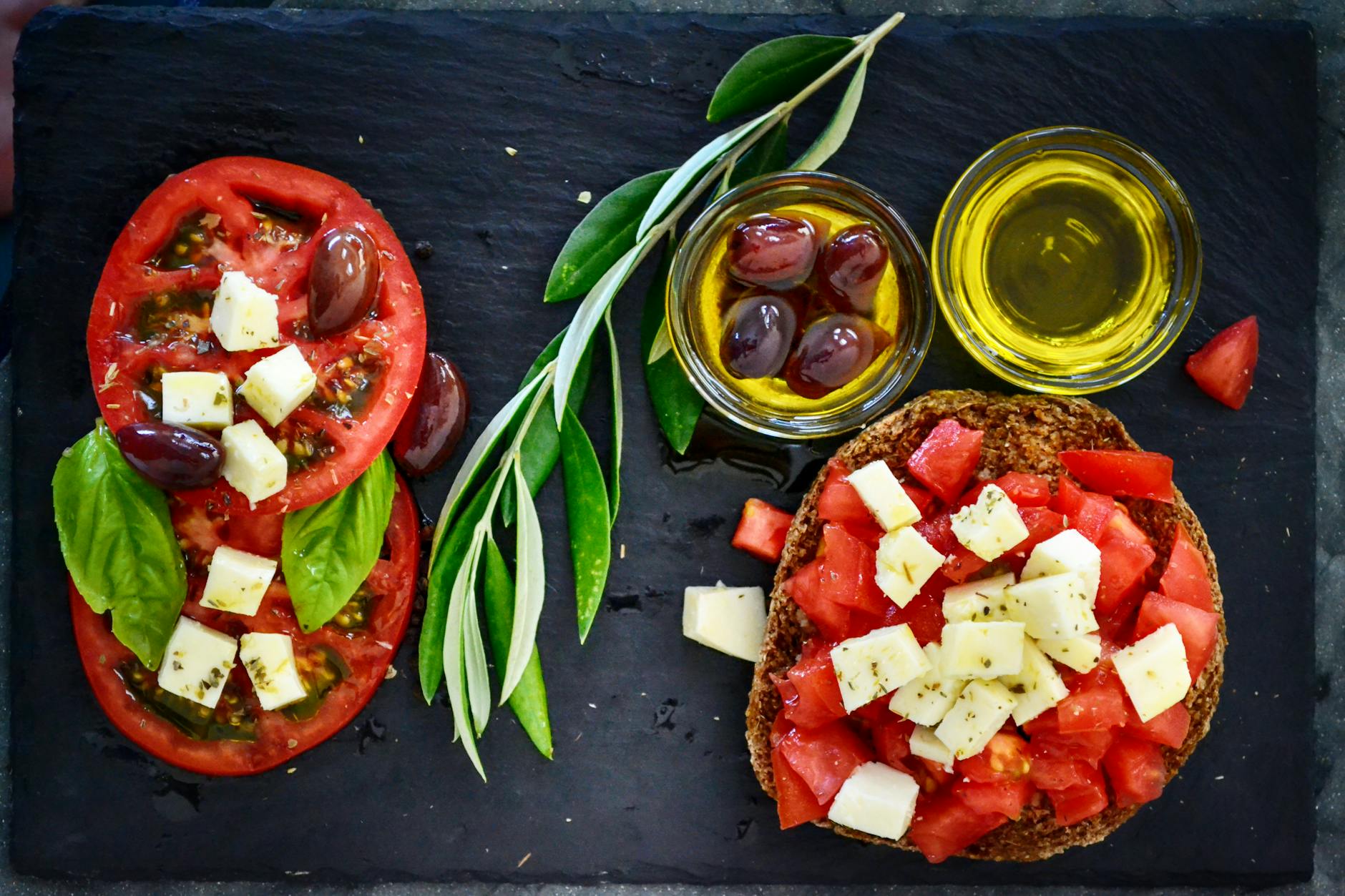
Jun 6, 2026Greek Heat: Three Spicy Regional Styles That Deserve Your Attention
From northern Greece's soul-warming paprika braises to island pepper preparations that pack both heat and tang, discover the spicy side of Greek cuisine that goes far beyond those ubiquitous red pepper flakes.

culture
May 30, 2026Greece's Hottest Kitchen Secrets: Why Spicy Greek Cooking Is Having a Moment
From fiery feta spreads that'll surprise your guests to pepper-braised meats that make you understand why Greek grandmothers always kept the good olive oil handy, this is the spicy side of Greek cooking that deserves a place at your table.
Comments
Reader discussion is shared across recipes, reviews, and editorial pieces.
Comments are read-only while member sign-in is paused.