
culture
Malaysian Heat That Hooks You: The Spicy Dishes Everyone's Chasing Right Now
Malaysian cooks have cracked the code on spice that keeps you coming back—from sambal that transforms everything it touches to curry laksa that builds heat bite by bite. These are the dishes that prove the best spicy food doesn't just burn; it builds cravings.
Share this
Pass it around
Send this page to a friend, copy the link, or save it to a Pinterest board.

Save for later
Pin this page
Save the image with a link back to this recipe, review, or article.
The Sambal Renaissance That Started It All
Malaysian cooks figured out something brilliant about heat: the best spice pulls you back to the table instead of sending you running for milk. While other cuisines often chase pure firepower, Malaysian kitchens build heat in layers—thick chili pastes, fragrant spice blends, and fermented funk that creates depth alongside the burn.
Sambal sits at the heart of everything. These aren't just condiments sitting in little bowls; they're the flavor engines that turn simple rice and vegetables into something you'll think about for days. The recent wave of Malaysian restaurants embracing proper sambal-making has shown a whole new crowd what real chili paste can do.
Consider sambal belacan—the workhorse of Malaysian cooking. Dried chilies get pounded with fermented shrimp paste until you have this intensely savory, salty heat that makes everything better. Watch it coat fresh kangkung or slick up rice noodles in char kway teow, and you'll understand why people get obsessed. It's complex enough to keep your palate guessing with every bite.
The real genius lies in how Malaysian cooks balance all that heat. Rich coconut milk softens rendang's edges. Palm sugar mellows sambal tumis's sharp notes. A squeeze of lime brightens everything. Nothing's there by accident—each element has a job beyond just making your mouth tingle.
Laksa Variations That Build Real Heat
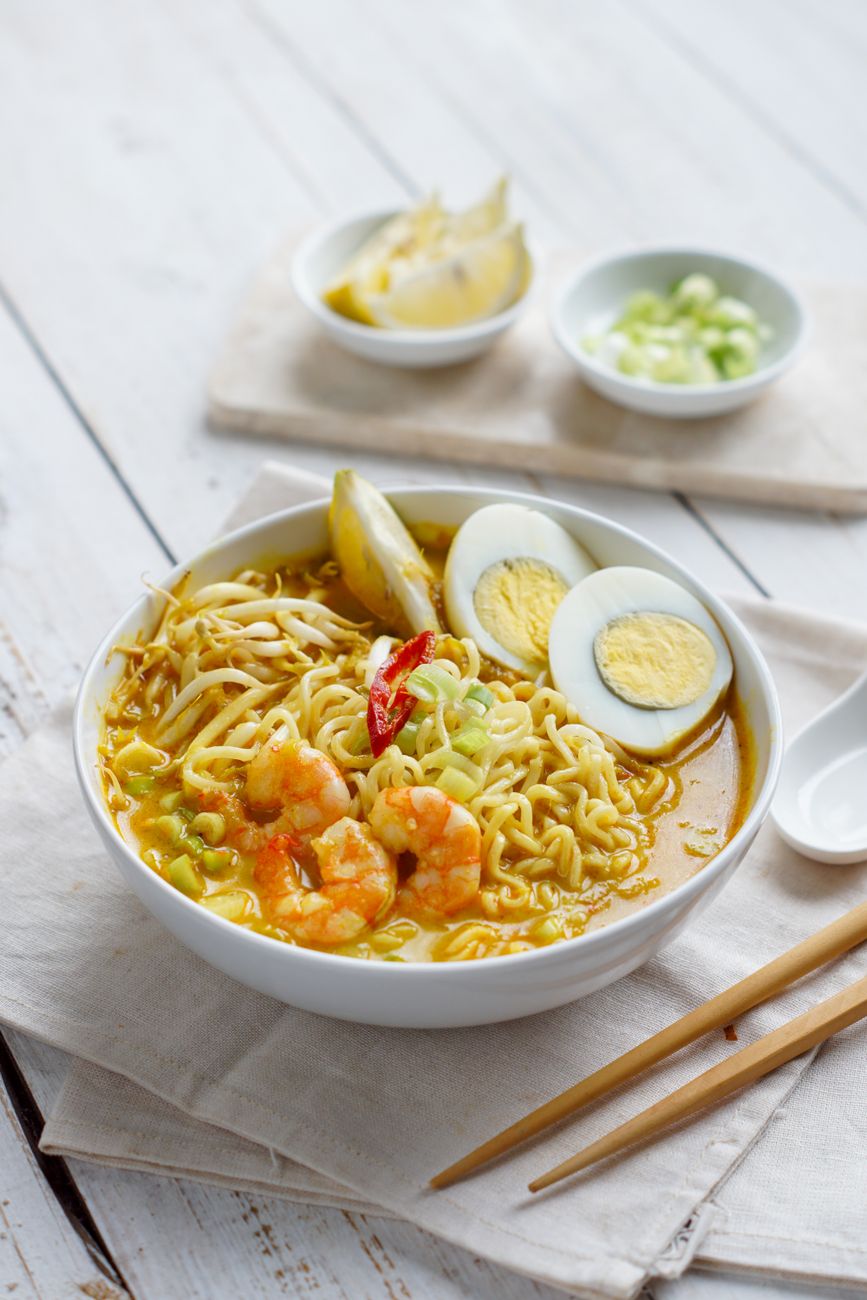
Laksa showcases Malaysian spice cooking at its most sophisticated. Most spicy soups rely on one heat source, but laksa layers it—rempah spice paste in the base, dried chilies simmered into the broth, fresh bird's eye chilies scattered on top for anyone brave enough to bite them.
Asam laksa plays a completely different game. This Penang classic gets its fire from chilies blended right into that gloriously sour tamarind broth, creating heat that dances with the fish and bright acidity instead of bulldozing over them. The spice sharpens every other flavor rather than burying them.
Curry laksa takes the direct approach, and honestly, sometimes direct works best. That coconut-rich broth carries heat from fresh chilies, dried chilies, and chili oil floating on top—building layers that sneak up on you. The first spoonful seems manageable, but by the time you're scraping the bottom of the bowl, the cumulative heat has worked its way through your system in the most satisfying way possible.
What makes these laksa styles genuinely craveable is how the heat plays with texture. Rice noodles soak up that spicy broth. Coconut milk carries chili oils to every corner of your mouth. Fresh herbs provide little cooling breaks between waves of fire. Everything works together instead of fighting for attention.
The Rendang Effect: Slow-Cooked Spice That Sticks
Rendang gets butchered in so many Western kitchens because people treat it like regular curry. Real rendang represents something entirely different—a slow concentration of spice that builds intensity through patience and proper technique.
It starts with a rempah made from fresh chilies, dried chilies, galangal, lemongrass, and about a dozen other aromatics pounded into submission. This paste gets cooked down until the oils separate and that raw chili bite mellows into something deeper and more interesting. Then comes the slow phase—coconut milk gradually reducing while the meat drinks up every bit of that spice paste.
This long, slow cooking completely transforms how the heat works. Fresh chili fire becomes roasted and nutty. The coconut milk's natural sweetness concentrates and balances all that spice. What you end up with is heat that feels like it belongs in every fiber of the dish, not like someone just dumped hot sauce on top.
Texture matters just as much here. Proper rendang has almost no sauce left—just that dark, aromatic spice paste clinging to the meat like it was meant to be there. Each bite delivers concentrated flavor and heat that unfolds slowly across your palate, building and lingering instead of hitting fast and fading. You're reaching for the next bite before you've finished processing the current one.
Heat Levels That Welcome Everyone
Malaysian spice cooking works because it creates entry points for different heat tolerances without dumbing down the complexity. A well-run Malaysian kitchen keeps multiple sambal styles ready:
- Sambal tumis: Cooked until sweet and mellow, perfect for anyone still building their spice tolerance
- Sambal belacan: Raw and punchy for immediate fire
- Sambal kicap: Tempered with sweet soy sauce for middle-ground heat
- Sambal cili padi: Made with those tiny bird's eye chilies that pack serious punch
This means families can share the same meal while everyone gets their preferred heat level. The person who breaks into a sweat at black pepper gets the same complex flavors as the one chasing maximum burn—just dialed to their comfort zone.
The technique extends beyond sambals into how whole dishes get built. Nasi lemak comes with sambal on the side for personal heat control. Curry laksa can be ordered mild to volcanic. Even rendang varies depending on the cook's chili ratio and pepper selection.
Why These Dishes Create True Cravings
Malaysian spicy dishes generate real cravings because they satisfy multiple needs at once. Sure, the heat provides excitement, but those complex flavor profiles keep your palate engaged long after the initial fire dies down. Fermented belacan adds that deep umami hit. Coconut milk brings richness. Aromatic spices create layers that keep revealing themselves.
This complexity means you can eat the same dish repeatedly without getting bored. Each bite offers slightly different flavor combinations as your palate picks up different elements. The heat enhances these subtleties instead of bulldozing over them, creating an eating experience that feels both comforting and thrilling.
The social aspect matters too. Malaysian spice cooking practically demands sharing and customization. Dishes arrive with multiple accompaniments and adjustable heat levels, perfect for groups where one person thinks sriracha is spicy and another grows ghost peppers for fun. Everyone participates without anyone suffering through heat they can't handle.
Malaysian cuisine proves that the most craveable spicy food doesn't just burn—it builds, balances, and brings you back for more. In a world obsessed with heat-challenge extremes, these dishes offer something more valuable: spice that makes you want to eat, not just survive the experience.
Cook with this idea
Recipes to try next.
Put these ingredients and techniques to use in your next meal.
other · medium
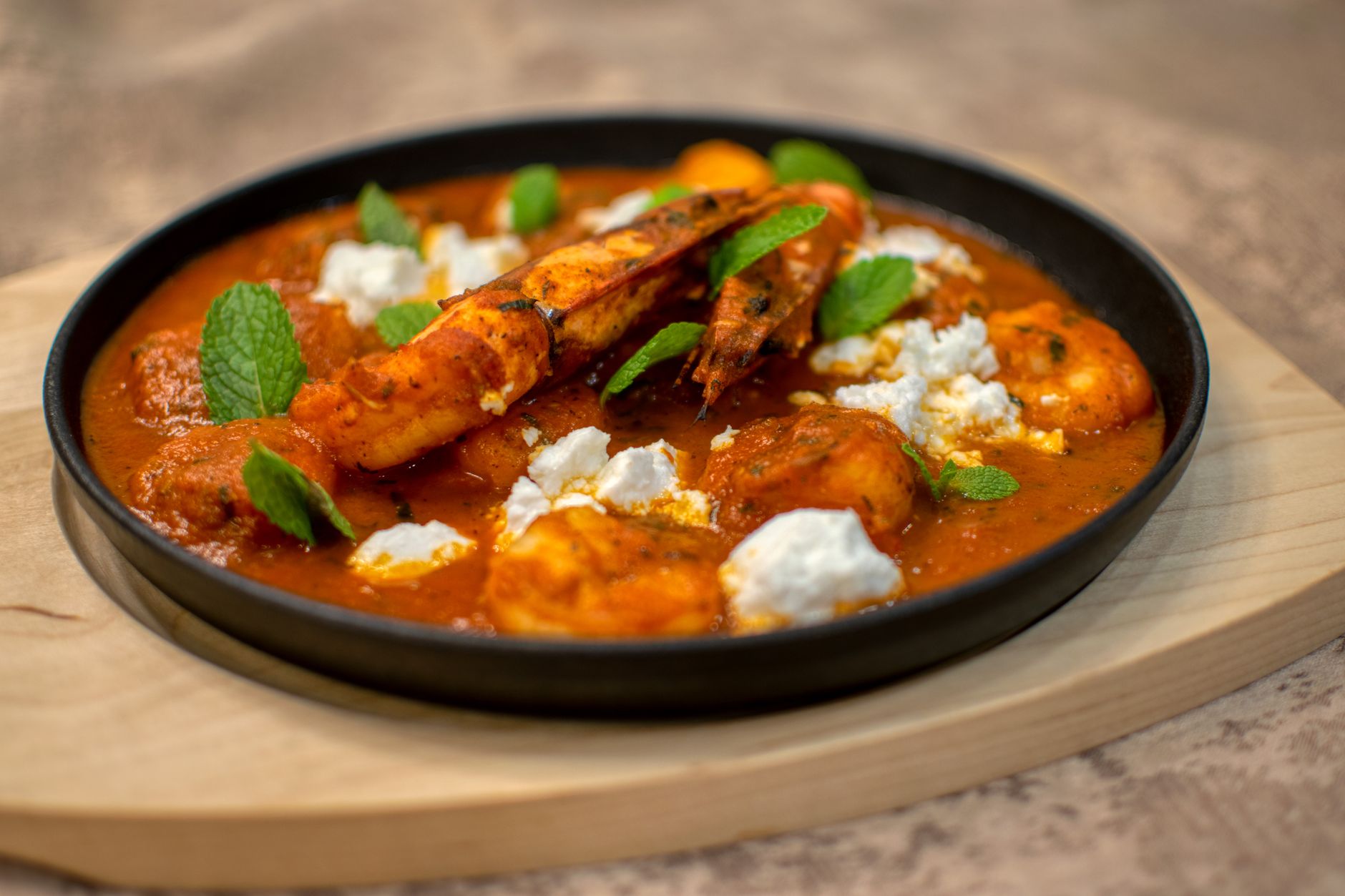
Oct 19, 2026Shrimp Saganaki with Chilli and Feta
Pan-seared shrimp finished with a warm tomato sauce, crumbled feta, and dried chilli heat—a Greek seafood dish that cooks in one skillet. 25 min · 0 saves.

other · medium
Oct 11, 2026Rendang Daging (Malaysian Beef Rendang)
A slow-braised beef stew where fresh red chillies, garlic, ginger and galangal break down into a paste, then simmer in coconut milk until the liquid reduces to a glossy, spiced glaze clinging to each piece of meat. The beef becomes tender enough to break with a spoon, and the heat builds gradually from the chillies and warm spices—cardamom, cloves, cinnamon—rather than arriving sharp and alone. 115 min · 0 saves.

other · medium
Oct 9, 2026Moqueca de Camarão com Pimenta
A Brazilian seafood stew where shrimp braise gently in coconut milk with red peppers, garlic, coriander, and fresh malagueta chillies. The heat builds slowly from the whole peppers simmered in the sauce, so you taste the shrimp's sweetness and the garlic's depth before any burn catches up. 40 min · 0 saves.
Bottle picks
Related hot sauce reviews.
Explore sauces with related ingredients, flavors, and heat levels.
Fly By Jing Sichuan Gold Review
A citrusy, tingly sauce with real peppercorn presence and enough versatility to move beyond dumplings.
Best for dumplings
Best for: Eggs and breakfast tacos
Skip if: Skip if you want a thick, smoky wing sauce more than a bright finishing bottle.
Read review
Mike's Hot Honey Review
Sweet heat done right: sticky, quick, and versatile enough to become a finishing move instead of a novelty.
Best for gifting
Best for: Pizza and fried chicken
Skip if: Skip if you want a classic vinegar-forward table sauce with almost no sweetness.
Read review
Heatonist Los Calientes Rojo Review
Heatonist Los Calientes Rojo: flavor notes, heat level, and suggested food pairings.
Best for tacos
Best for: Tacos and rice bowls
Skip if: Skip if you are chasing a novelty-level heat hit or a super-special-occasion bottle.
Read review
Go deeper
Background guides that build on this.
Keep reading
More on this subject.
If this post helped, these are the next pieces most likely to keep the thread going.

culture
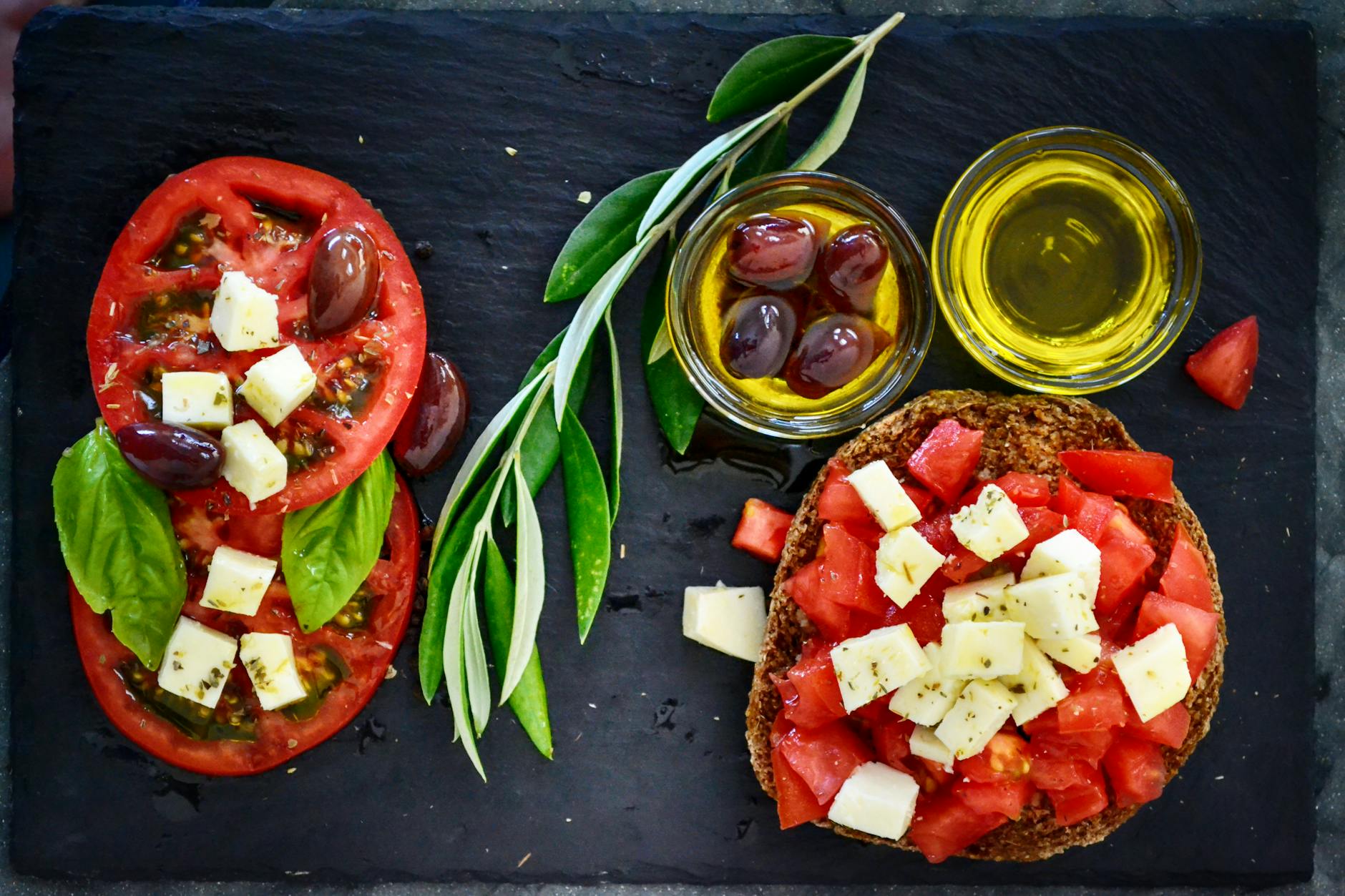
Jun 11, 2026Greek Fire: The Spicy Side of Hellenic Cooking That's Finally Getting Its Due
Greek cooking has always packed more heat than the world gives it credit for. From pepper-rich island specialties to chili-spiked mainland classics, these are the fiery dishes that deserve a spot at your table.
culture
Jun 6, 2026Greek Heat: Three Spicy Regional Styles That Deserve Your Attention
From northern Greece's soul-warming paprika braises to island pepper preparations that pack both heat and tang, discover the spicy side of Greek cuisine that goes far beyond those ubiquitous red pepper flakes.

culture
May 30, 2026Greece's Hottest Kitchen Secrets: Why Spicy Greek Cooking Is Having a Moment
From fiery feta spreads that'll surprise your guests to pepper-braised meats that make you understand why Greek grandmothers always kept the good olive oil handy, this is the spicy side of Greek cooking that deserves a place at your table.
Comments
Reader discussion is shared across recipes, reviews, and editorial pieces.
Comments are read-only while member sign-in is paused.