
culture
The Fiery Side of Greece: Three Spicy Dishes That Deserve Your Attention
Beyond the familiar Greek dishes lies a spicier tradition featuring smoky peppers, chile-spiked sauces, and heat that builds slowly. These three regional specialties bring serious warmth to the Greek table.

Share this
Pass it around
Send this page to a friend, copy the link, or save it to a Pinterest board.

Save for later
Pin this page
Save the image with a link back to this recipe, review, or article.
The Heat Hidden in Greek Cooking
When most people think of Greek food, they picture tzatziki, grilled fish, and olive oil—not exactly a cuisine known for setting your tongue ablaze. But Greece has its own relationship with heat, one that's more subtle and ingredient-driven than the chile-forward cooking of Mexico or Thailand. The spicy dishes that emerge from Greek kitchens rely on specific peppers, strategic spice blending, and techniques that build heat slowly rather than hitting you over the head.
Three dishes in particular showcase this approach beautifully, each representing different regions and methods of incorporating serious heat into Greek cooking. They're worth seeking out if you want to explore beyond the standard Greek-American restaurant repertoire—and they're surprisingly satisfying to make at home.
Bouyourdi: The Molten Cheese That Burns So Good
This northern Greek appetizer turns simple ingredients into something that will make you sweat in the best possible way. Bouyourdi combines feta cheese, tomatoes, and hot peppers under a broiler until the cheese bubbles and the peppers char at the edges.
The key is using the right peppers. Traditional versions call for kafteri peppers—small, wrinkled Greek chiles that pack substantial heat without overwhelming the creamy feta. These peppers have a fruity undertone that complements rather than competes with the tangy cheese. When kafteri peppers aren't available, Fresno chiles or hot cherry peppers work well, though they'll shift the flavor profile slightly.
The cooking method matters as much as the ingredients. The dish goes under intense heat just long enough for the cheese to soften and bubble while the peppers blister. This creates pockets of molten cheese punctuated by bursts of chile heat. Eaten with crusty bread, it's the kind of dish that makes you understand why Greeks linger over meals.
What I love about bouyourdi is how you control the fire by adjusting the pepper quantity and type. Two kafteri peppers will give you a gentle warmth that builds slowly. Four or five will make you reach for your wine glass more frequently. It's democratic heat—everyone at the table can find their comfort zone.
Spetsiotiki Sauce: The Tomato Sauce with Serious Bite
This sauce comes from the island of Spetses and transforms the familiar Greek combination of tomatoes, onions, and olive oil into something with real bite. The secret lies in the generous use of hot paprika and crushed red pepper, along with a technique that concentrates the flavors through slow cooking.
Spetsiotiki sauce builds on:
- Crushed tomatoes cooked down until thick
- Sweet onions sautéed until golden
- Hot paprika (the Hungarian variety works beautifully)
- Crushed red pepper flakes
- Fresh or dried oregano
- A splash of red wine vinegar
The cooking process makes all the difference here. The onions get cooked until they're almost jammy, creating a sweet base that balances the heat. The tomatoes simmer long enough to lose their raw edge and concentrate into something rich and complex. The spices get added early enough to bloom in the oil but not so early that they burn—timing that comes with practice.
This sauce shines with seafood, especially firm white fish or shrimp. The heat complements the brininess without masking it. It's also excellent with grilled lamb or spooned over roasted vegetables. The heat level sits somewhere between medium and hot—noticeable immediately but not punishing.
Florina Pepper Tirokafteri: The Dip That Builds Heat
Tirokafteri appears on many Greek restaurant menus, but the versions made with Florina peppers represent the dish at its most compelling. These large red peppers from northern Greece get roasted, peeled, and blended with feta cheese, olive oil, and hot peppers to create a dip with layers of flavor and heat.
The Florina peppers provide sweetness and smokiness rather than heat. The fire comes from the addition of hot peppers—traditionally small, fiery Greek varieties, though jalapeños or serranos work in their absence. The balance between the sweet roasted peppers and the hot chiles creates a complex heat that starts mild and builds as you eat.
Good tirokafteri has texture—this matters more than most people realize. The peppers shouldn't be pureed into complete smoothness; small pieces provide bursts of concentrated flavor and heat. The feta adds creaminess and salt, while lemon juice brightens everything and prevents the dip from feeling heavy.
This dip works best when the heat sneaks up on you. The first bite might seem almost mild, but by the third or fourth, you'll feel the warmth spreading. It's designed for sharing and lingering, perfect for the Greek approach to dining where dishes appear gradually and everyone eats from the same plates.
Why These Dishes Work
These three dishes represent something important about incorporating heat into cooking: it doesn't need to dominate to be effective. The spiciness in each case serves a clear purpose beyond just making things hot. In bouyourdi, the peppers cut through the richness of the melted cheese. The heat in spetsiotiki sauce adds depth to what could otherwise be a simple tomato sauce. The tirokafteri uses heat as one layer in a complex flavor profile.
This approach to spice makes these dishes accessible to people with varying heat tolerance while still satisfying those who seek serious warmth in their food. You can adjust the heat level in each dish without fundamentally changing its character—something I wish more spicy dishes offered.
For home cooks interested in exploring these dishes, start with milder versions and increase the heat as your palate adjusts. The goal isn't to prove anything about your heat tolerance—it's to find the level where the spice enhances rather than overwhelms the other flavors. That's the Greek approach to heat, and it's one worth adopting in your own kitchen.
Peppers featured in this post
Cook with this idea
Recipes to try next.
Put these ingredients and techniques to use in your next meal.
other · medium
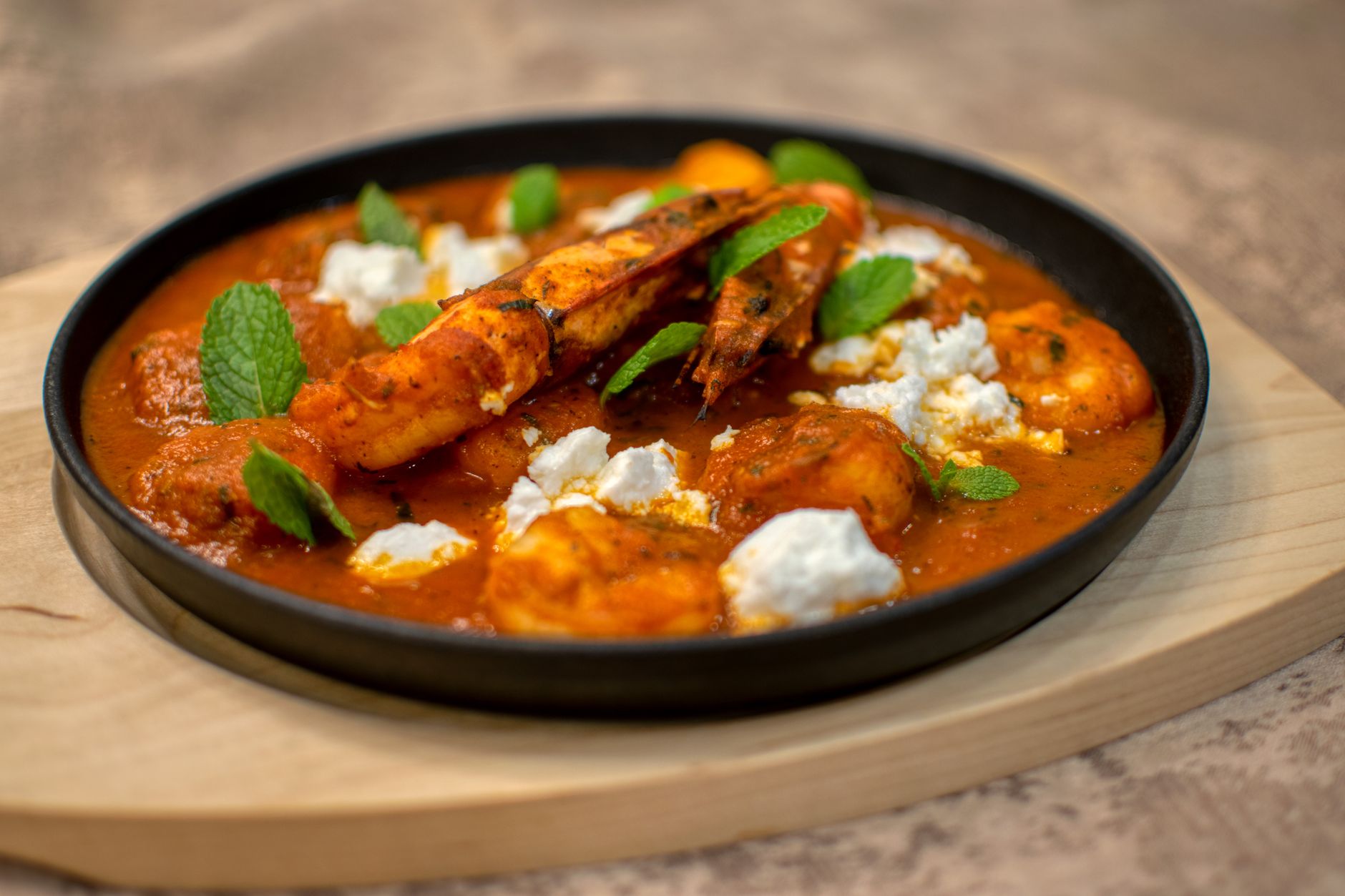
Oct 19, 2026Shrimp Saganaki with Chilli and Feta
Pan-seared shrimp finished with a warm tomato sauce, crumbled feta, and dried chilli heat—a Greek seafood dish that cooks in one skillet. 25 min · 0 saves.

other · medium
Oct 11, 2026Rendang Daging (Malaysian Beef Rendang)
A slow-braised beef stew where fresh red chillies, garlic, ginger and galangal break down into a paste, then simmer in coconut milk until the liquid reduces to a glossy, spiced glaze clinging to each piece of meat. The beef becomes tender enough to break with a spoon, and the heat builds gradually from the chillies and warm spices—cardamom, cloves, cinnamon—rather than arriving sharp and alone. 115 min · 0 saves.

other · medium
Oct 9, 2026Moqueca de Camarão com Pimenta
A Brazilian seafood stew where shrimp braise gently in coconut milk with red peppers, garlic, coriander, and fresh malagueta chillies. The heat builds slowly from the whole peppers simmered in the sauce, so you taste the shrimp's sweetness and the garlic's depth before any burn catches up. 40 min · 0 saves.
Bottle picks
Related hot sauce reviews.
Explore sauces with related ingredients, flavors, and heat levels.
Fly By Jing Sichuan Gold Review
A citrusy, tingly sauce with real peppercorn presence and enough versatility to move beyond dumplings.
Best for dumplings
Best for: Eggs and breakfast tacos
Skip if: Skip if you want a thick, smoky wing sauce more than a bright finishing bottle.
Read review
Mike's Hot Honey Review
Sweet heat done right: sticky, quick, and versatile enough to become a finishing move instead of a novelty.
Best for gifting
Best for: Pizza and fried chicken
Skip if: Skip if you want a classic vinegar-forward table sauce with almost no sweetness.
Read review
Heatonist Los Calientes Rojo Review
Heatonist Los Calientes Rojo: flavor notes, heat level, and suggested food pairings.
Best for tacos
Best for: Tacos and rice bowls
Skip if: Skip if you are chasing a novelty-level heat hit or a super-special-occasion bottle.
Read review
Go deeper
Background guides that build on this.
Keep reading
More on this subject.
If this post helped, these are the next pieces most likely to keep the thread going.

culture
Jun 11, 2026Greek Fire: The Spicy Side of Hellenic Cooking That's Finally Getting Its Due
Greek cooking has always packed more heat than the world gives it credit for. From pepper-rich island specialties to chili-spiked mainland classics, these are the fiery dishes that deserve a spot at your table.
culture
Jun 6, 2026Greek Heat: Three Spicy Regional Styles That Deserve Your Attention
From northern Greece's soul-warming paprika braises to island pepper preparations that pack both heat and tang, discover the spicy side of Greek cuisine that goes far beyond those ubiquitous red pepper flakes.

culture
May 30, 2026Greece's Hottest Kitchen Secrets: Why Spicy Greek Cooking Is Having a Moment
From fiery feta spreads that'll surprise your guests to pepper-braised meats that make you understand why Greek grandmothers always kept the good olive oil handy, this is the spicy side of Greek cooking that deserves a place at your table.
Comments
Reader discussion is shared across recipes, reviews, and editorial pieces.
Comments are read-only while member sign-in is paused.