science
Som Tam, Larb, and Nam Prik: Balancing Thai Seasonings
Som tam, larb, and nam prik use chilies alongside tart, sweet, savory, and herbal ingredients. Here's how those balances differ.

Share this
Pass it around
Send this page to a friend, copy the link, or save it to a Pinterest board.

Save for later
Pin this page
Save the image with a link back to this recipe, review, or article.
Thai cooking pairs chilies with acid, sugar, herbs and fat in ways that make heat feel balanced rather than overwhelming. This isn't about tolerance or bravado—it's about how a handful of classic dishes use contrast and technique to keep you eating, bite after bite.
Som tam can make you go back for a second serving even after the first one leaves your mouth tingling. Larb keeps drawing you in for "one more bite." A small spoonful of nam prik can make a whole plate of vegetables disappear. Here's what's happening in these dishes, ingredient by ingredient.
Som Tam: Chili and Acidity
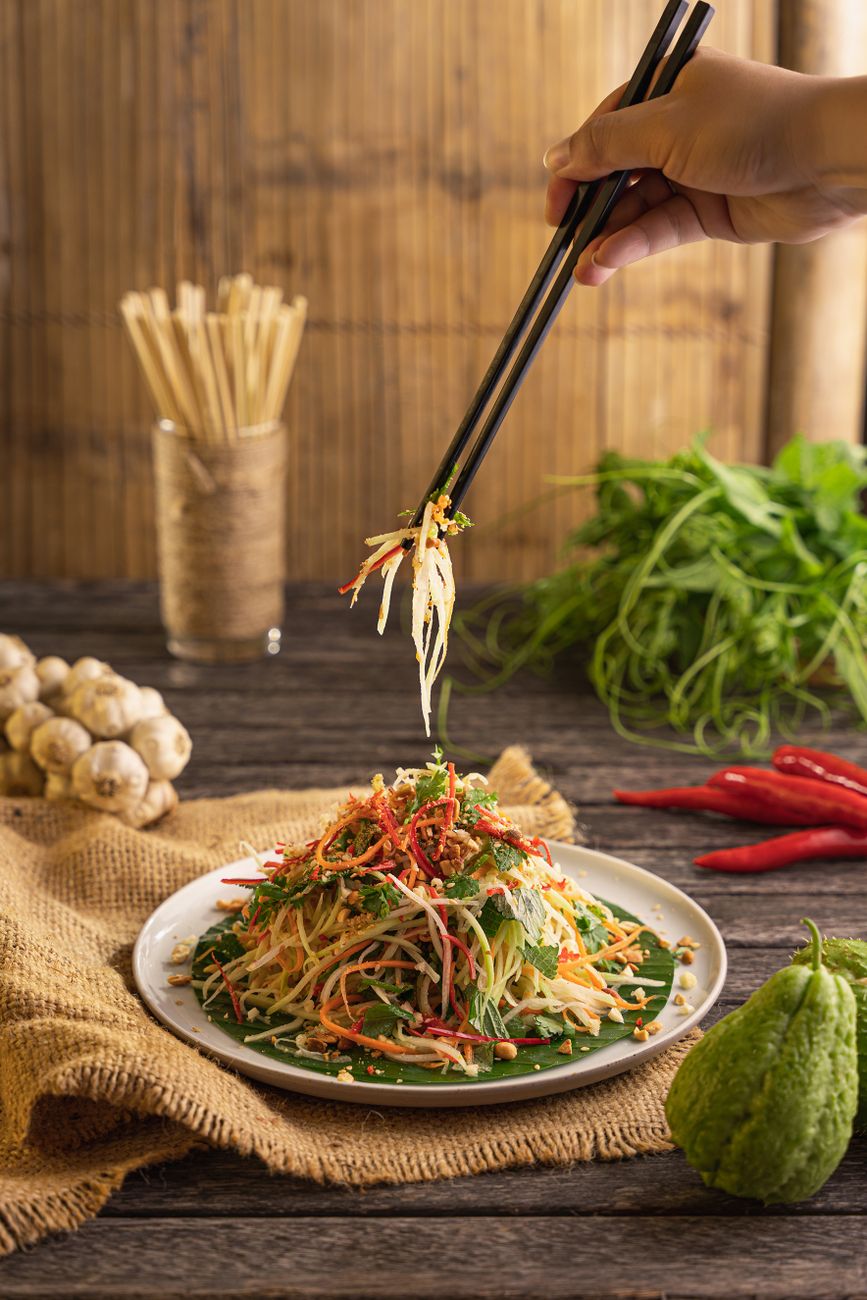
Som tam pairs shredded green papaya with a dressing built on lime juice, palm sugar, fish sauce and bird's eye chilies. The papaya's crunch and mild flavor give the sour-sweet-salty-spicy dressing something to cling to, so each bite carries all four tastes together rather than one at a time.
Lime juice adds sourness that sits right alongside the chili heat, so you taste sharp acidity and spice at the same time rather than in sequence. Palm sugar and fish sauce round out the dressing with sweetness and umami, which keeps the heat from being the only thing happening in your mouth.
That combination—cool, crunchy papaya against a dressing that's sour, sweet, salty and hot all at once—is a big part of why som tam stays craveable even when it's clearly spicy. The vegetable gives you something to chew on and cool down with, while the dressing keeps delivering new flavor with every bite.
Larb: The Art of Aromatic Heat
Larb takes a different approach to spice than som tam. Instead of leaning on acid, it uses toasted rice powder and fresh herbs to change how the heat comes across.
Toasted rice powder gives larb its signature nutty crunch and helps the dressing cling to the meat. Its roasted flavor sits alongside the chili heat rather than covering it up, adding another note to each bite.
Fresh herbs add complexity too. Mint brings a cool, bright note, cilantro adds green freshness, and sawtooth coriander contributes a sharp, almost citrusy edge. Together they keep the dish interesting bite after bite instead of tasting like straight heat.
Protein choice matters as well. Larb gai and larb moo are common orders because chicken and pork carry enough fat to help the dressing coat every piece, and their mild flavor lets the herbs and toasted rice stand out.
Nam Prik: Small Doses, Big Impact
Nam prik dips work through contrast: a small dab of chili paste, then a bite of raw or blanched vegetable, repeated through the meal. That back-and-forth keeps each bite feeling fresh instead of overwhelming.
The vegetables served alongside nam prik aren't random. Cucumber adds crunch and a cooling bite. Cabbage adds crisp texture. Thai eggplant brings a slight bitterness that plays off the chili's heat and any sweetness in the paste.
The best nam prik varieties build on this contrast:
Nam prik ong uses ground pork and tomatoes, adding protein and acidity alongside the chili heat—hearty enough to serve as a dish on its own, not just a condiment.
Nam prik kapi brings shrimp paste's deep umami into the mix, adding savoriness alongside the heat.
Nam prik ta daeng is made with dried chilies, which give a different, often longer, warmer heat than fresh chilies do.
Nam prik mamuang pairs the chili paste with green mango for a sweet-tart-hot combination.
Fresh Chilies, Dried Chilies, and Chili Paste
Thai dishes often layer more than one type of chili—bird's eye chilies for a sharp, immediate heat, dried chilies for a deeper, more lingering warmth, and chili oil for heat that builds gradually as you eat. Combining several chili types with acid, sugar and herbs is a big part of why the heat in dishes like som tam, larb and nam prik doesn't stay static from first bite to last.
These dishes aren't recent inventions dialed up for spice trends. They reflect long-standing techniques for balancing chili heat with sour, sweet, salty and aromatic elements. Restaurants that make som tam, larb and nam prik well are working with combinations Thai cooks have refined over generations, not simply turning up the heat.
That balance of heat, acid, sweetness and aromatics is what makes these dishes work, and why they're worth ordering again.
Cook with this idea
Recipes to try next.
Put these ingredients and techniques to use in your next meal.
thai · hot
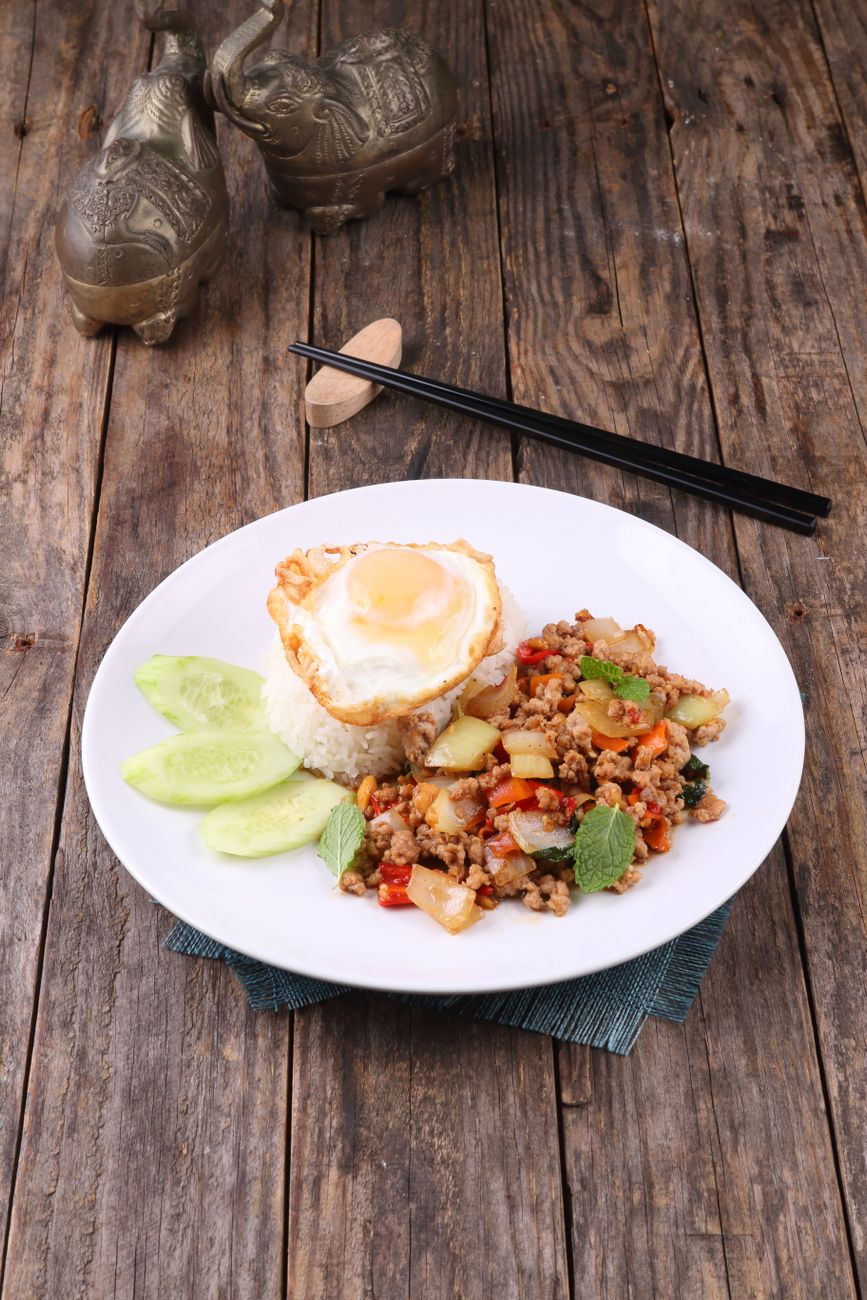
May 17, 2026Thai Chili-Garlic Stir-Fried Ground Pork (Pad Kra Pao)
Intensely aromatic ground pork stir-fried with bird's eye chilies, garlic, and holy basil in a savory-sweet sauce that brings serious heat. 18 min · 0 saves.
thai · hot
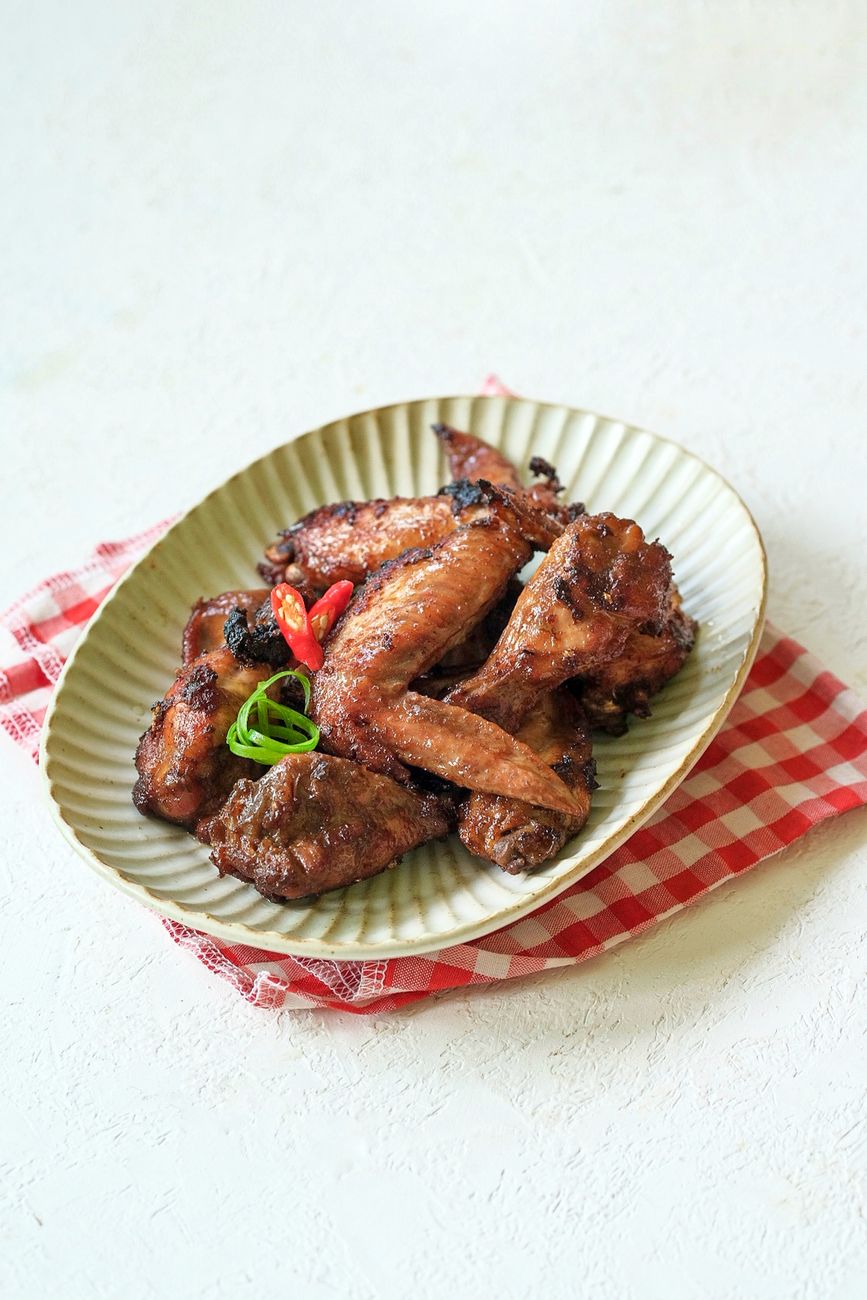
May 5, 2026Thai Hot Wings with Nam Prik Pao Glaze
Crispy chicken wings meet the complex fire of nam prik pao—Thai chili jam—in a glaze that delivers layers of smoky heat, tangy tamarind, and caramelized palm sugar. 65 min · 0 saves.

thai · hot
Mar 21, 2026Green Curry Coconut Meatballs
Tender meatballs simmered in green curry coconut sauce with basil, lime, and a slow-building chili finish. 45 min · 289 saves.
Bottle picks
Related hot sauce reviews.
Explore sauces with related ingredients, flavors, and heat levels.
Yellowbird Habanero Hot Sauce Review
A bright, carrot-forward bottle with enough heat to stay lively and enough sweetness to stay versatile.
Best for tacos
Best for: Tacos and rice bowls
Skip if: Skip if you want a classic vinegar-forward table sauce with almost no sweetness.
Read review
Queen Majesty Scotch Bonnet and Ginger Review
A bright, elegant sauce that leans on fruit, ginger, and Scotch bonnet lift instead of brute force.
Best for seafood
Best for: Seafood and fish tacos
Skip if: Skip if you want a thick, smoky wing sauce more than a bright finishing bottle.
Read review
Fly By Jing Sichuan Gold Review
A citrusy, tingly sauce with real peppercorn presence and enough versatility to move beyond dumplings.
Best for dumplings
Best for: Eggs and breakfast tacos
Skip if: Skip if you want a thick, smoky wing sauce more than a bright finishing bottle.
Read review
Go deeper
Background guides that build on this.
Keep reading
More on this subject.
If this post helped, these are the next pieces most likely to keep the thread going.
science
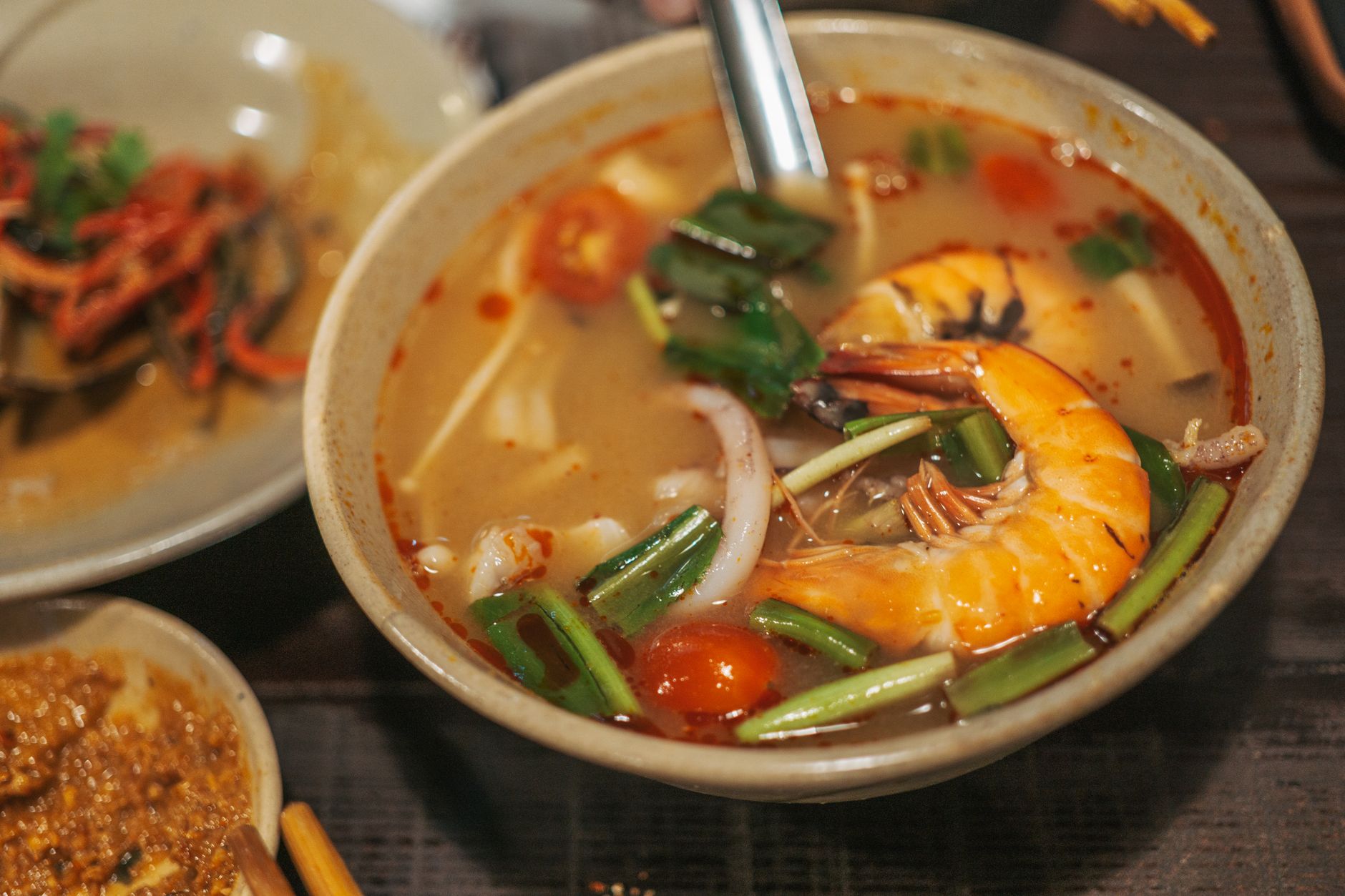
May 14, 2026Som Tam, Jungle Curry, and Tom Yum: Three Thai Dishes
Som tam, jungle curry, and tom yum combine chilies with different sour ingredients and herbs. Compare the preparation of each.
science
Apr 22, 2026Thai Salads and Dry Curries: Pounding, Toasting, and Frying
Pounding, toasting, and frying make a difference in Thai salads and dry curries. Learn which steps shape their texture and seasoning.
science
Oct 10, 2026Why Chili Oil and Numbing Heat Drive the Spiciest Chinese Dishes Right Now
Two kinds of heat drive the spicy Chinese dishes worth craving: the numbing tingle of Sichuan peppercorn and the slow burn of infused chili oil. Learn how they work together, which dried chilies matter, and how to build layered heat that enhances flavor instead of flattening it.
Comments
Reader discussion is shared across recipes, reviews, and editorial pieces.
Comments are read-only while member sign-in is paused.