
culture
The Filipino Heat Wave: Four Spicy Dish Styles Taking Over American Tables
From bicol express to spicy sisig, Filipino dishes are bringing complex heat and bold flavors that make you want seconds even while reaching for your water glass.
Share this
Pass it around
Send this page to a friend, copy the link, or save it to a Pinterest board.

Save for later
Pin this page
Save the image with a link back to this recipe, review, or article.
Filipino cooks have always known something that American spice lovers are just figuring out: real heat isn't about punishment—it's about building flavors so good you can't stop eating, even when your mouth is on fire. Four styles of spicy Filipino cooking are showing up everywhere right now, from family tables to restaurant menus, and each one teaches a different lesson about what chilies can do when they're in the right hands.
Bicol Express: When Coconut Milk Meets Its Match
Bicol Express is the dish that converts people who think they don't like spicy food. Yes, it'll light you up with bird's eye chilies, but that coconut milk creates this creamy, luxurious heat that coats everything rather than just slapping you around. The pork belly—cut into strips and cooked until it practically melts—soaks up all that spiced coconut base while adding the kind of richness that makes you forget you're supposed to be suffering.
Here's the thing about coconut milk and chilies: they don't just coexist, they actually make each other better. The cream carries the heat differently, spreading it around your mouth in this warm, enveloping way instead of that sharp sting you get from other spicy dishes. Add shrimp paste to the mix, and suddenly you've got this funky, complex depth that keeps you coming back to figure out exactly what's happening.
This is comfort food with teeth. It bridges that gap between "I want something cozy" and "I want something that'll wake me up," which explains why it's showing up on so many dinner tables lately. Unlike those hot sauces that taste like liquid regret, every spoonful of Bicol Express actually tastes like something.
Spicy Sisig: The Sizzling Plate That Steals the Show
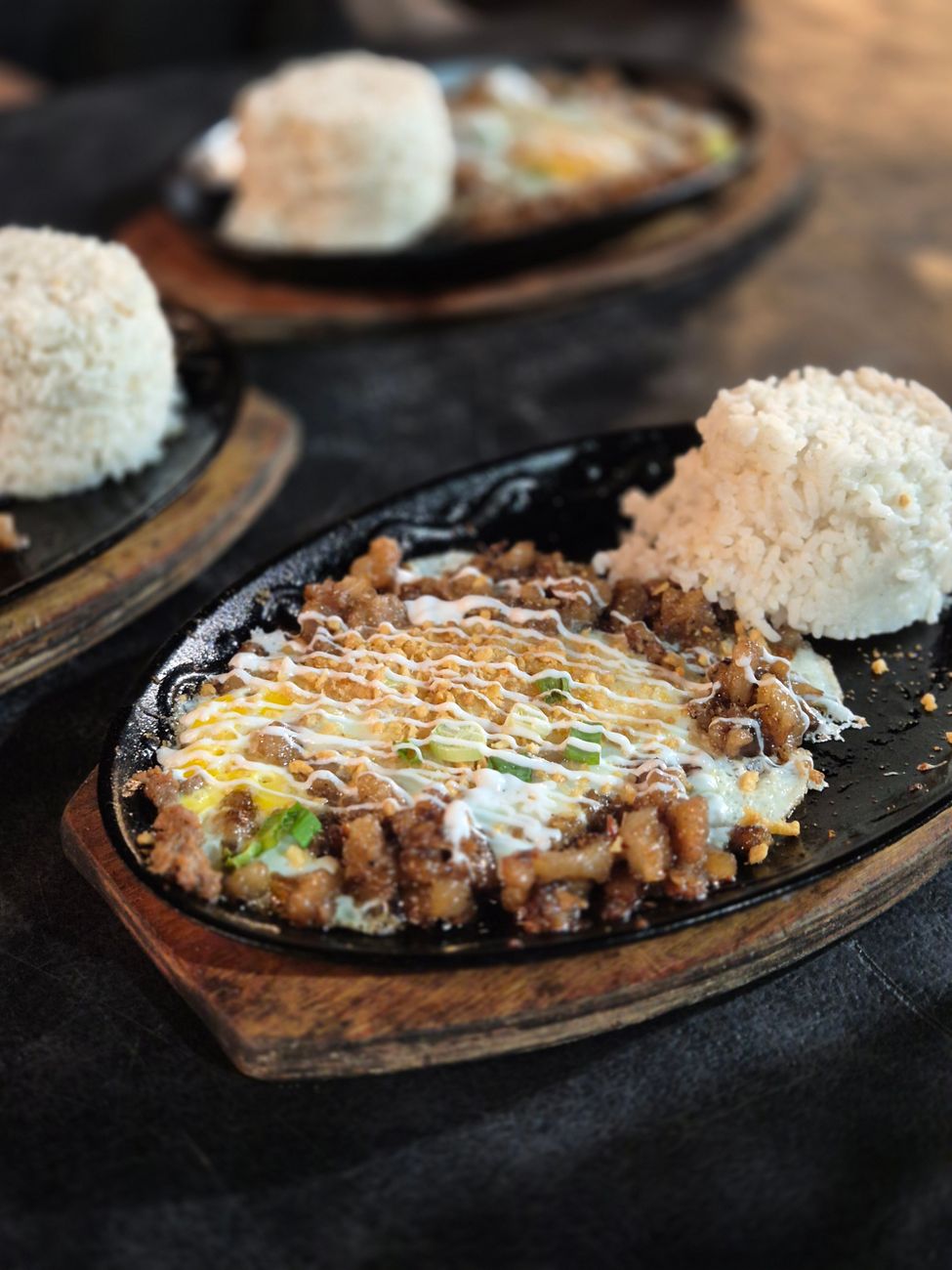
If you haven't eaten sisig off a screaming-hot cast-iron plate, you're missing one of the great theatrical experiences in spicy food. The whole thing arrives crackling and popping, with chopped pork belly (or chicken, if you prefer) getting crispy edges from that residual heat while jalapeños and bird's eye chilies keep cooking right in front of you.
The genius is in the textures. You've got tender meat, crispy bits from the hot plate, sharp raw onions, and chilies that range from mild to "why did I do this to myself," all mixed together in this beautiful chaos. Some cooks fold minced jalapeños right into the meat; others scatter sliced bird's eye chilies on top where they'll keep intensifying from the plate's heat.
Then there's the mayo situation—usually mixed with sriracha or another chili sauce and drizzled over everything. It creates these cooling pockets that let you moderate the heat bite by bite, which means you can actually enjoy the experience instead of just surviving it. Plus, eating off a sizzling plate feels like an event, the kind of thing that makes weeknight dinner feel special.
Kare-Kare with Spicy Bagoong: The Ultimate Flavor Duo
Traditional kare-kare is comfort in a bowl—that rich peanut sauce coating oxtail or vegetables in pure, mellow luxury. But pair it with spicy bagoong (fermented shrimp paste), and you've got one of the smartest heat delivery systems ever devised.
The spicy bagoong comes on the side, which means everyone gets to be their own heat boss. Maybe it's traditional bagoong spiked with Thai chilies, or a version blended with jalapeño and garlic, or even something involving habaneros for the truly brave. You add a little dab, take a bite of that cooling peanut sauce, add a little more—it's completely customizable heat.
This is how families with different spice tolerances can share the same meal without anyone suffering or feeling left out. The kids can stick to straight kare-kare, the adults can go wild with the spicy bagoong, and everyone's happy. It's brilliant, really—built-in heat control that doesn't require cooking separate dishes.
Spicy Longganisa: Breakfast Sausage with a Story
Forget everything you think you know about breakfast sausage. Filipino longganisa varies wildly by region, and the spicy versions are some of the most interesting charcuterie happening in American kitchens right now. This isn't just "regular sausage with hot sauce added"—these bring specific regional heat profiles that create completely different personalities.
Vigan longganisa might hit you with sharp, acidic heat from local chilies mixed with garlic and vinegar. Lucban longganisa could bring smokier, deeper warmth from different chili varieties. The heat integrates with palm sugar, fish sauce, and garlic rather than just burning for the sake of burning.
Served with garlic rice and a fried egg, spicy longganisa creates the kind of breakfast that sets the tone for your whole day. The fat in the sausage mellows the chilies while carrying their flavor through every bite, and that egg yolk provides instant cooling relief when things get too intense.
Why These Work (And Why Now)
These dishes succeed because they treat heat like a seasoning, not a dare. Each one comes with built-in cooling mechanisms—coconut milk, peanut sauce, mayo, egg yolk—so you can actually engage with serious spice levels without just white-knuckling your way through dinner.
They're also texturally interesting in ways that keep you engaged beyond just testing your heat tolerance. Sizzling plates, crispy edges, tender meat, smooth sauces, sharp garnishes—there's always something happening in your mouth besides just "hot."
Most importantly, these aren't gimmicks. They're spicy because that's how they're supposed to be, not because someone decided to make them "extreme" for social media. That authenticity, combined with genuine flavor complexity, explains why they're winning over people who want their spicy food to offer more than just bragging rights.
Peppers featured in this post
Cook with this idea
Recipes to try next.
Put these ingredients and techniques to use in your next meal.

other · hot
Oct 8, 2026Sambal Udang Petai
Stir-fried prawns with stink beans and fiery sambal, built on shallots, garlic and bird's eye chillis. A weeknight dinner that delivers serious heat without lengthy prep. 18 min · 0 saves.
other · hot
Sep 7, 2026Adana Kebab with Charred Chilli and Sumac
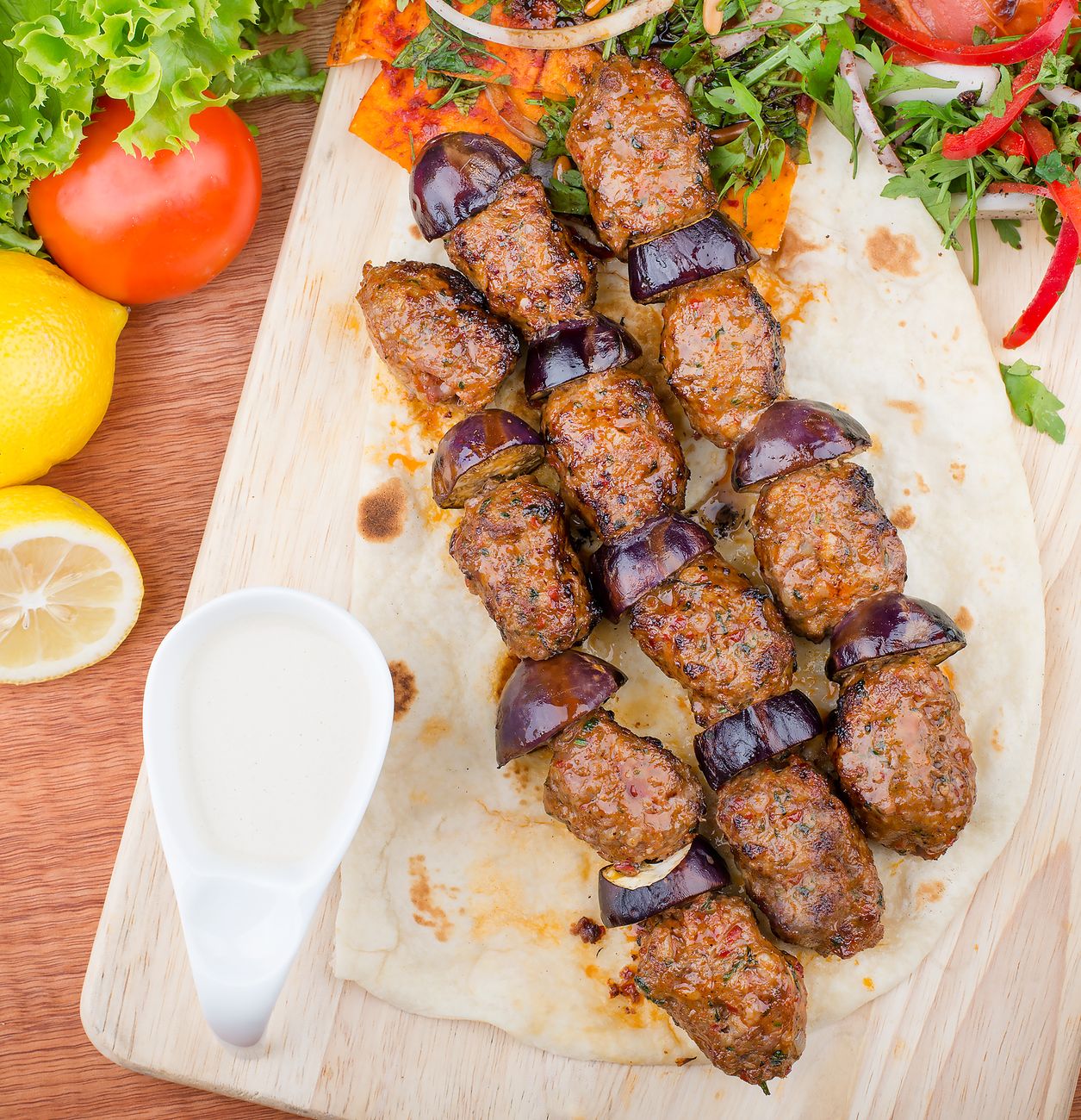
Ground lamb pressed onto flat metal skewers and grilled hard over flame until blackened and crackling on the outside, tender and juicy within. This Turkish street classic gets its serious kick from fresh red chilli ground into the meat and dried Aleppo chilli that brings warmth and fruity depth. The grill is non-negotiable—charcoal or gas flame gives you the char and smoke that makes this dish sing. 32 min · 0 saves.

other · hot
Jun 8, 2026Moqueca de Camarão with Malagueta Fire
Brazilian coconut shrimp stew spiked with fresh malagueta and habanero peppers for serious heat 35 min · 0 saves.
Bottle picks
Related hot sauce reviews.
Explore sauces with related ingredients, flavors, and heat levels.
Hot Ones Lineup Collection Review
A curated shelf-builder for tasting nights, gifts, and anyone who wants to compare heat styles side by side.
Best for gifting
Best for: Sauce subscription
Skip if: Skip if you need one exact everyday bottle instead of a discovery-style gift.
Read review
Yellowbird Habanero Hot Sauce Review
A bright, carrot-forward bottle with enough heat to stay lively and enough sweetness to stay versatile.
Best for tacos
Best for: Tacos and rice bowls
Skip if: Skip if you want a classic vinegar-forward table sauce with almost no sweetness.
Read review
Queen Majesty Scotch Bonnet and Ginger Review
A bright, elegant sauce that leans on fruit, ginger, and Scotch bonnet lift instead of brute force.
Best for seafood
Best for: Seafood and fish tacos
Skip if: Skip if you want a thick, smoky wing sauce more than a bright finishing bottle.
Read review
Go deeper
Background guides that build on this.
Keep reading
More on this subject.
If this post helped, these are the next pieces most likely to keep the thread going.
culture
Oct 12, 2026What Malaysian Spicy Dishes Are Drawing Cooks Right Now
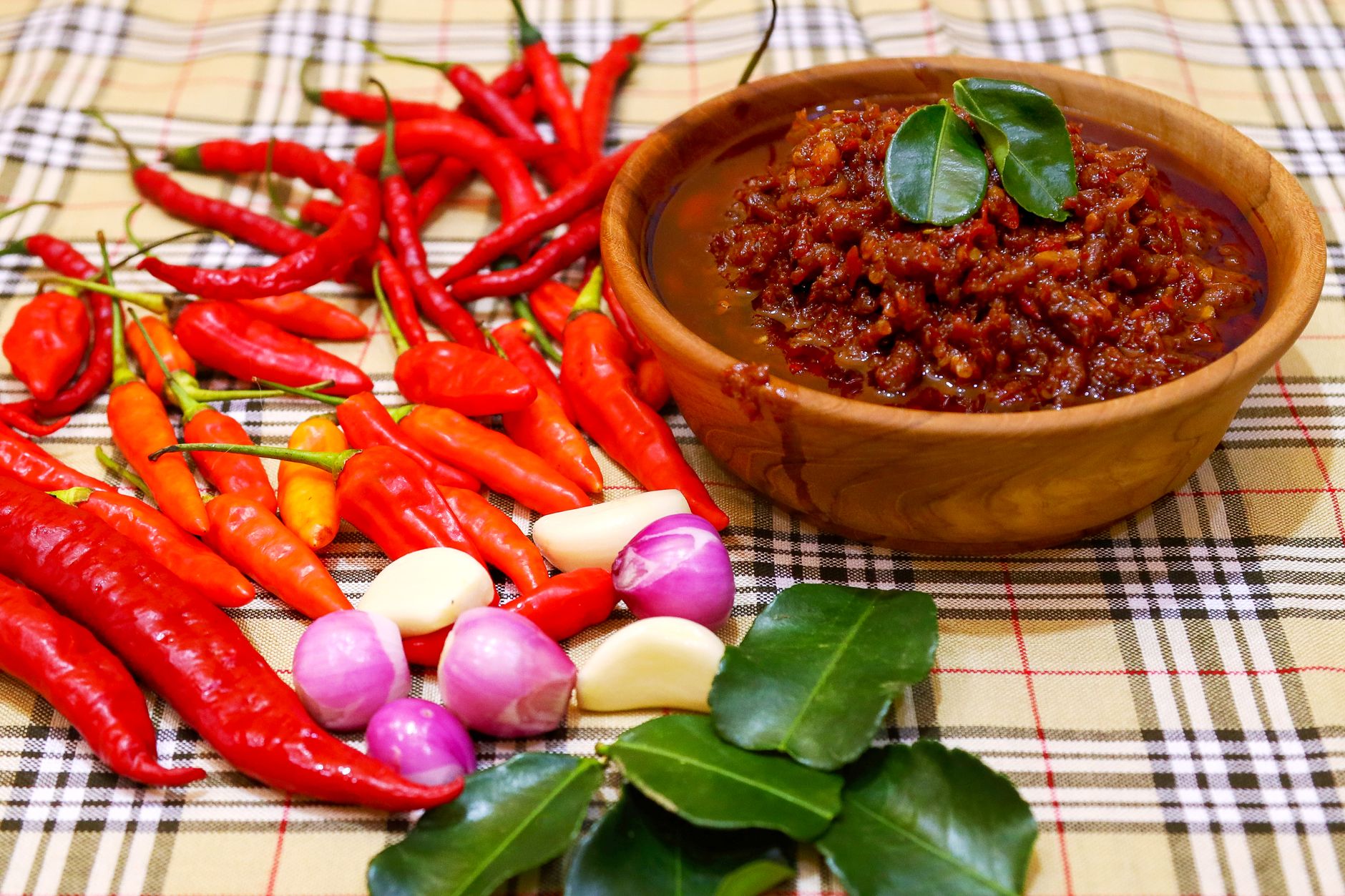
Malaysian heat builds in layers—through chile pastes, aromatics, and the way coconut milk carries spice. These dishes work because you can taste as you go, adjusting heat without losing the flavor underneath.

culture
Oct 6, 2026What Makes Malaysian Spicy Food So Craveable Right Now
Malaysian spicy cooking balances heat with coconut, tamarind, and layered spices. Laksa, sambal, and rendang solve the problem of making chili taste good—not just hot. Learn the techniques that make these dishes work and how to cook them at home.
culture
Jun 10, 2026The Heat Revolution: Why Nigerian Spicy Food Is Having Its Moment
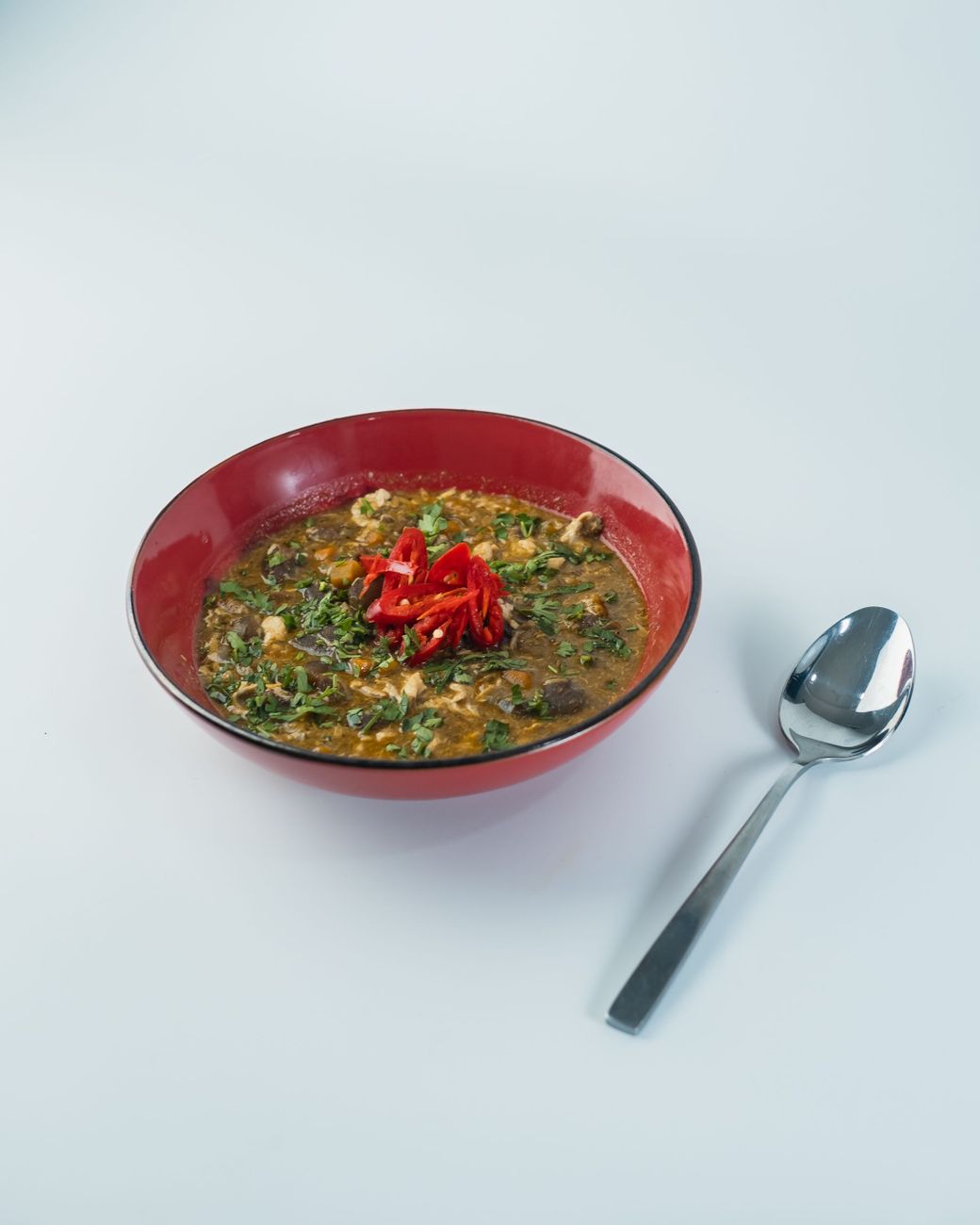
From warming pepper soups to scotch bonnet-loaded jollof, Nigerian cooks have mastered the art of building heat that actually enhances flavor—and the rest of us are finally catching on.
Comments
Reader discussion is shared across recipes, reviews, and editorial pieces.
Comments are read-only while member sign-in is paused.