
FlamingFoodies recipe
Nigerian Scotch Bonnet Spaghetti (Spaghetti Jollof)
Nigerian-spiced spaghetti cooked in smoky tomato sauce with scotch bonnet peppers, creating a pasta dish with serious West African heat and the deep, layered flavors of jollof rice brought to life in noodle form.
Spaghetti cooked Nigerian-style in spiced tomato sauce with scotch bonnet peppers, palm oil, and aromatics until the pasta absorbs the flavors and turns deep orange-red. The scotch bonnets provide serious fruity heat that builds with each bite.
Ingredients
Base Sauce
- 3 tablespoonspalm oil
- 1 largeyellow onion, diced
- 4 clovesgarlic, minced
- 1 tablespoonfresh ginger, grated
- 2-3 wholescotch bonnet peppers, pierced but kept whole
- 1 14-oz cancrushed tomatoes
- 2 tablespoonstomato paste
- 1 teaspooncurry powder
- 1 teaspoonthyme, dried
- 2 bay leavesbay leaves
- 1 teaspoonsalt
- 1/2 teaspoonwhite pepper
Pasta and Finishing
- 1 poundspaghetti
- 3-4 cupschicken stock, or beef stock
- 1 largered bell pepper, sliced
- 1 largegreen bell pepper, sliced
- 1 mediumcarrot, diced small
- 1/2 cupgreen peas, frozen
- 2 stock cubesMaggi cubes, or bouillon cubes
- 1/4 cupfresh parsley, chopped
Method
1. Build the Base Sauce Heat that palm oil in your largest, heaviest pot over medium heat until it shimmers. Toss in the diced onion and let it cook until soft and just turning golden, about 5 minutes. Add your garlic, ginger, and those whole scotch bonnet peppers, stirring until everything smells incredible, about a minute. Stir in the tomato paste and keep stirring as it darkens and deepens.
Watch for: The tomato paste should sizzle and turn a deeper red
2. Develop the Tomato Base Add crushed tomatoes, curry powder, thyme, bay leaves, salt, and white pepper to the pot. Bring to a simmer, then reduce heat to medium-low. Cook the sauce, stirring occasionally, until it thickens and mellows—you want it rich and rounded, not sharp. The scotch bonnets will gradually release their fruity heat into every corner of the sauce.
Watch for: The sauce should coat the back of a spoon and taste rounded, not sharp
3. Cook the Spaghetti in Sauce Add the raw spaghetti directly to the sauce, breaking it in half if your pot needs you to. Pour in 3 cups of stock and crumble in those Maggi cubes, stirring to distribute everything evenly. Bring to a boil, then reduce to a steady simmer. Cook, stirring frequently and adding more stock as needed, until the pasta is almost tender but still has slight bite.
Watch for: Pasta should be just shy of al dente with most liquid absorbed
Tip: Keep it saucy, not soupy—the pasta should be swimming in just enough liquid to cook properly
4. Finish with Vegetables Fold in the bell peppers, carrots, and peas during the last 3 minutes of cooking. They should cook through but keep some texture and life. Remove the scotch bonnet peppers if you want to control the heat level, or leave them in for continued spice release. Fish out the bay leaves and garnish with fresh parsley.
Watch for: Bell peppers should be tender-crisp and carrots just cooked through
Equipment
- large heavy-bottomed pot
- wooden spoon
Make ahead
- You can make the tomato base up to 2 days ahead and keep it in the fridge. Just add the pasta and finish cooking when you're ready to eat.
Storage
- Leftovers keep in the fridge for up to 4 days in a covered container. The pasta will continue soaking up sauce and might need a little thinning when you reheat.
Reheat
- Warm it gently on the stovetop with a splash of stock or water to loosen things up. The microwave works but can make the pasta a bit mushy.
Top tips
- Pierce those scotch bonnets with a knife tip rather than chopping them—this way they release their flavor and heat gradually without turning your dinner into a fire drill
- The pasta keeps absorbing liquid even after you turn off the heat, so finish with it slightly more saucy than you think you need
- Palm oil brings the authentic flavor and that gorgeous orange color, but if you can't find it, mix vegetable oil with a tablespoon of paprika for a decent stand-in
Substitutions
- Habanero peppers work beautifully in place of scotch bonnets—similar heat level with that same fruity punch
- Use vegetable stock instead of chicken stock to make it vegetarian-friendly
- Any long pasta like linguine or fettuccine will work just as well as spaghetti
Serve with
- Serve alongside sweet fried plantains and a simple salad of tomatoes and onions dressed with a little oil and salt
- Put out some Nigerian chin chin crackers or warm bread rolls for scooping up every last bit
- Keep extra scotch bonnet pepper sauce on the table for anyone who wants to turn up the heat even more
Find another recipe
Open archive →Nigerian Scotch Bonnet Spaghetti (Spaghetti Jollof)

Nigerian-spiced spaghetti cooked in smoky tomato sauce with scotch bonnet peppers, creating a pasta dish with serious West African heat and the deep, layered flavors of jollof rice brought to life in noodle form.
Prep
15 min
Cook
25 min
Active
30 min
Total
40 min
Yield
4 servings
Share this
Pass it around
Send this page to a friend, copy the link, or save it to a Pinterest board.
Save for later
Pin this page
Save the image with a link back to this recipe, review, or article.
Peppers in this recipe
Recipe notes
Before you cook
This isn't your typical pasta night. Nigerian spaghetti jollof takes the soul of West Africa's most beloved rice dish and gives it a noodle makeover that'll make you rethink everything you know about spaghetti. Instead of boiling pasta separately, you cook it right in the sauce—just like jollof rice—so every strand soaks up those deep tomato and palm oil flavors. The scotch bonnets bring a fruity heat that starts gentle and builds into something beautiful and fierce. It's comfort food that happens to pack serious flavor, the kind of dish that makes your kitchen smell like celebration and fills the table with something special.
Total time
40 min
Prep: 15 min. Cook: 25 min.
Yield
4 servings
The ingredient quantities below are for this yield.
Method
How to cook it
Use the step navigator to move around, or stay in cook mode and work top to bottom.
- 1
Step 1 of 4
Build the Base Sauce
Heat that palm oil in your largest, heaviest pot over medium heat until it shimmers. Toss in the diced onion and let it cook until soft and just turning golden, about 5 minutes. Add your garlic, ginger, and those whole scotch bonnet peppers, stirring until everything smells incredible, about a minute. Stir in the tomato paste and keep stirring as it darkens and deepens.
- 2
Step 2 of 4
Develop the Tomato Base
Add crushed tomatoes, curry powder, thyme, bay leaves, salt, and white pepper to the pot. Bring to a simmer, then reduce heat to medium-low. Cook the sauce, stirring occasionally, until it thickens and mellows—you want it rich and rounded, not sharp. The scotch bonnets will gradually release their fruity heat into every corner of the sauce.
- 3
Step 3 of 4
Cook the Spaghetti in Sauce
Add the raw spaghetti directly to the sauce, breaking it in half if your pot needs you to. Pour in 3 cups of stock and crumble in those Maggi cubes, stirring to distribute everything evenly. Bring to a boil, then reduce to a steady simmer. Cook, stirring frequently and adding more stock as needed, until the pasta is almost tender but still has slight bite.
- 4
Step 4 of 4
Finish with Vegetables
Fold in the bell peppers, carrots, and peas during the last 3 minutes of cooking. They should cook through but keep some texture and life. Remove the scotch bonnet peppers if you want to control the heat level, or leave them in for continued spice release. Fish out the bay leaves and garnish with fresh parsley.
Troubleshooting
Tips that matter
- Pierce those scotch bonnets with a knife tip rather than chopping them—this way they release their flavor and heat gradually without turning your dinner into a fire drill
- The pasta keeps absorbing liquid even after you turn off the heat, so finish with it slightly more saucy than you think you need
- Palm oil brings the authentic flavor and that gorgeous orange color, but if you can't find it, mix vegetable oil with a tablespoon of paprika for a decent stand-in
Substitutions and variations
Storage and leftovers
Plan ahead and reheat well
Make ahead
You can make the tomato base up to 2 days ahead and keep it in the fridge. Just add the pasta and finish cooking when you're ready to eat.
Storage
Leftovers keep in the fridge for up to 4 days in a covered container. The pasta will continue soaking up sauce and might need a little thinning when you reheat.
Reheat
Warm it gently on the stovetop with a splash of stock or water to loosen things up. The microwave works but can make the pasta a bit mushy.
At the table
Serving suggestions
- Serve alongside sweet fried plantains and a simple salad of tomatoes and onions dressed with a little oil and salt
- Put out some Nigerian chin chin crackers or warm bread rolls for scooping up every last bit
- Keep extra scotch bonnet pepper sauce on the table for anyone who wants to turn up the heat even more
FAQ
Common questions
How do I control the heat level?
Keep those scotch bonnets whole and just pierce them lightly for manageable heat, or fish them out entirely once the sauce has developed if you want just a whisper of warmth. Whatever you do, don't break them open unless you're ready for serious fire.
Why does my pasta get mushy?
Usually it's too much liquid or overcooking. Think of this like making risotto—the pasta should absorb most of the sauce as it cooks. Keep your heat at a steady simmer and stir frequently to prevent sticking.
Can I make this without palm oil?
You'll miss out on that distinctive nutty flavor and gorgeous orange color that makes this authentically Nigerian. Vegetable oil mixed with paprika can approximate the look, but the taste won't be quite the same.
Heat profile
Hot
The recipe is classified as hot. Check the chile quantities before you start.
Skill level
Intermediate
Check the method for steps that need to be prepared at the same time.
Total time
40 min
Prep: 15 min. Cook: 25 min.
Yield
4 servings
The ingredient quantities below are for this yield.
Cook this with
Three useful buys before you start
A sauce, a pantry ingredient, and a kitchen tool to consider for this dish.
Sauce
Los Calientes Rojo
Heatonist · Best for tacos
Use this when you want a brighter finishing hit next to the deeper flavors already built into nigerian scotch bonnet spaghetti (spaghetti jollof).
Get the sauce used herePantry
Nando's Medium Peri-Peri Sauce
Char-ready marinade
Chicken, skewers, and grilled vegetables. The bottle to grab when chicken needs acid, garlic, and real heat before it hits the grill or broiler.
Grab the pantry stapleGear
Stainless Steel Grill Basket
Summer helper
Seafood, fajitas, and charred vegetables. A cleaner route for shrimp, peppers, onions, and small vegetables that would otherwise disappear into the grates.
Use this toolPair this with
The right bottle for this recipe
These sauce picks are matched to the dish itself, not dropped in at random. Use them to finish, sharpen, or push the heat where it helps.
Los Calientes Rojo
Use this when you want a brighter finishing hit next to the deeper flavors already built into nigerian scotch bonnet spaghetti (spaghetti jollof).
Heatonist Los Calientes Rojo: flavor notes, heat level, and suggested food pairings.
Scotch Bonnet and Ginger
It brings enough heat to cut through the richer bites without flattening the rest of the dish.
A bright, elegant sauce that leans on fruit, ginger, and Scotch bonnet lift instead of brute force.
Shop the pantry
Pantry staples for this recipe
Char-ready marinade
$8-$14Nando's Medium Peri-Peri Sauce
Chicken, skewers, and grilled vegetables. The bottle to grab when chicken needs acid, garlic, and real heat before it hits the grill or broiler.
Check price on AmazonPantry heat
$10-$18Calabrian Chili Paste
Pasta, sandwiches, and finishing sauces. Fruity Italian chili paste that wakes up vodka sauce, roast chicken, and garlicky pasta nights.
Check price on AmazonWarm spice
$9-$16Berbere Spice Blend
Sheet pan dinners and stews. A smoky-spiced shortcut for lentils, roasted vegetables, stews, and fast weeknight braises.
Check price on AmazonRecommended equipment
Cooking tools
Summer helper
$18-$30Stainless Steel Grill Basket
Seafood, fajitas, and charred vegetables. A cleaner route for shrimp, peppers, onions, and small vegetables that would otherwise disappear into the grates.
Check price on AmazonDIY hot sauce
$20-$35Fermentation Jar Kit
Homemade sauce projects. A clean starter kit for building fermented hot sauces and pepper mash at home.
Check price on AmazonCook next
More recipes with similar heat
These are the next recipes most likely to fit the same mood, pantry, or heat level once this one is in your rotation.
other · hot
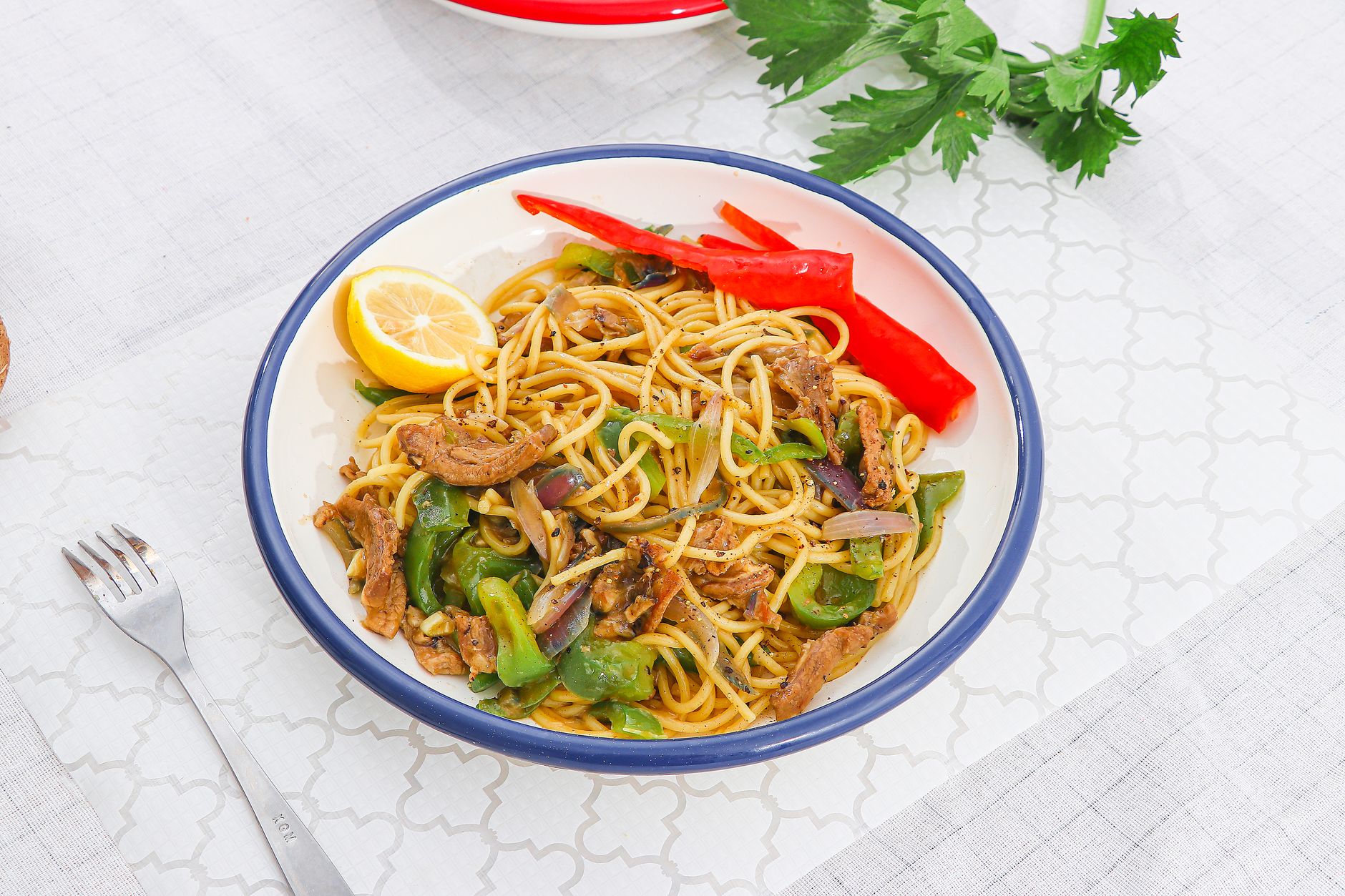
Apr 30, 2026Scotch Bonnet Spaghetti Nigerian-Style
Nigerian-spiced spaghetti with scotch bonnet peppers, curry powder, and mixed vegetables in a tomato-forward sauce that brings serious heat. 40 min · 0 saves.

other · hot
Apr 10, 2026Habanero Shrimp and Andouille Jambalaya
A one-pot Cajun jambalaya with serious heat from fresh habaneros, smoky andouille, and plump Gulf shrimp cooked in a deeply flavored rice base. 65 min · 0 saves.

west_african · reaper
Jun 2, 2026Carolina Reaper Jollof Rice Bowl with Suya-Spiced Chicken
Traditional West African jollof rice gets a fiery makeover with Carolina Reaper peppers, then topped with suya-spiced chicken and crisp vegetables for a rice bowl that brings serious heat with authentic flavor. 70 min · 0 saves.
FlamingFoodies picks
Pantry, gear, and bottle picks that fit this meal
Everyday bottle
Yellowbird Habanero Hot Sauce
Bright carrot-habanero heat with enough body to work on eggs, tacos, and roasted vegetables. Best for breakfasts, tacos, and meal prep bowls.
View on AmazonNumbing heat
Fly By Jing Sichuan Gold
A more citrusy, peppercorn-leaning sauce when you want flavor movement instead of pure capsaicin. Best for dumplings, noodles, and fried eggs.
View on AmazonFrom the blog
More about this dish
Read more about the ingredients and cuisine.
culture
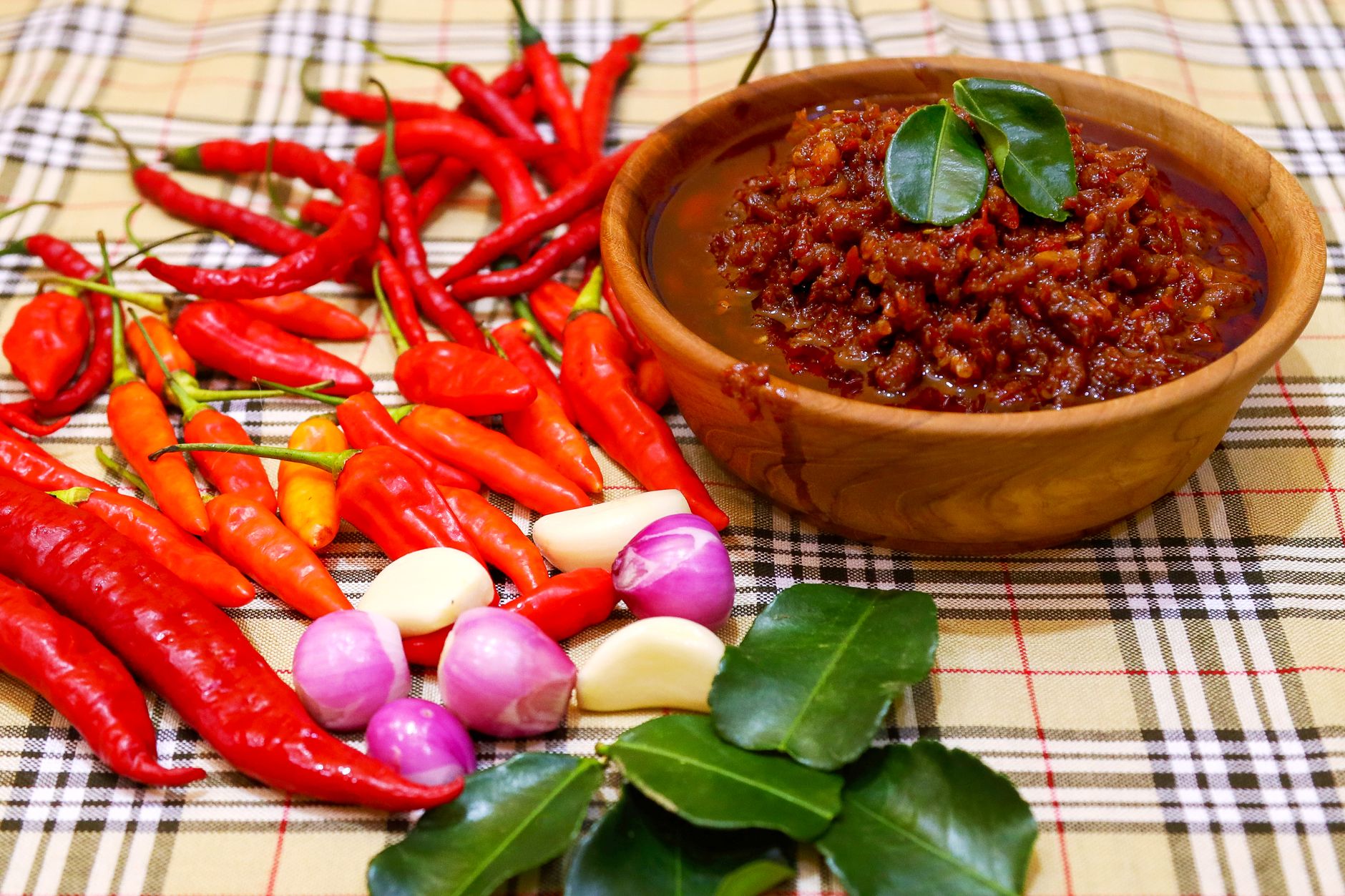
Oct 12, 2026What Malaysian Spicy Dishes Are Drawing Cooks Right Now
Malaysian heat builds in layers—through chile pastes, aromatics, and the way coconut milk carries spice. These dishes work because you can taste as you go, adjusting heat without losing the flavor underneath.

culture
Oct 6, 2026What Makes Malaysian Spicy Food So Craveable Right Now
Malaysian spicy cooking balances heat with coconut, tamarind, and layered spices. Laksa, sambal, and rendang solve the problem of making chili taste good—not just hot. Learn the techniques that make these dishes work and how to cook them at home.
Background guides
Read the guide behind the technique
Learn more about the cooking techniques used here.
Community notes
Reader discussion is shared across recipes, reviews, and editorial pieces.
Comments are read-only while member sign-in is paused.