
guides
The Spicy Indian Dishes That Define Heat Right Now
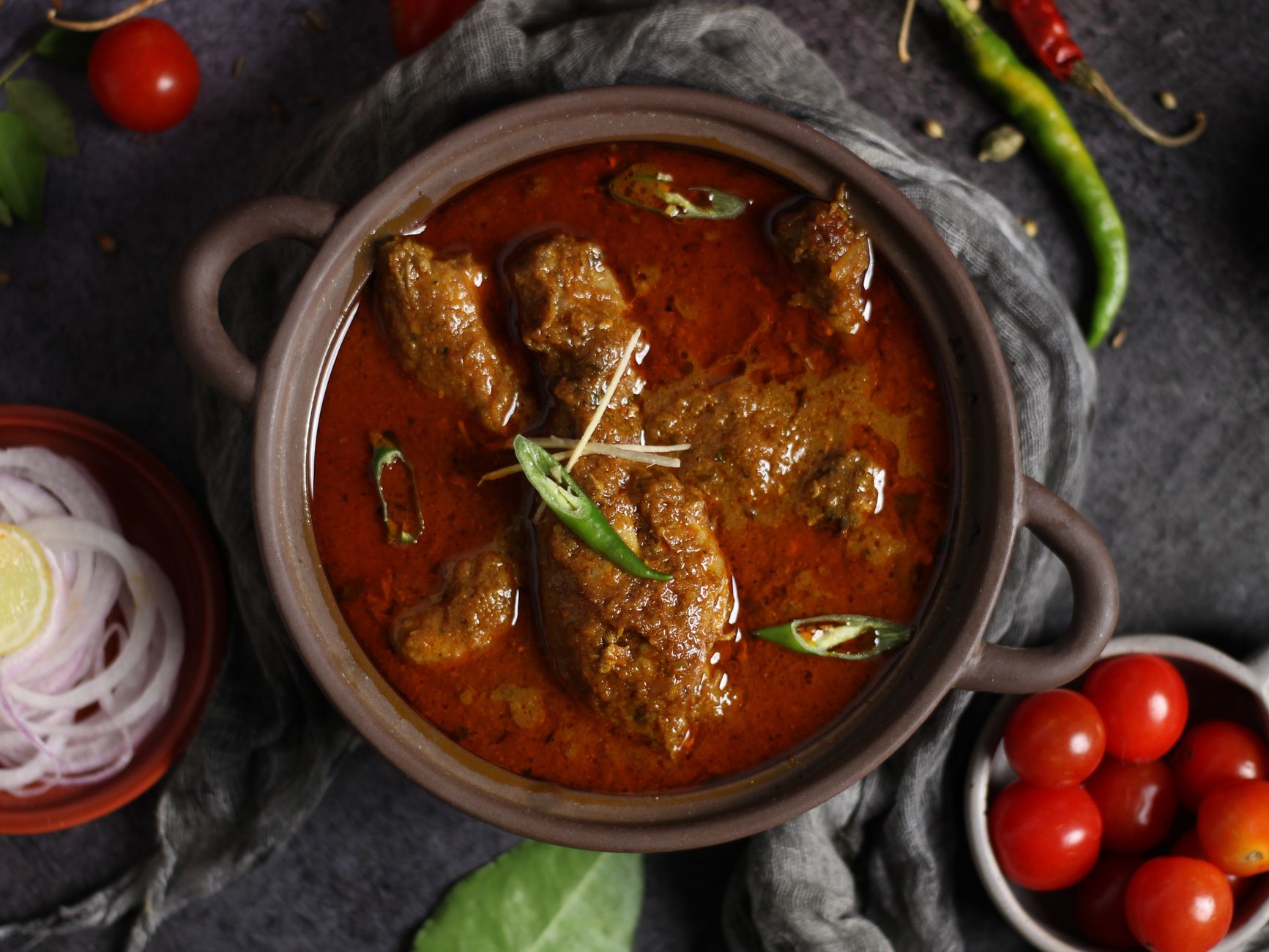
The real heat masters of Indian cooking aren't playing around with mild restaurant fare—they're creating complex, layered fire that makes you sweat, reach for rice, and absolutely crave another bite.
Share this
Pass it around
Send this page to a friend, copy the link, or save it to a Pinterest board.

Save for later
Pin this page
Save the image with a link back to this recipe, review, or article.
The Spicy Indian Dishes That Define Heat Right Now
Forget everything you think you know about "spicy Indian food." The regional dishes making waves right now aren't the toned-down restaurant standards—they're the ones that home cooks have been perfecting for generations, building heat that's both punishing and utterly compelling.
These aren't heat-for-heat's-sake dishes. They're sophisticated studies in how chilies can be the star ingredient, creating layers of fire that hit your palate in waves. The kind of food that makes you question your spice tolerance while simultaneously planning your next bite.
Kerala's Brilliant Coconut-Fire Balance
Kerala's fish curries might be the smartest approach to serious heat you'll encounter. Local cooks stack multiple chili types—dried reds for depth, fresh greens for bite, kashmiri chilies for that deep crimson color—then play them against rich coconut milk and curry leaves.
Take meen curry: each spoonful starts creamy and almost gentle, then builds to a slow burn that creeps up your throat. Here's the genius part—the coconut milk doesn't cool anything down. Instead, it creates this luxurious backdrop that makes the chili heat feel more intense, like a velvet glove delivering a punch.
Then there are those tiny bird's eye chilies (kanthari) that Kerala cooks wield like secret weapons. I've watched home cooks fry them whole in coconut oil until the kitchen fills with aromatic smoke, then stir that infused oil into finished curries. The result? Heat that arrives in waves—first from the oil, then from fresh chilies added at the end.
The technique you need to steal: coconut oil tempering. Get your oil shimmering hot, toss in mustard seeds until they dance and pop, then dried chilies and curry leaves. That fragrant, fiery oil stirred into any curry creates heat that unfolds in your mouth rather than just burning it.
Andhra Pradesh: Where Chilies Take Center Stage
Andhra cooks don't mess around. In this southeastern state, chilies aren't seasoning—they're the main event. Their Andhra chicken, especially versions spiked with ghost peppers or local guntur chilies, represents heat with zero apologies.
The approach here is beautifully direct. Gongura chicken pairs the state's beloved sour leaves with enough red chili powder to stain everything brick-red. What's brilliant is how the sourness amplifies the heat—your mouth processes both sensations together, creating this intense but somehow balanced assault on your senses.
Watch an Andhra cook make chili oil and you'll understand their philosophy. Dried chilies get toasted until they're fragrant and slightly puffed—never burned—then ground with garlic and salt into a paste that becomes the foundation for dish after dish. It's heat with actual flavor, smoky and complex instead of just brutal.
Here's their secret: that chili tempering process creates nutty, layered heat rather than simple burn. Those toasted chilies, ground fresh for each meal, deliver maximum punch with real depth. It's the difference between good heat and great heat.
Rajasthan's Desert-Forged Fire
The desert doesn't just shape Rajasthan's landscape—it created a cuisine where heat serves both flavor and preservation. Laal maas, their legendary red mutton curry, showcases mathania chilies, a variety that grows only in these harsh desert conditions.
Mathania chilies are special: serious heat with an underlying sweetness and that deep red color that doesn't quit. But laal maas goes beyond just chilies. It builds heat through layering—red chili paste, black pepper, often white pepper for different kinds of burn hitting different parts of your mouth.
The slow braising method changes everything. Mutton cooks in its own juices with the spice paste until the heat penetrates every fiber. You're not just eating spicy sauce on meat—the meat itself carries the fire.
Then there's ker sangri, where dried desert beans and berries meet green chilies and amchur (dried mango powder). The sourness makes those green chilies taste twice as hot while adding enough complexity to keep you coming back despite the punishment.
The Chilies That Matter
Knowing your chilies is like knowing your wine regions—each variety creates a different experience:
- Kashmiri chilies: All about that gorgeous red color with gentle heat
- Guntur chilies: Andhra's heavy hitters with serious fire and smoky undertones
- Byadagi chilies: Karnataka's balanced variety—good heat, great flavor
- Mathania chilies: Desert-grown with heat plus subtle sweetness
- Kanthari chilies: Kerala's tiny terrors that pack ridiculous punch
Layering Heat Like the Masters
Here's what separates real Indian heat from amateur hour: it's never just one type of burn. The best dishes layer different chili preparations to create heat that evolves as you eat.
Start with whole dried chilies toasted in oil until they smell incredible—that's your flavor foundation. Fresh green chilies added mid-cooking give you sharp, immediate bite. Chili powder stirred in near the end provides color and warmth without bitterness.
Timing is everything. Early chilies mellow and integrate. Late chilies stay sharp and present. The most craveable dishes use both approaches in the same pot.
And about coconut—it doesn't cool anything down. The fat actually spreads those chili oils more efficiently across your palate, making moderate heat feel intense while giving you creamy moments of relief. It's heat management, not heat reduction.
These regional masters understand something crucial: the best heat makes you crave more, not reach for milk. When chilies become primary ingredients rather than afterthoughts, they create dishes that are punishing and utterly compelling at the same time. That's the kind of heat worth sweating for.
Cook with this idea
Recipes to try next.
Put these ingredients and techniques to use in your next meal.
indian · hot
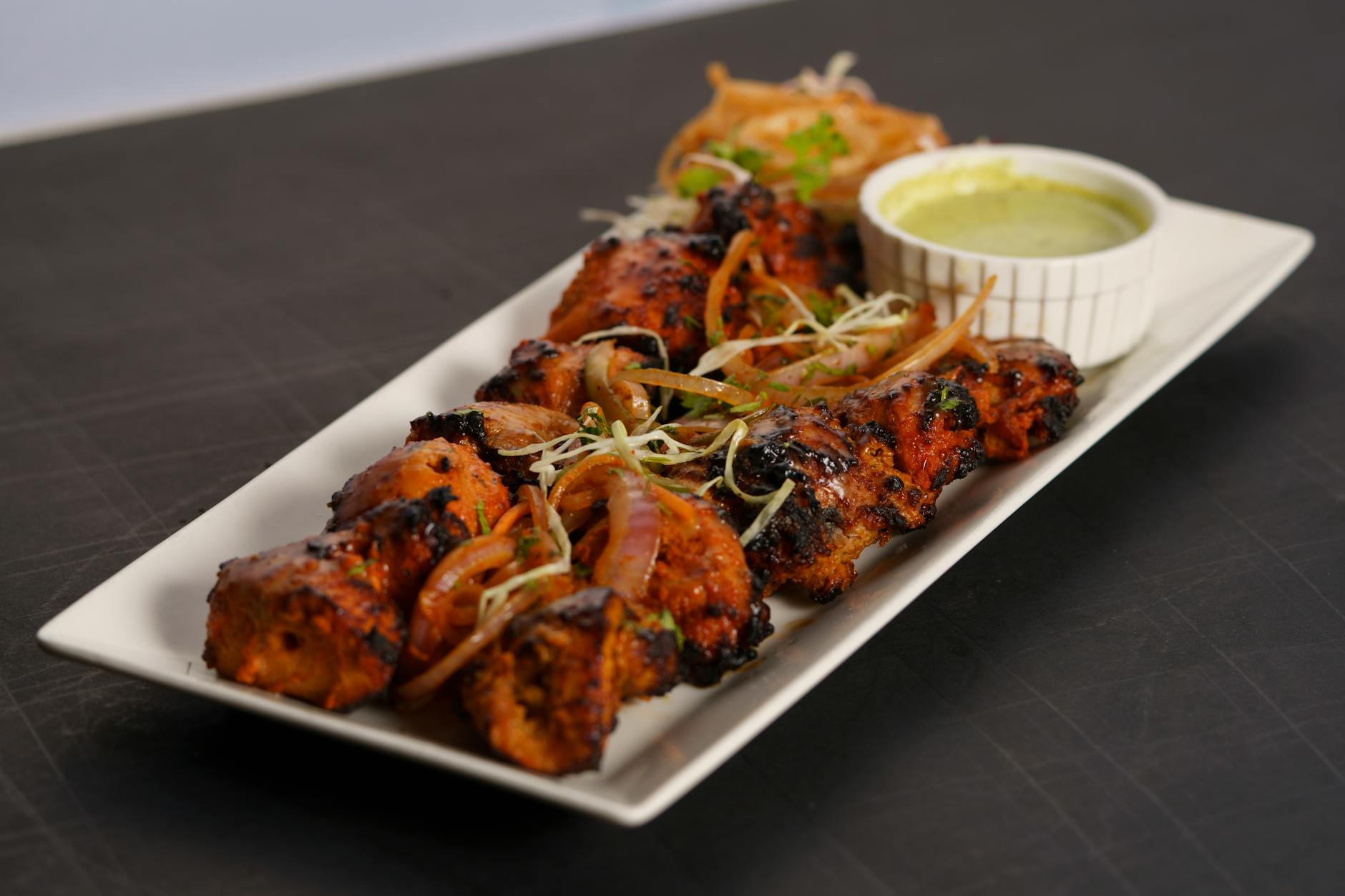
Jun 15, 2026Charred Habanero Chicken Tikka with Smoked Tomato Chutney
Tender chicken thighs get the full heat treatment in this fiery take on tikka—marinated in habanero-spiked yogurt, then charred until caramelized and served with a smoky grilled tomato chutney that doubles down on the fire. 55 min · 0 saves.
indian · hot
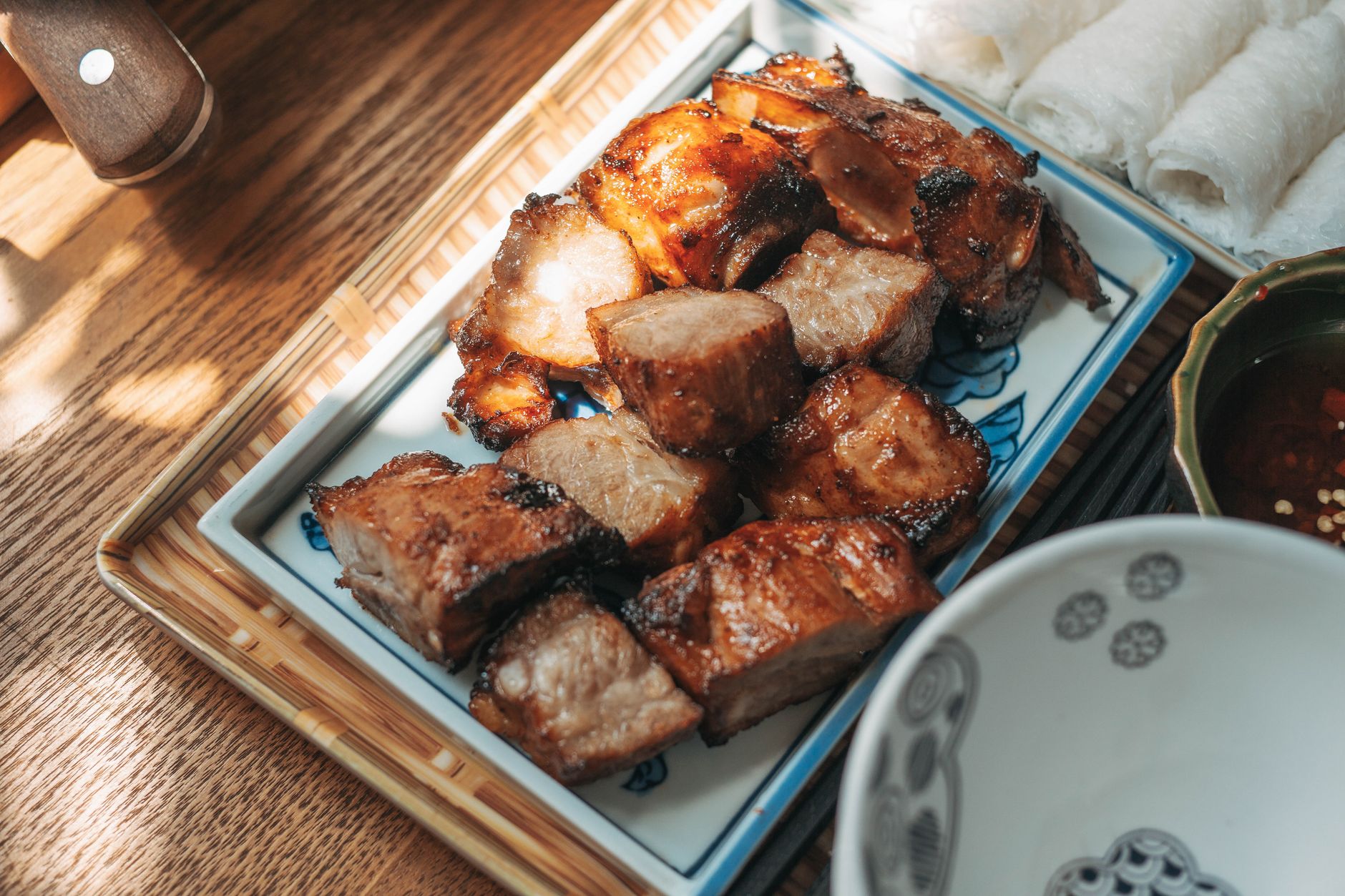
Apr 14, 2026Vindaloo with Fresh Habaneros and Tamarind
A proper Goan vindaloo that brings together fresh habaneros with traditional vinegar and tamarind for waves of heat that deepen with every spoonful. 120 min · 0 saves.

indian · inferno
Oct 7, 2026Mirchi ka Salan with Ghost Pepper and Charred Tomato
Whole ghost peppers in a deep, roasted peanut and sesame sauce with charred tomato depth. Built for cooks who know what they're after: this is extreme heat, not a mild dish dialed up. The peppers stay intact, the sauce is nutty and tangy, and the payoff is sustained, serious capsaicin. 60 min · 0 saves.
Bottle picks
Related hot sauce reviews.
Explore sauces with related ingredients, flavors, and heat levels.
Yellowbird Habanero Hot Sauce Review
A bright, carrot-forward bottle with enough heat to stay lively and enough sweetness to stay versatile.
Best for tacos
Best for: Tacos and rice bowls
Skip if: Skip if you want a classic vinegar-forward table sauce with almost no sweetness.
Read review
Fly By Jing Sichuan Gold Review
A citrusy, tingly sauce with real peppercorn presence and enough versatility to move beyond dumplings.
Best for dumplings
Best for: Eggs and breakfast tacos
Skip if: Skip if you want a thick, smoky wing sauce more than a bright finishing bottle.
Read review
Mike's Hot Honey Review
Sweet heat done right: sticky, quick, and versatile enough to become a finishing move instead of a novelty.
Best for gifting
Best for: Pizza and fried chicken
Skip if: Skip if you want a classic vinegar-forward table sauce with almost no sweetness.
Read review
Go deeper
Background guides that build on this.
Keep reading
More on this subject.
If this post helped, these are the next pieces most likely to keep the thread going.
guides
Apr 3, 2026What Makes a Hot Sauce Good on Pizza and Wings
A quick field guide to the garlic, cling, smoke, and heat curves that work best on richer, game-day food.
guides
Apr 4, 2026How to Choose a Hot Sauce for Seafood, Fish, and Ceviche
A buying guide for seafood-friendly hot sauces that work on shrimp, grilled fish, fish tacos, and ceviche without flattening the plate.
guides
Apr 3, 2026How to Pick a Hot Sauce for Eggs, Breakfast Tacos, and Hash
What actually works at breakfast: bright pours, chili crisps, and bottles you can use generously before noon.
Comments
Reader discussion is shared across recipes, reviews, and editorial pieces.
Comments are read-only while member sign-in is paused.